The infamous GR20 walking route
Featured gîtes in France
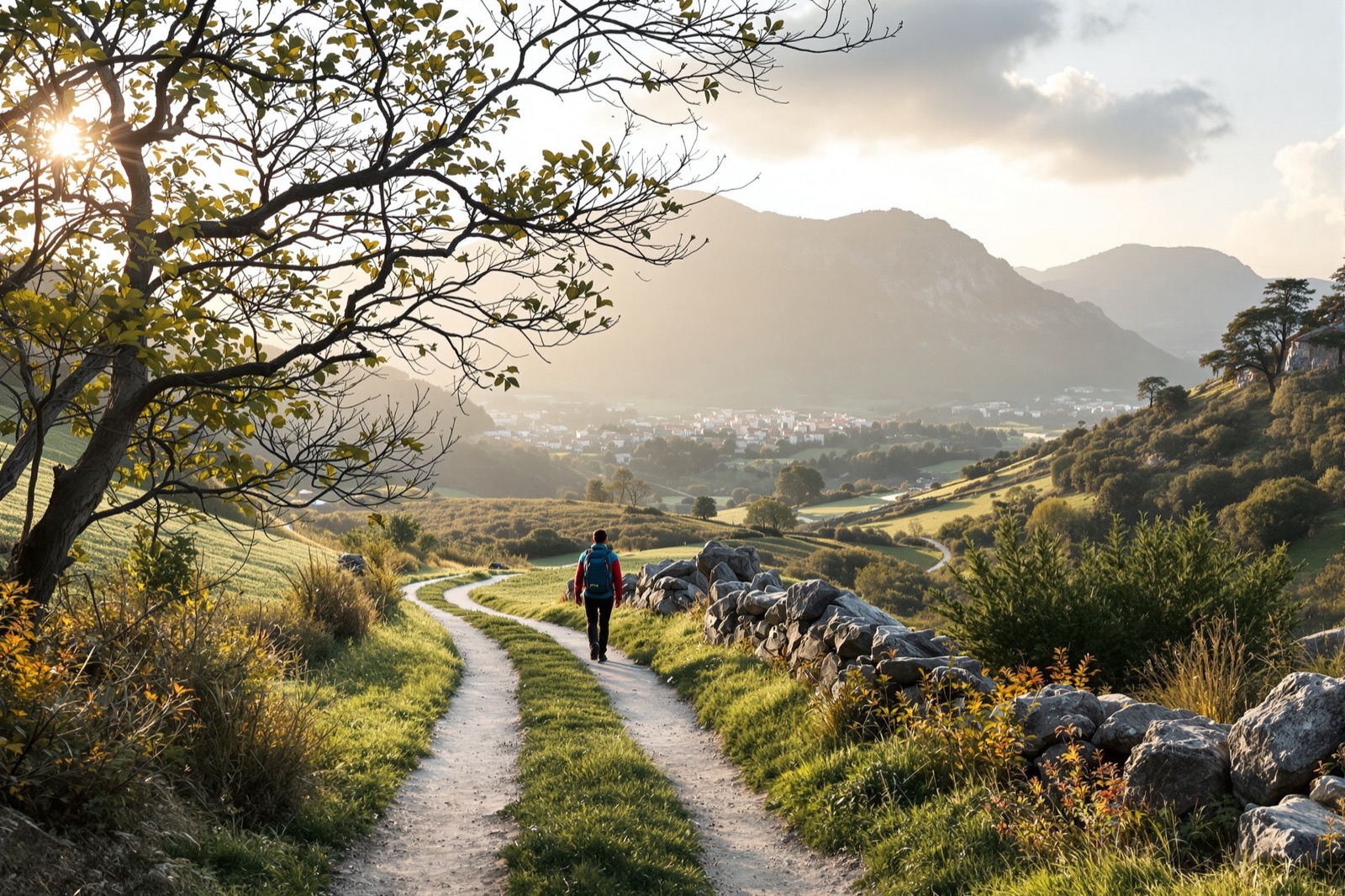
The scent of wild herbs and pine fills the thin mountain air as you scramble across granite slabs worn smooth by countless boots. Welcome to the GR20, arguably Europe's most demanding long-distance hiking trail, where Corsica reveals its wild, untamed heart through 180 kilometres of spectacular mountain terrain.
Stretching from the village of Calenzana in the northwest to Conca in the southeast, this legendary route cuts through the spine of Corsica's mountainous interior. The red and white blazes that mark your way lead through a landscape that shifts dramatically from dense forests of Corsican pine to exposed ridges where the Mediterranean glimmers far below. This isn't merely hiking—sections demand scrambling, route-finding skills, and a head for heights that would challenge a mountain goat.
The statistics tell their own story: while approximately 20,000 hikers attempt the full traverse annually, fewer than half complete the entire journey. The standard route divides into 15 stages, typically requiring 12 to 16 days for completion, though weather, fitness levels, and the infamous Corsican afternoon thunderstorms can extend this considerably. Each stage averages six to eight hours of walking, with some days involving more than 1,500 metres of vertical gain or loss.
The northern section, from Calenzana to Vizzavona, presents the trail's most technical challenges. Here you'll navigate knife-edge ridges, negotiate fixed chains and cables, and traverse boulder fields that test both nerve and navigation skills. The Cirque de la Solitude, despite recent improvements to the route, remains a heart-stopping descent that has humbled many confident hikers. Your reward? Views across granite peaks that pierce the sky like ancient cathedrals, and the profound silence found only in true wilderness.
The southern portion offers different rewards: gentler gradients through beech and pine forests, crystal-clear mountain pools perfect for washing away the day's exertions, and charming mountain villages where you can taste local specialities like wild boar charcuterie and chestnuts roasted over open fires. The contrast couldn't be starker—from the technical scrambles around Monte Cinto to the rolling hills approaching Conca, each day brings entirely new terrain.
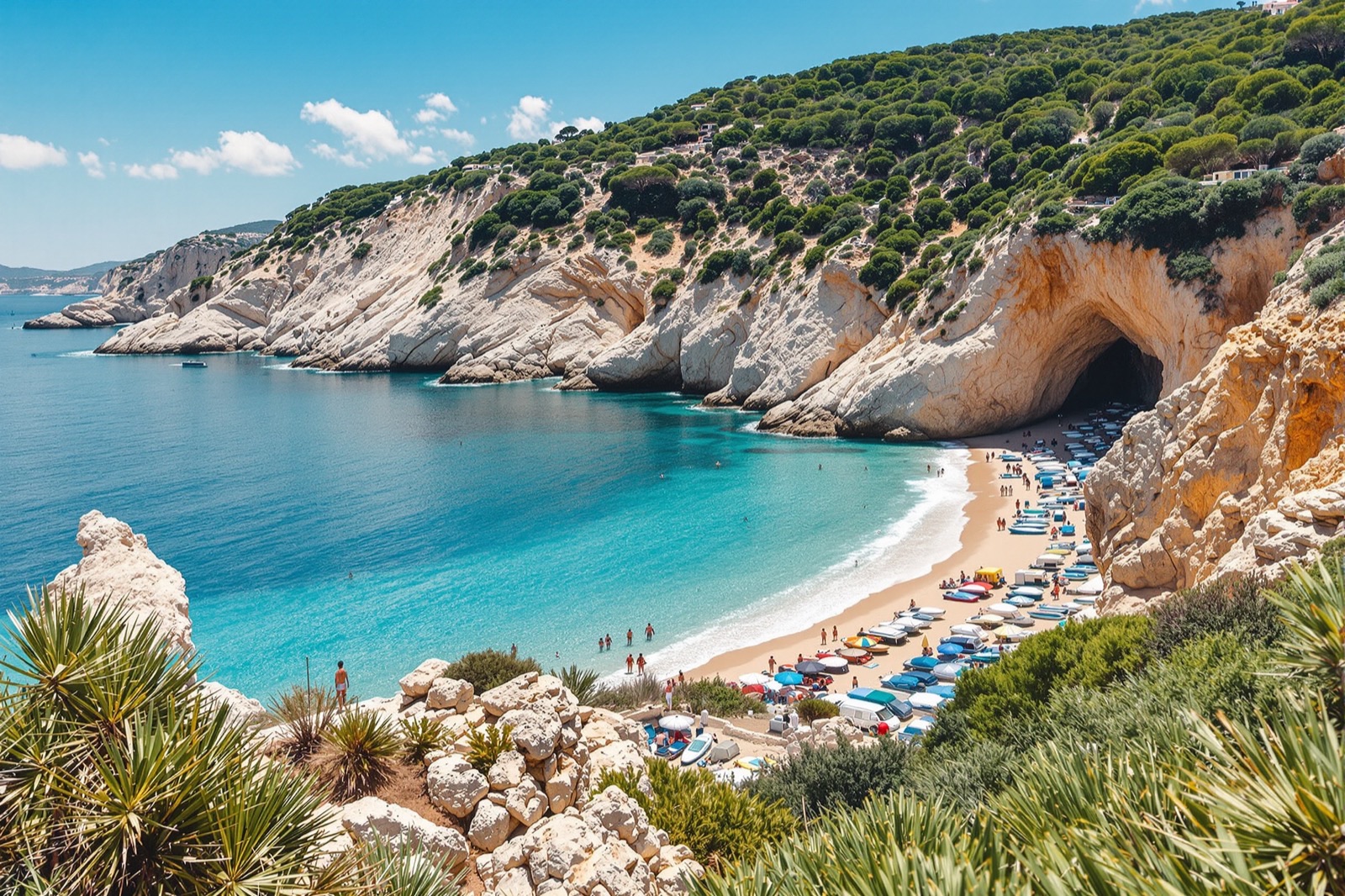
Water sources punctuate the route, from rushing torrents cascading down granite faces to serene alpine tarns that mirror the surrounding peaks. The Lac de Nino, with its grazing horses and otherworldly atmosphere, provides one of the trail's most magical camping spots. These natural pools offer more than just drinking water—a plunge into their bracingly cold depths becomes a daily ritual that washes away fatigue and reinvigorates tired muscles.
Wildlife encounters add unexpected magic to the journey. Golden eagles soar overhead, their cries echoing off canyon walls, while wild boar rootle through the undergrowth at dawn. If you're extraordinarily fortunate, you might spot a mouflon—Corsica's native wild sheep—picking their way across seemingly impossible cliff faces with casual grace.
Accommodation along the route varies from basic mountain refuges operated by the Parc Naturel Régional de Corse to wild camping spots beside mountain streams. The refuges provide hot meals, cold beer, and the camaraderie of fellow adventurers sharing tales of the day's challenges. Booking ahead during peak season (July through September) is essential, though the mountain hospitality rarely leaves genuine hikers without shelter.
Weather patterns can change with frightening speed. Morning sunshine gives way to afternoon thunderstorms that transform dry stream beds into raging torrents within minutes. Snow can fall even in summer at higher elevations, while the exposed ridges offer no shelter from Corsica's notorious winds. Proper equipment isn't optional—waterproofs, warm layers, and sturdy boots designed for technical terrain are absolute necessities.
For those not quite ready for the full commitment, numerous day walks sample the GR20's character without requiring the full expedition. The section from Calenzana to Ortu di u Piobbu offers a taste of the northern challenges, while the gentler stages around Col de Verde showcase the southern section's different charms. Many hikers tackle the route in sections over multiple visits, allowing proper preparation and reducing the physical demands.
The best approach involves months of preparation: building fitness through hill walking with a loaded pack, studying detailed maps and guidebooks, and honestly assessing your technical hiking experience. The GR20 demands respect—it has claimed lives and injured many more who underestimated its challenges. Local rescue services work overtime during peak season extracting hikers who've bitten off more than they can chew.
Essential gear includes a reliable tent (mountain refuges fill quickly), water purification tablets or filter, emergency shelter, and enough food for several days between resupply points. Many hikers arrange supply drops at villages along the route, reducing pack weight while ensuring adequate nutrition for the enormous daily energy expenditure.
The rewards, however, justify every challenging step. Sunrise from the Aiguilles de Bavella paints the surrounding peaks in shades of rose and gold that no photograph captures adequately. The silence at 2,000 metres, broken only by wind through the rocks and your own breathing, provides a meditation impossible to find in our connected world. This is hiking at its purest—just you, the mountains, and the ancient rhythm of foot following foot through some of Europe's most spectacular wilderness.
Ready to plan your French escape?
Browse our hand-picked gîtes and villas across France — book directly with owners, no booking fees.
Browse all gîtes in France