Cognac is known worldwide for the brandy that bears its name, but this handsome market town on the Charente river offers far more than distillery visits. Stone townhouses line quiet streets, the slow-moving river reflects the pale Charentais light, and the air carries a faint sweetness from the ageing cellars that riddle the old quarter. It's a place where centuries of commerce in oak barrels and copper stills have shaped the architecture and rhythm of life.
The self-catering gîtes near Cognac put you within reach of both the brandy houses and the wider Charente countryside, where Romanesque churches, ruined abbeys and gentle vineyard slopes make for unhurried exploration. It's an area that rewards slower travel — cycling the riverside paths, browsing producers' markets, taking your time.
Self-catering rentals near Cognac
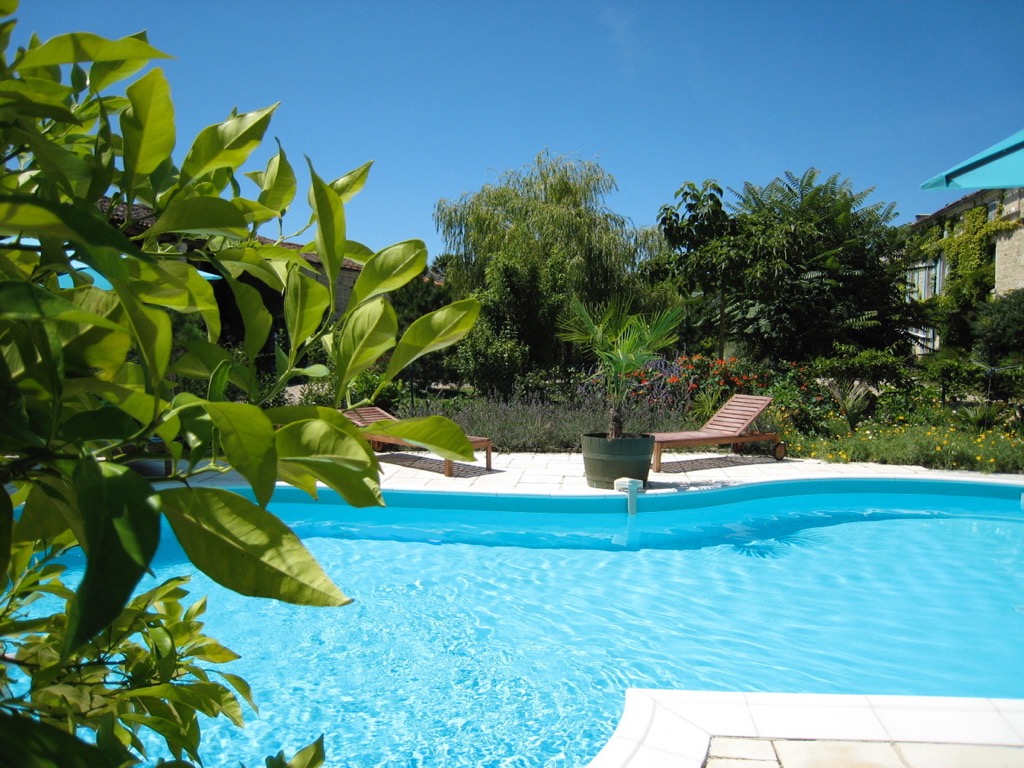
La Libellule
Charente
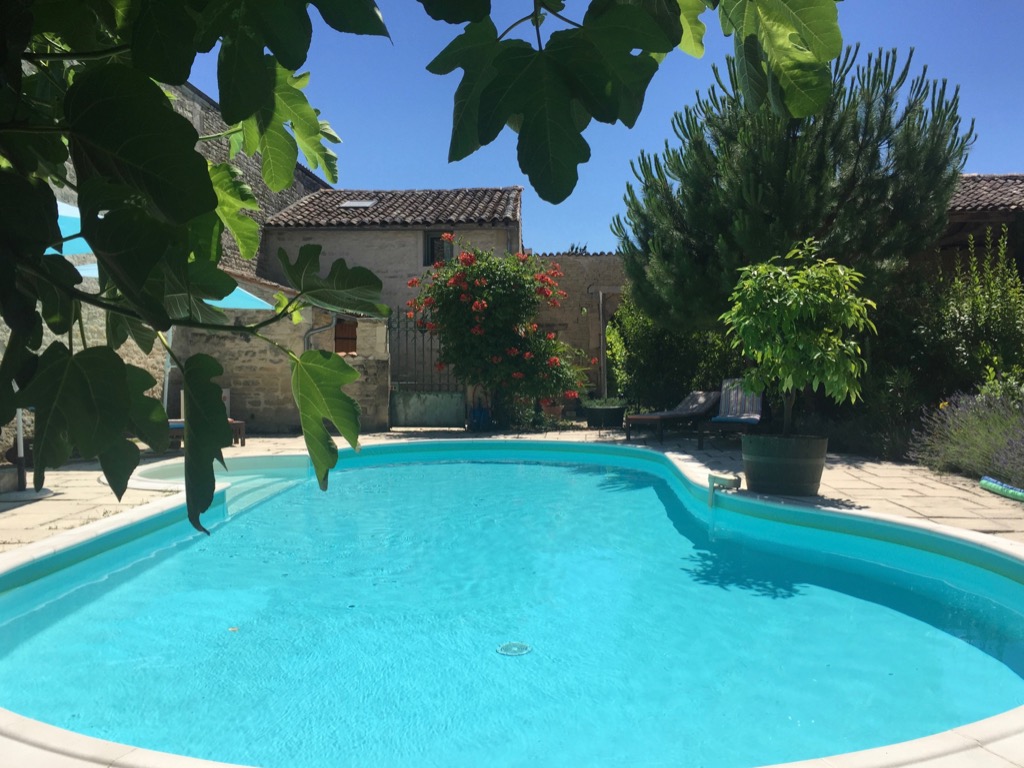
Le Figuier
Charente
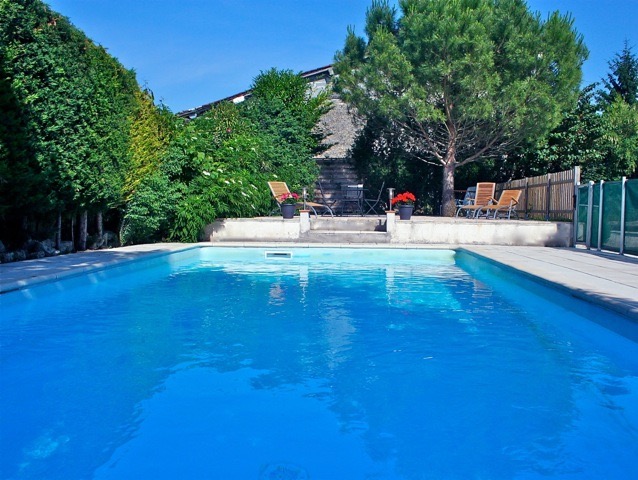
Thouvenin
Poitou-Charentes
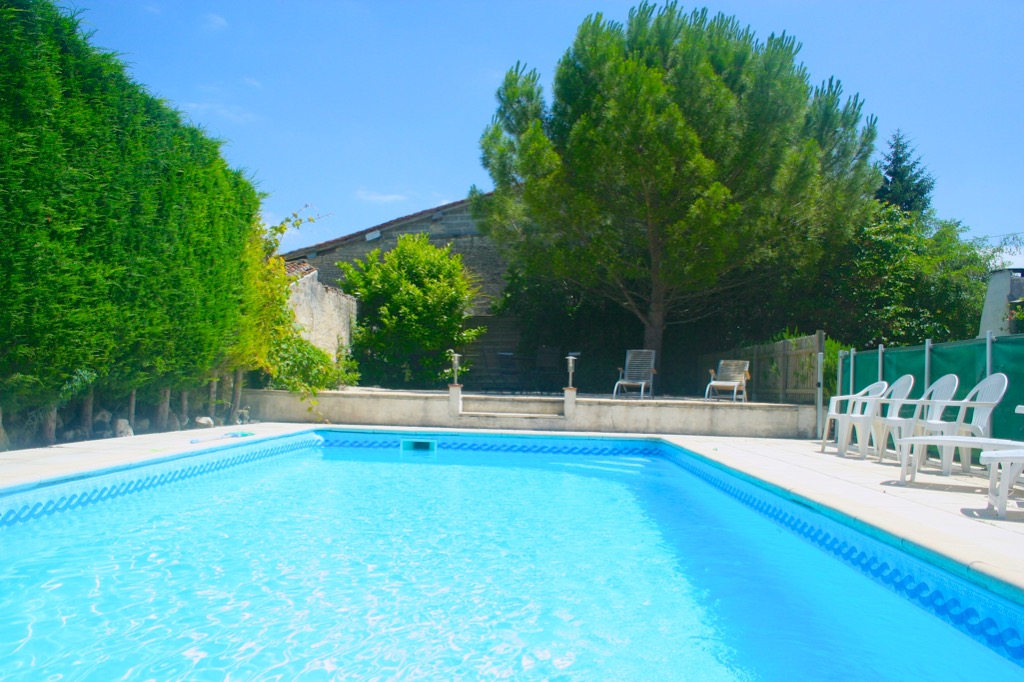
L'Ecurie
Poitou-Charentes
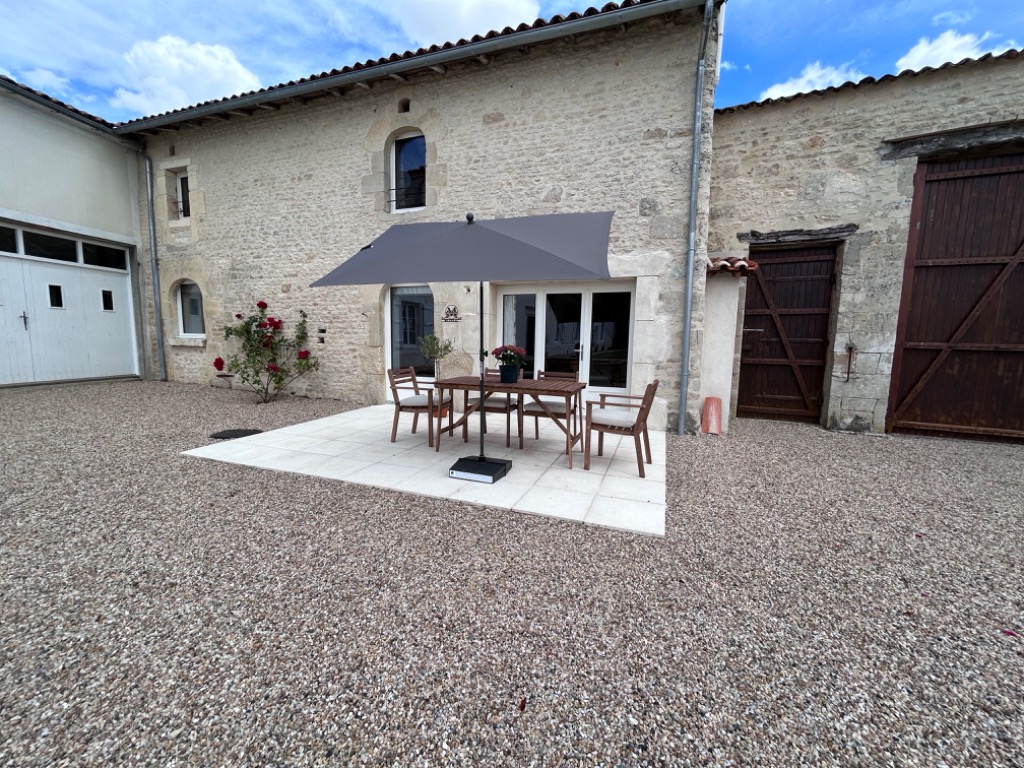
Le Verger - 4*Moineau. A beautiful family gîte with pool
Charente-Maritime
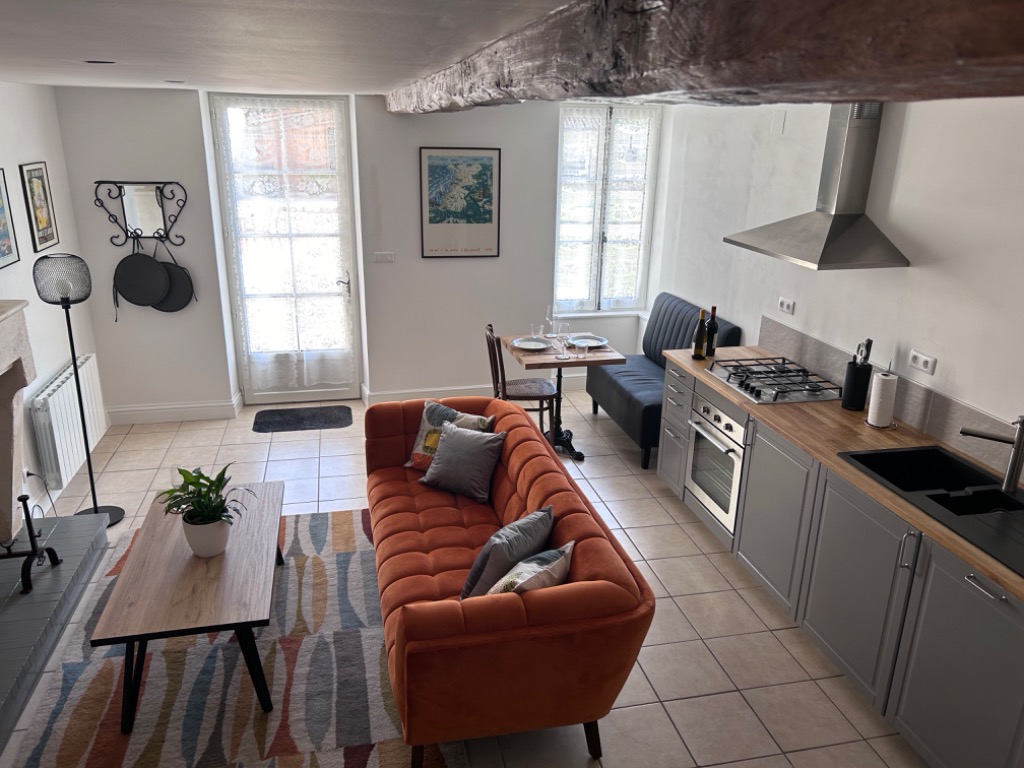
Le Verger - 4*Hirondelle. Pretty gîte with pool in Charente Maritime
Charente-Maritime
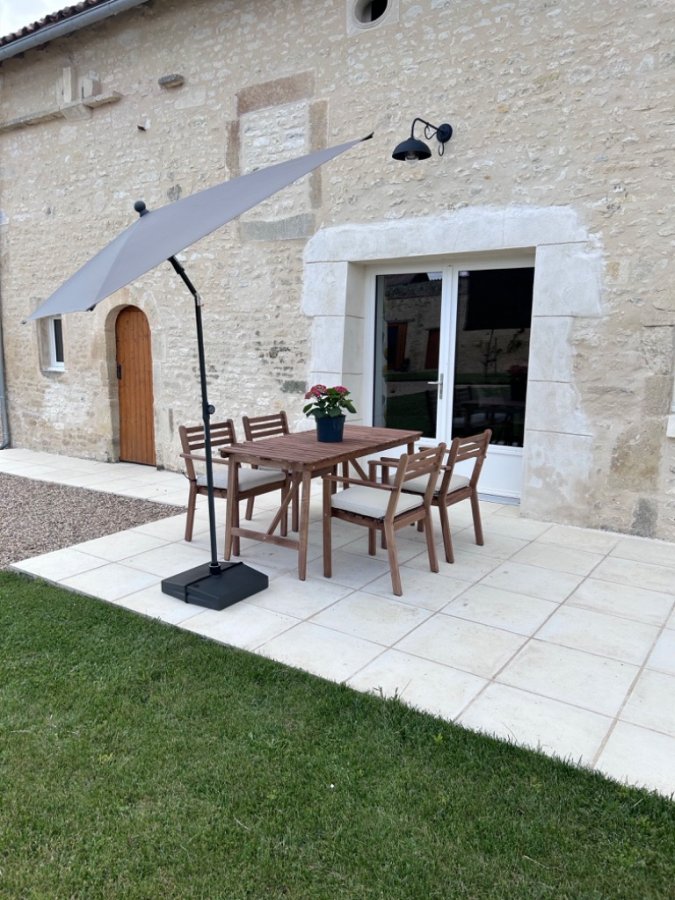
Le Verger - 4*Crecerelle. Newly refurbed gîte with pool, rural France
Charente-Maritime
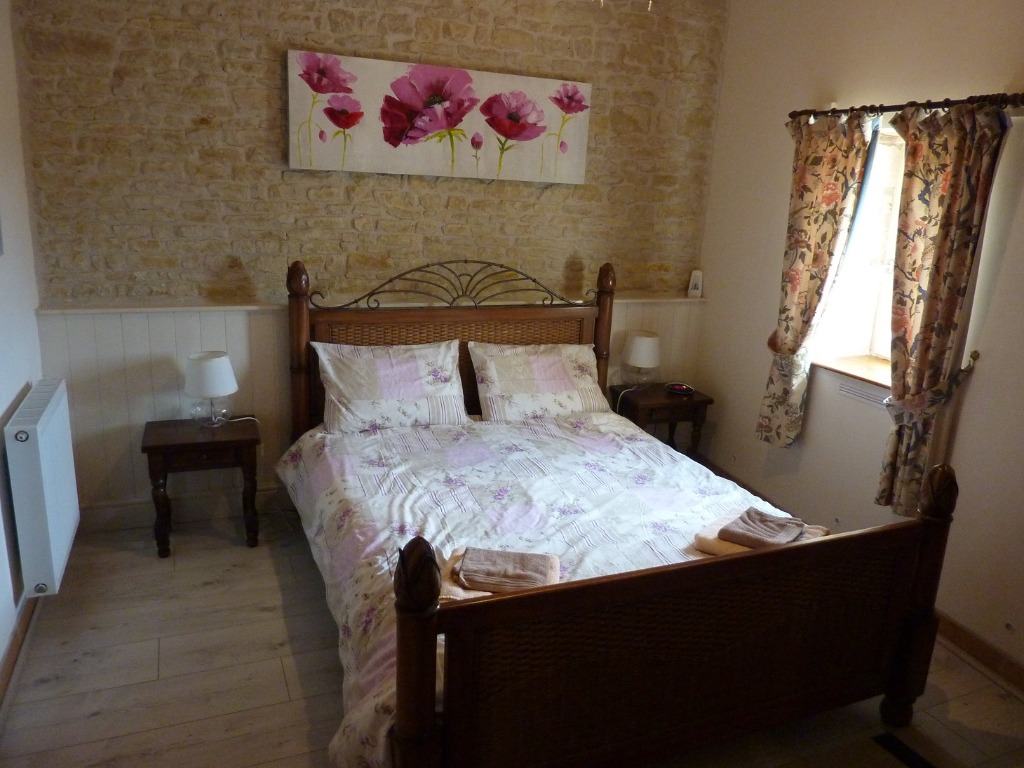
Sweet gite for 4 people with huge play area & 2 swimming pools
Charente-Maritime

Beautiful 3 stone bedroom gite with 2 heated pools & 6 seat hot tub
Charente-Maritime
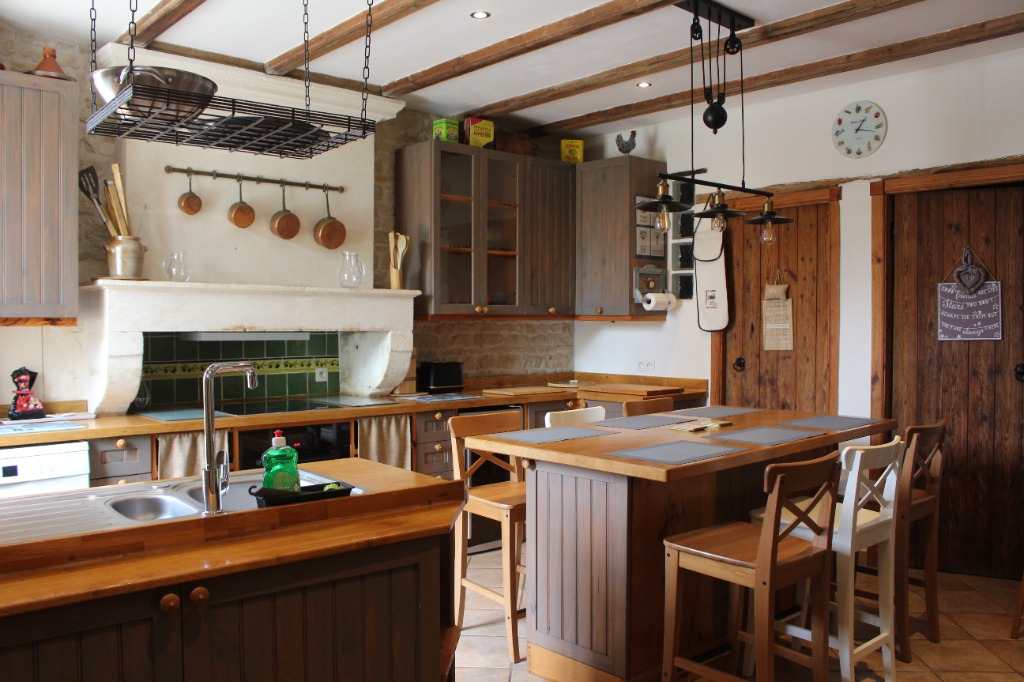
Our La Pommeraie gite with 2 gorgeous salt water pools in 6000m2
Charente-Maritime
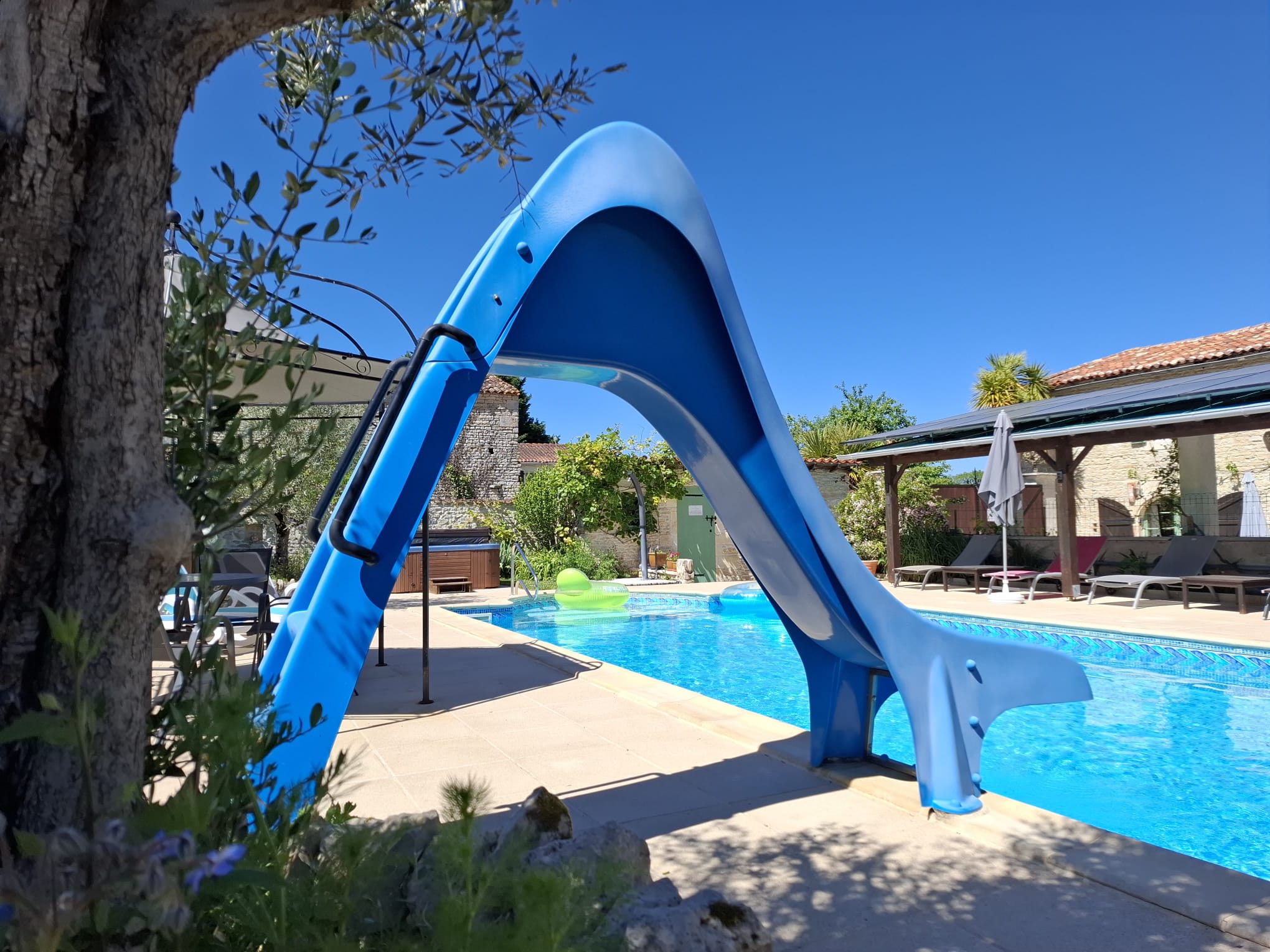
3 bedroom gite with 2 heated salt water pools & hot tub
Charente-Maritime
About Cognac
Cognac grew rich on the export trade that began in the seventeenth century, when Dutch merchants discovered that distilling the thin local wine twice produced a spirit that travelled well and improved with age. The great cognac houses — Hennessy, Rémy Martin, Martell — built their empires here, and their warehouses still dominate the riverfront. The town itself is compact and walkable, centred on the medieval château where François I was born in 1494.
The Charente river was once the artery for shipping casks to the Atlantic coast, and the flat-bottomed gabare barges that plied the route are commemorated in local museums. These days the quaysides are quiet, the stone bridges cross placid water, and the town feels prosperous without being showy. There are independent shops, a covered market, and enough authentic bistros to suggest a place that doesn't rely solely on tourist traffic.
People stay in gîtes around Cognac for the combination of access and peace — you can visit the distilleries and their manicured gardens, then retreat to rural properties where the only evening sound is birdsong. The surrounding countryside is gently rolling, covered in vines that stretch to soft horizons, punctuated by the occasional fortified church or crumbling pigeonnier.
Things to do near Cognac
The Royal Castle of Cognac is the obvious starting point — a riverside fortress where you can tour the apartments and learn about the young king who would later lose most of his army in Italy. The building now houses part of the Baron Otard cognac operation, so history and commerce overlap neatly.
Hennessy offers polished guided tours through its cellars and blending rooms, ending with a tasting that demonstrates why this is the world's largest cognac producer. Rémy Martin Cognac runs similar visits, often quieter and with more emphasis on the estate vineyards that supply their VS and VSOP grades. Both require advance booking in summer.
For a break from brandy, the Abbaye de Fontdouce is a twenty-minute drive southeast — a twelfth-century Benedictine ruin set in woodland, with intact chapterhouse and cloister arches. Nearby, the Adventure Park Valley Fontdouce offers treetop courses and zip lines if you're travelling with energetic children. The Public Garden in Cognac itself is a formal riverside park with clipped hedges and shaded benches, useful for a quiet hour between visits.
Further afield, the Abbey to the Ladies of Saintes and the Basilica of Saint Eutrope in Saintes are both fine Romanesque monuments, the latter a UNESCO pilgrimage site with an atmospheric eleventh-century crypt.
Typical climate
Typical weather
Monthly averagesOn the map
Food & drink
Cognac is obviously about the brandy, but the Charente also produces Pineau des Charentes — a fortified aperitif made by blending grape must with young cognac — which you'll find on every café terrace. The region's oysters come up from Marennes-Oléron on the coast, and are eaten with sausages grilled over vine cuttings, a combination that sounds odd but works.
Charentais melons appear in late summer, and the local butter — made from cattle grazed on salt marshes near Rochefort — has protected status. Markets in Cognac run several mornings a week, with decent cheese stalls and producers selling walnut oil and rillettes. For provisions, the E.Leclerc hypermarkets in Cognac, Pons and Saintes are all serviceable, though the town's independent grocers and wine merchants offer more character.
Getting there
La Rochelle airport is 86 kilometres northwest, with Ryanair and easyJet flights from the UK landing year-round. Bordeaux–Mérignac airport, 100 kilometres south, has a wider choice of routes and better car hire availability. Both involve straightforward motorway drives to Cognac.
If you're bringing the car, Saint-Malo is 353 kilometres north — an overnight ferry from Portsmouth with Brittany Ferries, then a full day's drive via Nantes and Niort. From Paris Gare du Nord — reachable via Eurostar in two and a quarter hours — it's another 408 kilometres southwest by road, or you can take the TGV to Angoulême and hire a car for the final 45 kilometres.
Ready to find your gîte near Cognac?
11 self-catering rentals handpicked from independent owners.