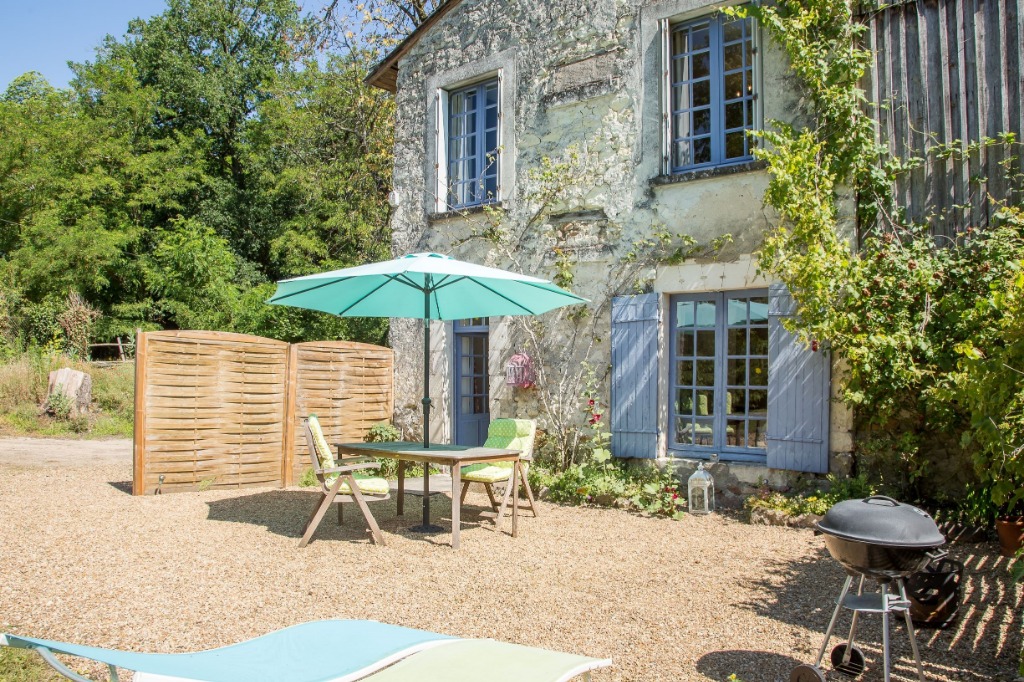
Featured: Moulin de Rabion – Romantic Loire Valley Gîte for Two
The Loire Valley stretches along France's longest river, a landscape of vineyards, market towns and Renaissance architecture two to three hours south of the Channel ports. This is château country: the French kings and their courtiers built hunting lodges and pleasure palaces here from the 15th century onwards, and dozens survive in varying states of splendour. The gîtes nearby put you within striking distance of the finest examples, as well as riverside cycling routes, medieval abbeys and a handful of family attractions that break up days spent touring historic interiors.
Self-catering here suits groups who want a base from which to explore at their own pace. The valley is broad and gentle, with vines on the slopes and sunflowers in the fields. Distances between sights are manageable by car, and the main towns — Tours, Saumur, Amboise — have proper supermarkets, weekly markets and enough restaurants to fill an evening if you don't feel like cooking.
Self-catering rentals in the Loire Valley
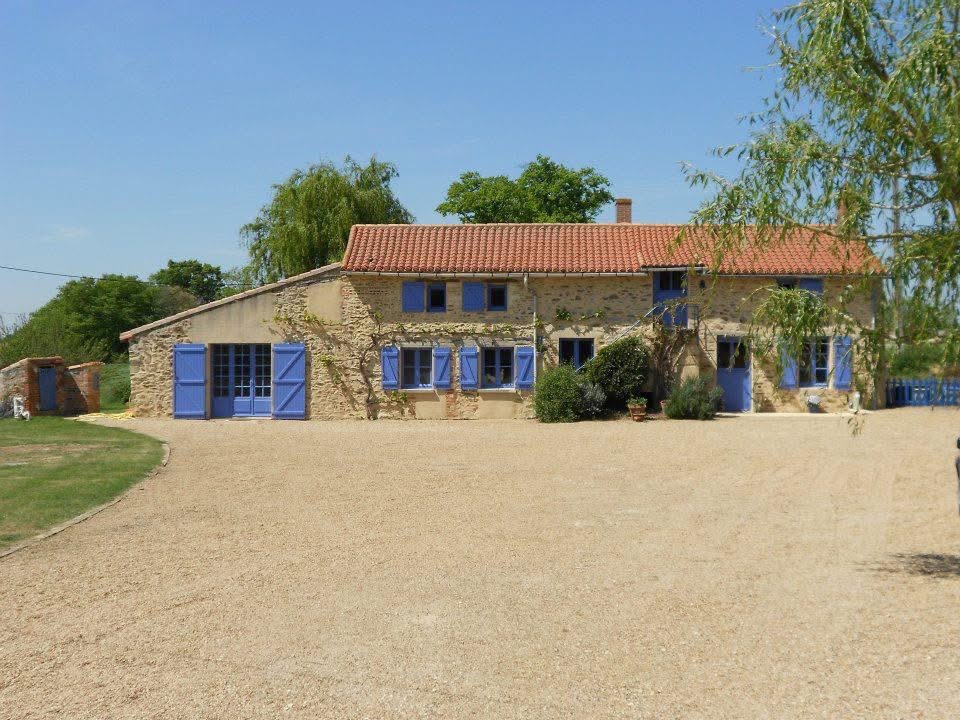
Le Haut Coudray Farmhouse with Private Pool
Maine-et-Loire
Moulin de Rabion – Romantic Loire Valley Gîte for Two
Maine-et-Loire
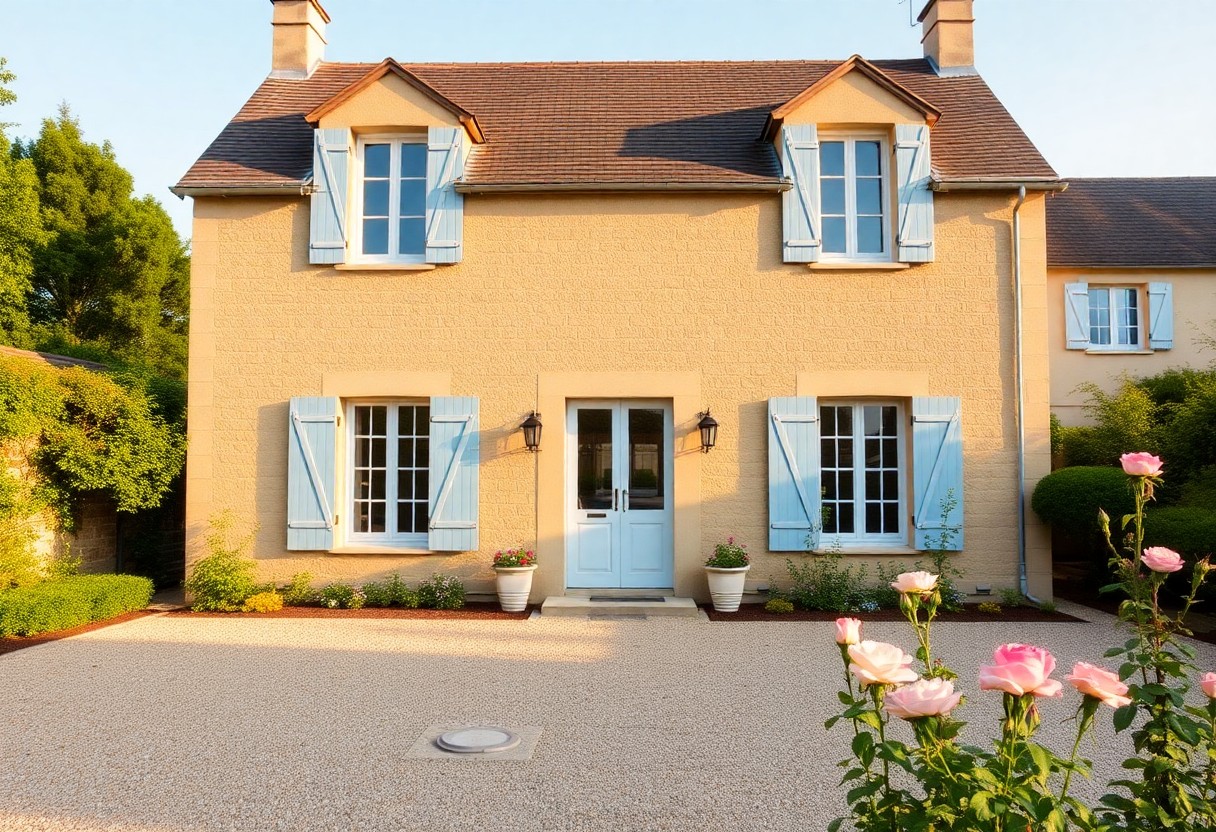
Le Petit Château
Centre
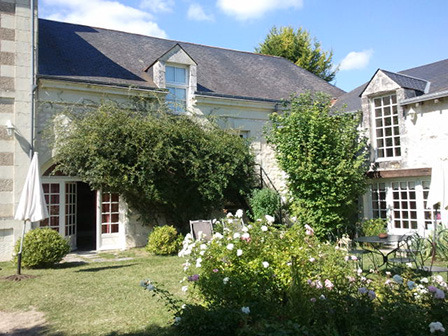
La Closerie du Clos de Ligré
Centre
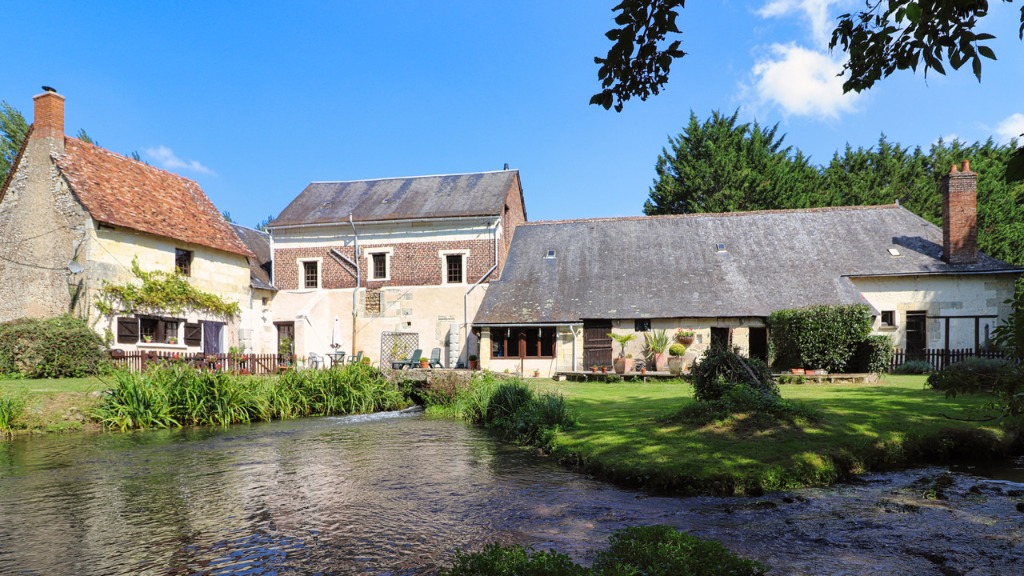
Le Moulin De St Blaise
Sarthe
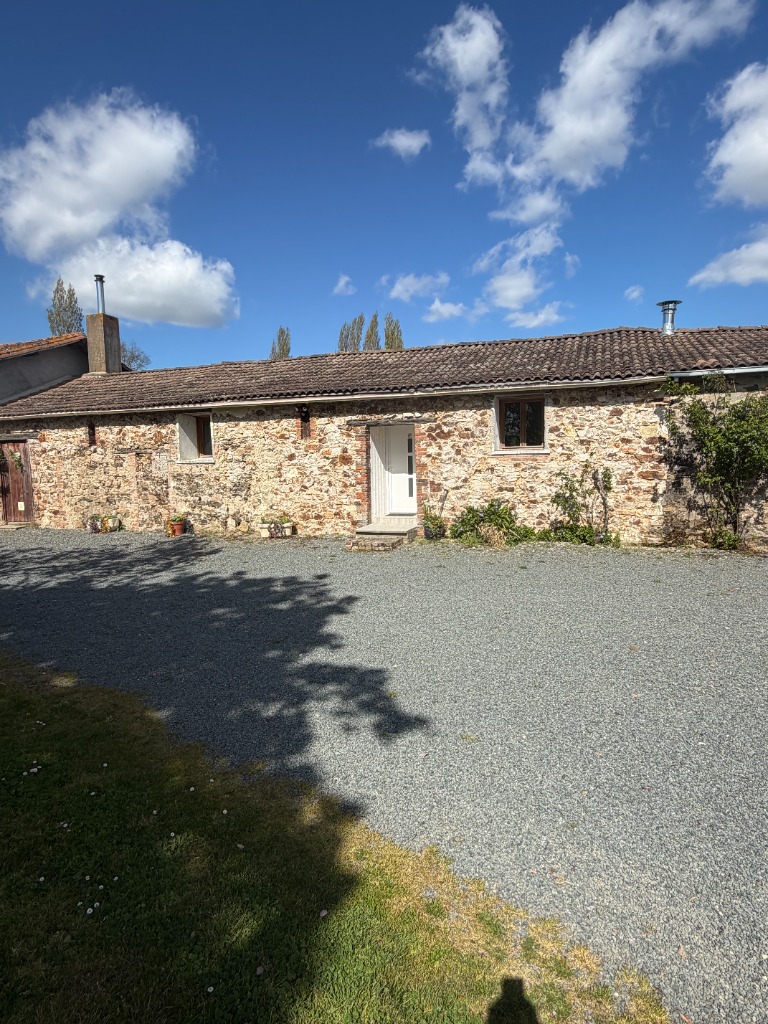
Gite in Loire
Maine-et-Loire
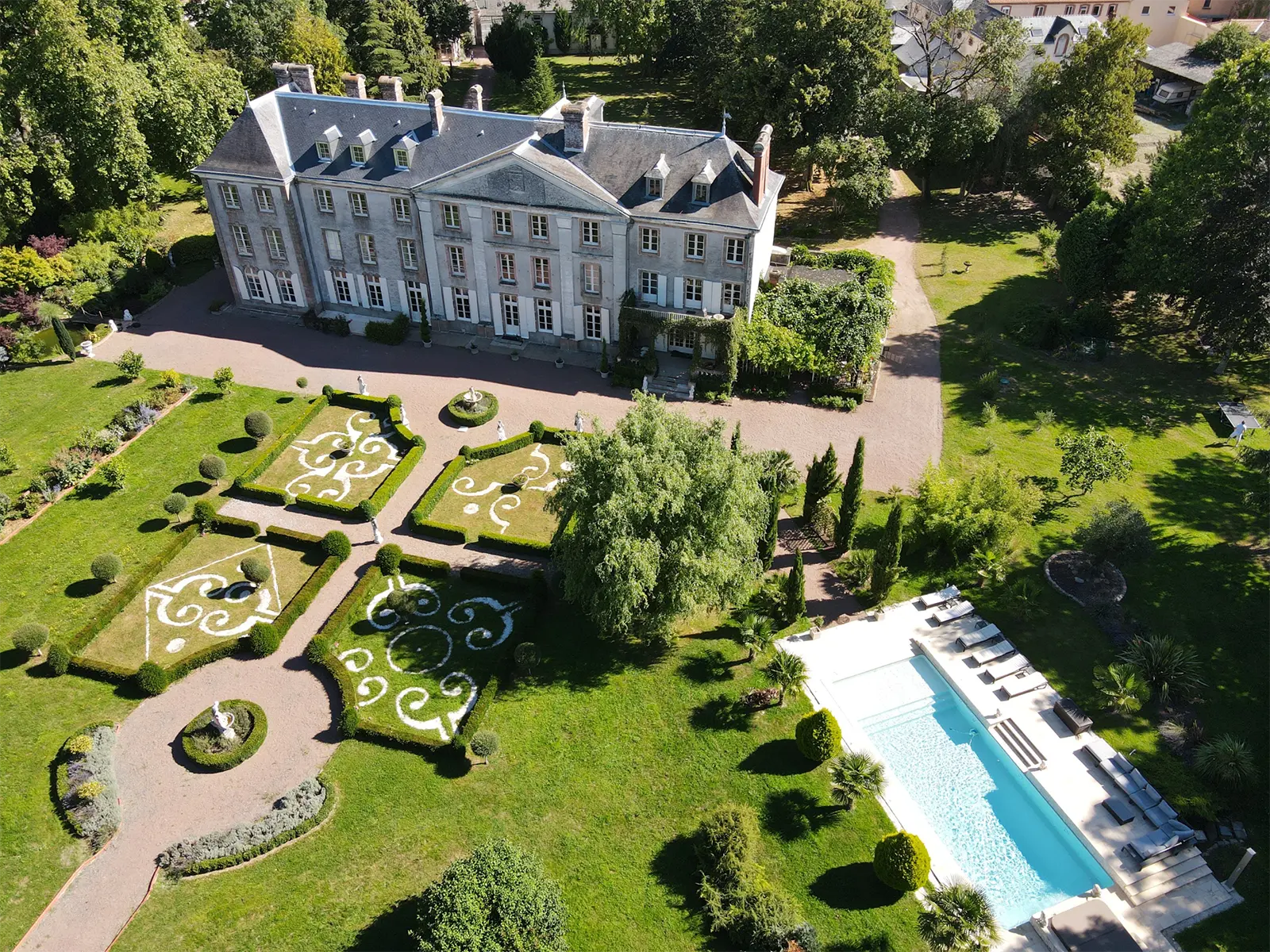
Château de Vezins
Maine-et-Loire
About the Loire Valley
The Loire was the gateway to central France for centuries, a navigable artery that carried stone, wine and royal processions inland from the Atlantic. When the French court moved here in the 1400s, fleeing plague and intrigue in Paris, the valley became a stage for power and taste. Château de Villandry and Château d'Azay-le-Rideau date from that heyday, each reflecting a different slice of Renaissance ambition: Villandry's formal gardens are geometric marvels of box hedge and vegetable beds, while Azay-le-Rideau sits moated and turreted on an island in the Indre, a textbook example of early French classicism.
Château du Clos Lucé in Amboise was Leonardo da Vinci's final home, gifted to him by François I. He lived here for the last three years of his life, and the house now displays working models of his inventions alongside Renaissance interiors. Fontevraud L'Abbaye Royale, further west near Saumur, is one of Europe's largest surviving monastic complexes — a stark, beautiful space that served as abbey, royal necropolis and later a prison, its white stone cloisters now open to visitors year-round.
The area is agricultural and unhurried. Small-scale wine estates dot the hillsides around Vouvray, Chinon and Saumur, many offering cellar visits without the formality you'd find in Burgundy or Bordeaux. The river itself is wide and shallow, fringed with poplars and crossed by old stone bridges, and the towns retain their 18th-century cores: slate roofs, shuttered houses, cobbled squares with a Friday market.
Things to do in the Loire Valley
Start with the châteaux. Château de Villandry is worth the admission for the gardens alone — six terraces of ornamental beds, fruit espaliers and a kitchen garden laid out in the 1530s style. Château d'Azay-le-Rideau sits reflected in still water, its interior furnished to show aristocratic life across four centuries. Château du Rivau, south of Chinon, is smaller and more playful, its walled gardens inspired by medieval fairy tales and its stables housing an exhibition on the warhorses of the age.
Fontevraud L'Abbaye Royale near Saumur is a different scale of monument: vast Romanesque naves, the tombs of Eleanor of Aquitaine and Richard the Lionheart, and cloisters that once housed a community of hundreds. Cathédrale Saint-Gatien in Tours is a Gothic landmark with stained glass spanning three centuries, its façade and towers facing onto the old quarter's café-lined streets. Musée des Blindés in Saumur holds one of the world's largest collections of armoured vehicles — over 800 tanks and military machines from 1917 onwards, meticulously restored and displayed in working hangars.
For family days out, Zoo de la Flèche has polar bears, big cats and an immersive design that keeps younger visitors engaged. Grand Aquarium de Touraine near Tours offers tropical tanks and touch pools. Both are professionally run operations with high ratings and enough to fill half a day.
Typical climate
Typical weather
Monthly averagesOn the map
Food & drink
The Loire Valley grows white asparagus in spring, strawberries in early summer and pears around Angers. Rillettes — potted pork or rabbit — originated in Tours and remains a fixture on charcuterie boards. The local goat's cheese, Sainte-Maure-de-Touraine, is a log-shaped chèvre with a rye-straw core, tangy and crumbly when young. You'll find it at weekly markets in every town, alongside honey, walnut oils and seasonal vegetables.
Wine is the other draw. Vouvray makes chenin blanc in styles from bone-dry to lusciously sweet; Chinon is known for cabernet franc reds with a mineral edge; Saumur produces sparkling wines using the traditional method. Most estates are small, family-run and happy to pour tastings without a booking, though calling ahead in high season is sensible. Markets in Tours (covered Les Halles), Amboise (Friday and Sunday) and Saumur (Saturday) are the places to stock your gîte kitchen with fresh produce, farmhouse cheeses and crusty pain de campagne.
Getting there
The Loire Valley sits roughly 220 kilometres southwest of Paris and 150 kilometres from Nantes on the Atlantic coast. If you're arriving by Eurostar into Paris Gare du Nord, you can hire a car at one of the city's ring-road stations or take a TGV south to Tours, then pick up a vehicle there — around 90 minutes by train. Nantes Atlantique airport, 154 kilometres west, has year-round flights from several UK airports and is often the quickest option if you're heading for the western châteaux around Saumur and Fontevraud.
Driving from Caen or Ouistreham (Brittany Ferries from Portsmouth, 206 kilometres north) takes about two and a half hours down the A28 and A11. Limoges airport, 181 kilometres to the south, is served by Ryanair and puts you within reach of the valley's southern edge, though the drive is slower on smaller roads. Once you're based in a gîte, a car is essential — the châteaux and villages are spread wide, and public transport between them is patchy.
Ready to find your gîte in the Loire Valley?
7 self-catering rentals handpicked from independent owners.