Gourmet delights in Aquitaine
Featured gîtes in Aquitaine
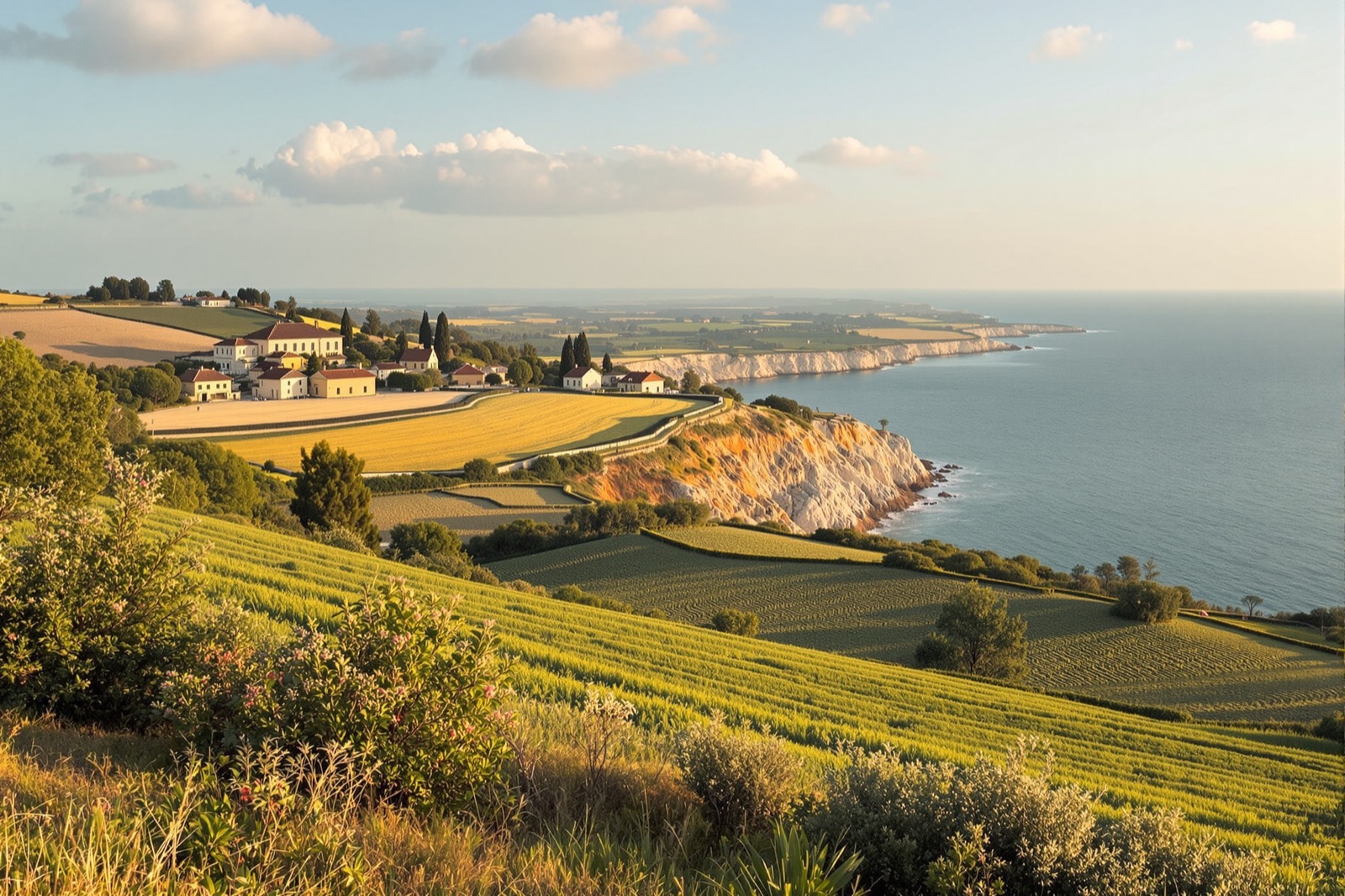
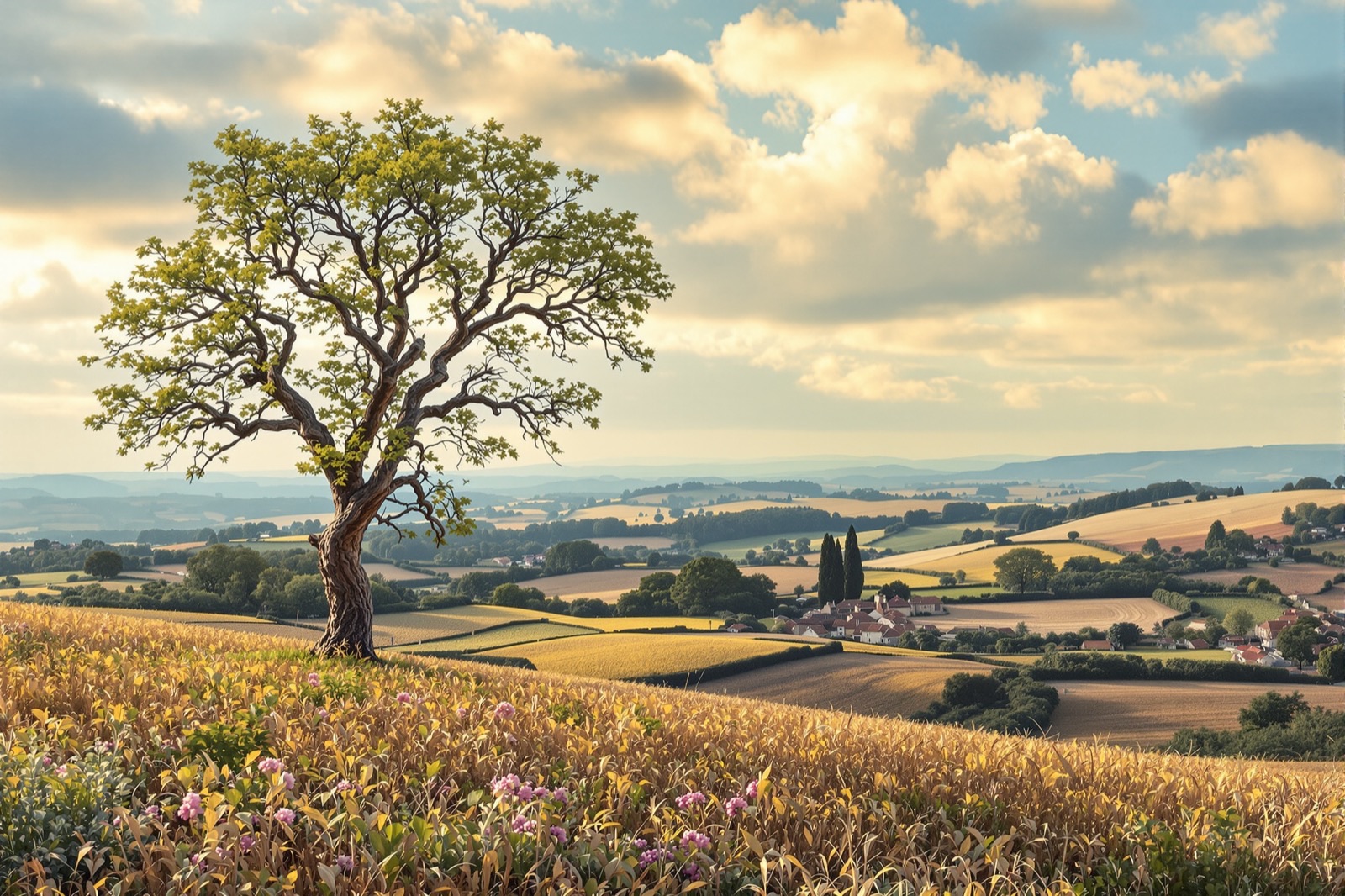
Southwest France's Aquitaine region offers one of the world's most extraordinary culinary adventures, where centuries of agricultural tradition have created a food culture that rivals any on earth. This vast region stretches from the Atlantic coast inland to rolling countryside dotted with vineyards, orchards, and farms that produce ingredients coveted by chefs worldwide. The morning air carries the scent of freshly baked bread from village boulangeries, while local markets overflow with seasonal treasures that transform simple meals into memorable feasts.
The region's gastronomic reputation rests largely on its mastery of duck and goose. These birds appear on virtually every restaurant menu, most famously prepared as confit—slowly cooked in their own fat until the meat falls tender from the bone. The golden fat itself becomes a prized cooking medium, adding rich depth to everything from roasted potatoes to hearty soups. Walk through any market in Périgord or the Landes, and you'll find vendors selling jars of this liquid gold alongside perfectly preserved duck legs, their skin glistening amber in the morning light.
Aquitaine's orchards contribute equally spectacular ingredients to the regional table. Plum trees heavy with purple fruit dot the landscape around Agen, where the famous pruneaux d'Agen are born. These aren't ordinary dried plums—they're transformed into silky, wine-dark morsels often bathed in Armagnac, the region's distinctive brandy. The combination creates an intensely flavoured ingredient that appears in both sweet and savoury dishes, from roasted meats to elegant tarts. The aroma alone—fruity, boozy, and deeply satisfying—captures the essence of southwestern French cooking.
Walnut groves provide another signature element, their trees creating natural cathedrals of green throughout the Dordogne valley. Fresh walnuts appear in autumn markets alongside walnut oil so fragrant it perfumes entire market squares. Local cooks drizzle this precious oil over warm goat cheese salads or use it to dress bitter greens, creating the perfect counterpoint to rich duck dishes. The nuts themselves find their way into everything from bread to liqueurs, their earthy richness defining countless regional specialties.
For those with sweet inclinations, Aquitaine presents an embarrassment of riches. The legendary canelé de Bordeaux stands as perhaps the region's most iconic dessert—small, fluted cylinders with caramelised copper-coloured exteriors concealing custardy centres perfumed with rum and vanilla. Proper canelés require specific copper moulds and precise technique, creating treats that crackle when bitten before giving way to creamy interiors. Each bite delivers contrasting textures and temperatures that explain why these mysterious little cakes have captivated food lovers for centuries.
The Basque corner of Aquitaine contributes its own treasures, including gâteau Basque—a tender cake filled with either pastry cream or cherry preserves, depending on local tradition. Meanwhile, the Landes region offers pastis Landais, a spectacular apple tart elevated with Armagnac-soaked fruit and paper-thin pastry that shatters at first touch. These aren't merely desserts; they're edible expressions of place, each recipe carrying stories passed between generations of bakers.
Cheese production throughout Aquitaine reflects the region's pastoral heritage. Ossau-Iraty, made from sheep's milk in the Pyrénées, delivers complex nutty flavours that intensify with age. The cheese develops a natural rind that protects creamy interiors ranging from ivory to deep gold. Paired with quince paste and crusty bread, it creates perfect harmony with regional wines. Smaller producers throughout the region craft remarkable goat cheeses, many available only at local markets where you can sample before buying.
The wine culture of Aquitaine needs little introduction—Bordeaux alone commands global respect. But the region produces far more than prestigious reds. Crisp whites from Entre-Deux-Mers complement oysters from Arcachon Bay, while sweet Sauternes pairs beautifully with foie gras or strong cheeses. Lesser-known appellations like Madiran produce robust reds perfect for duck confit, while the Jurançon region creates distinctive whites with enough acidity to cut through rich regional dishes.
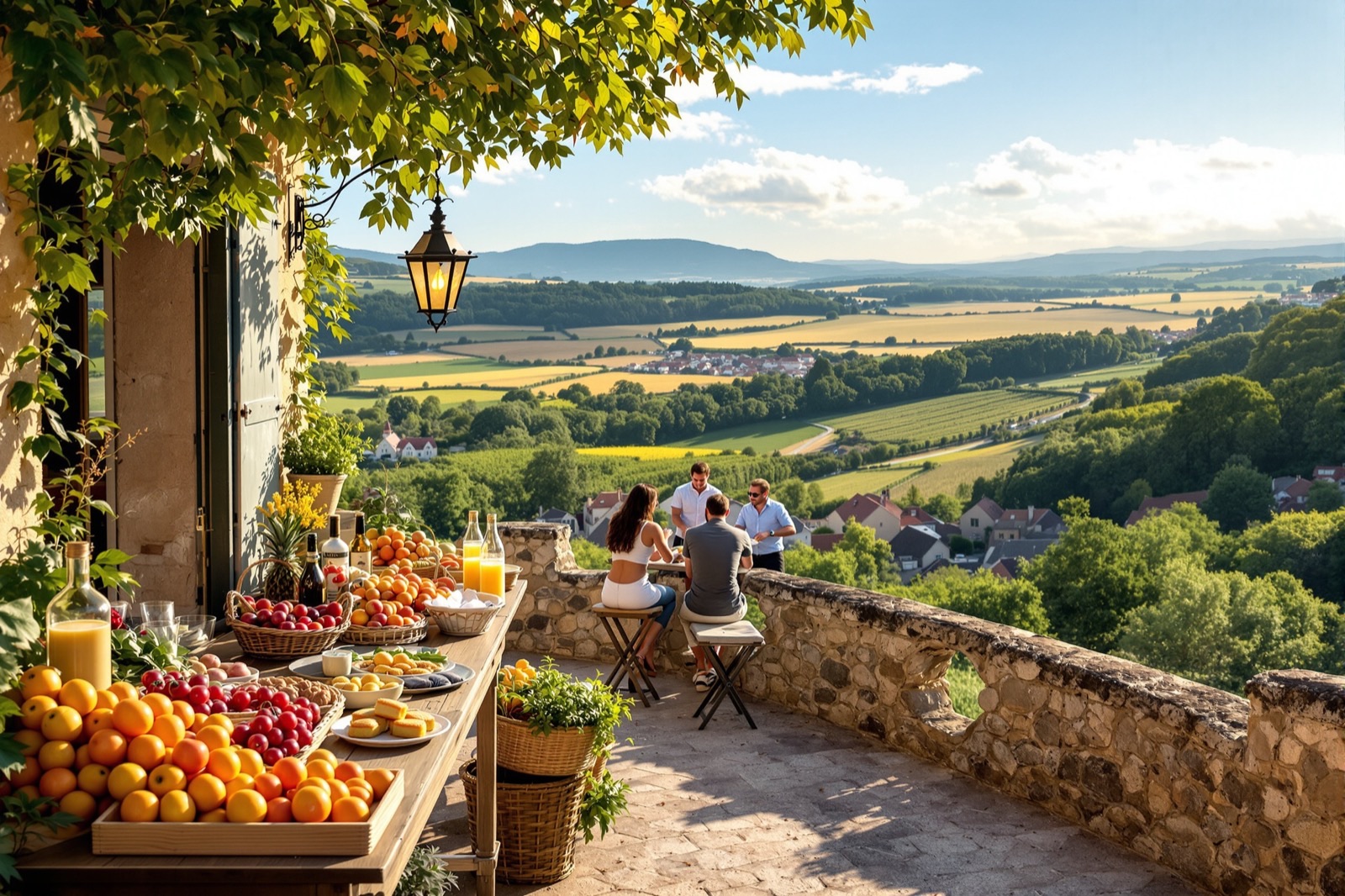
Markets remain the heart of Aquitaine's food culture. Saturday morning in Sarlat transforms the medieval centre into a sensory explosion where vendors arrange perfect pyramids of seasonal produce. The sound of rapid-fire French mingles with the scrape of knives on cutting boards as cheese merchants offer tastes of their finest selections. Truffle markets in winter add an element of theatre, with secretive dealers examining warty black treasures worth their weight in gold.
Restaurant culture throughout Aquitaine balances innovation with tradition beautifully. Village bistros serve time-honoured dishes prepared exactly as local grandmothers intended, while contemporary chefs in cities like Bordeaux and Biarritz reinterpret classic ingredients with modern techniques. Both approaches succeed because they respect the exceptional quality of local ingredients, allowing natural flavours to shine rather than masking them with unnecessary complexity.
The true magic of Aquitaine's cuisine lies in its connection to place and season. Spring brings tender asparagus and fresh peas, summer explodes with tomatoes and stone fruits, autumn delivers chestnuts and new wines, while winter offers the year's finest preserved meats and aged cheeses. This rhythm creates a food culture that celebrates the present moment while honouring centuries of culinary wisdom, making every meal a connection to both land and tradition.
Ready to plan your French escape?
Browse our hand-picked gîtes and villas across France — book directly with owners, no booking fees.
Browse all gîtes in Aquitaine