The Idyllic Coastline of Pas de Calais
Featured gîtes in France
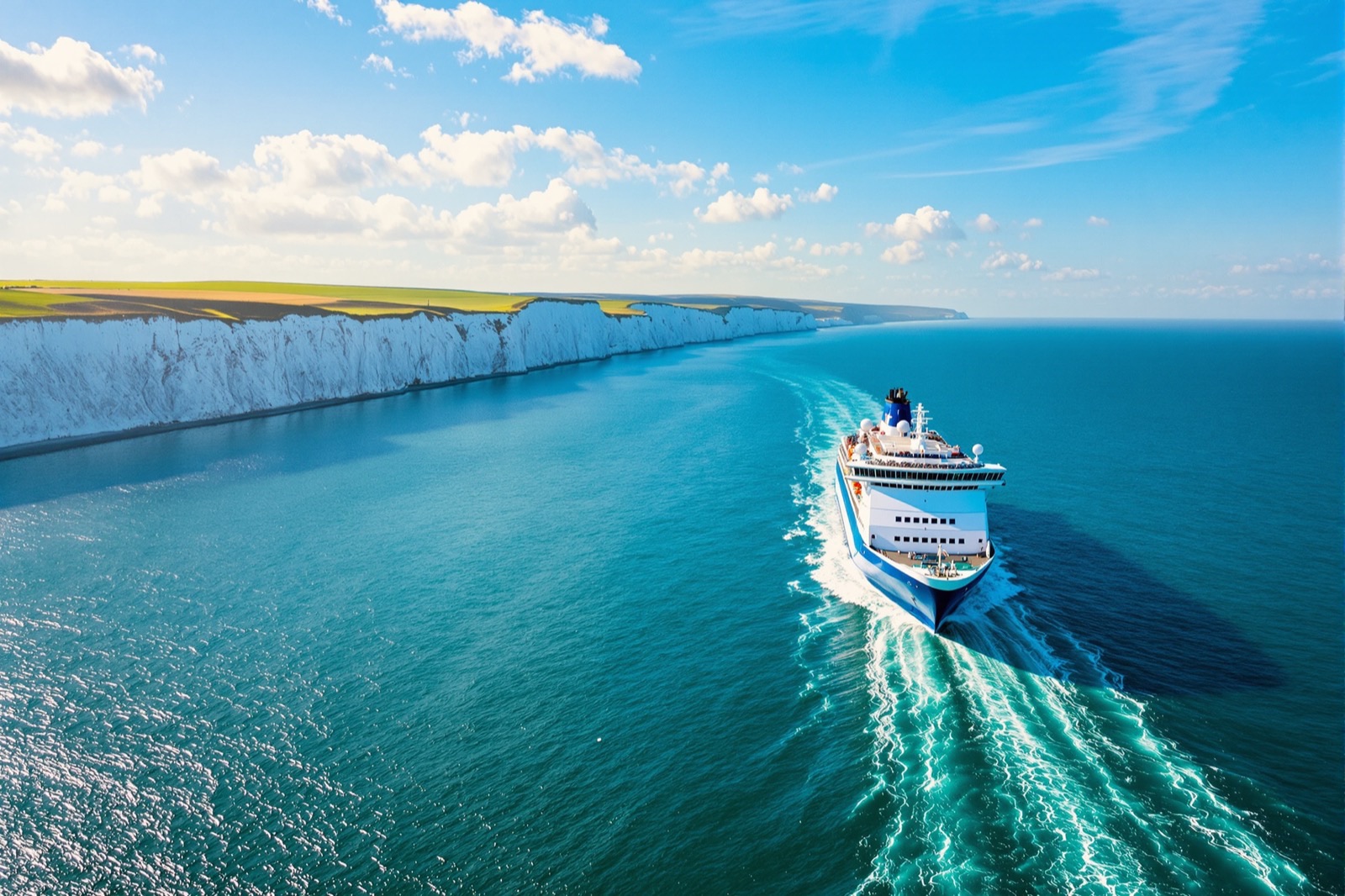
The chalk cliffs of Cap Blanc-Nez rise dramatically from pewter-grey seas, their white faces catching the morning light like beacons welcoming travellers to France. Yet most visitors barely glimpse this spectacular coastline, racing south on the autoroute towards Provence. Those who pause to explore the 120-kilometre stretch of the Pas-de-Calais coast discover something rather special: a shoreline that shifts from towering cliffs to vast sandy bays, punctuated by elegant resort towns that whisper of Belle Époque glamour.
The coastal road between Calais and Berck-sur-Mer unfolds like a scenic anthology, each chapter revealing different moods and landscapes. Start at the Côte d'Opale's crown jewel, the twin capes of Blanc-Nez and Gris-Nez. Here, the land drops away in sheer limestone precipices that on clear days offer views across the Channel to the white cliffs of Dover. The wind carries the salt tang of seaweed and the cries of gulls wheeling overhead, while purple sea thrift and yellow gorse paint the clifftops in vivid splashes of colour.
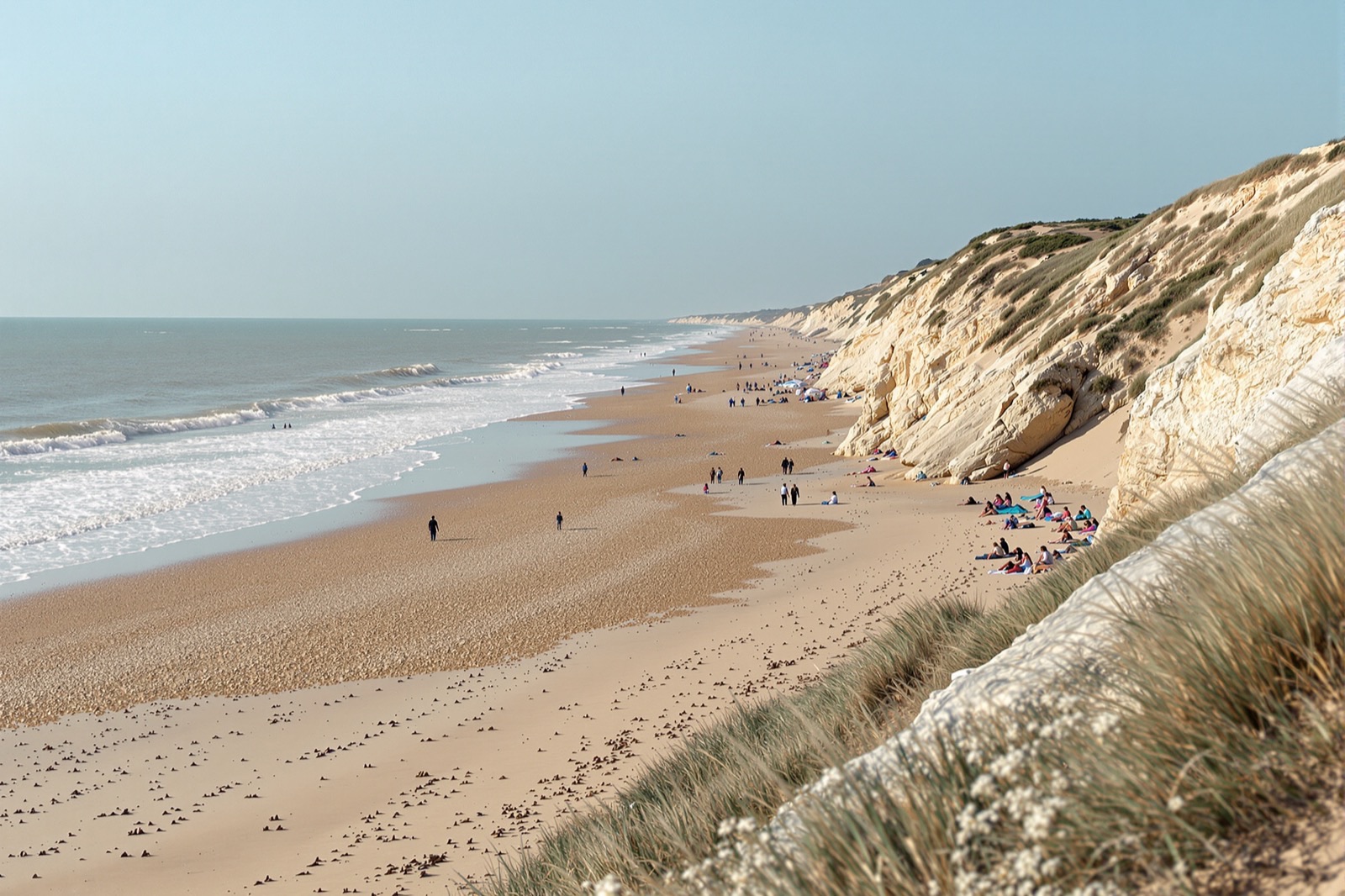
Wissant, nestled between these dramatic headlands, presents an entirely different character. This former fishing village spreads behind one of northern France's most magnificent beaches – a crescent of golden sand that stretches for miles at low tide. The bay catches the wind perfectly, making it a magnet for kitesurfers whose colourful sails dance across the horizon like exotic butterflies. Local beach clubs rent equipment and offer lessons, while the promenade's cafés serve steaming bowls of moules marinières with views across the dunes.
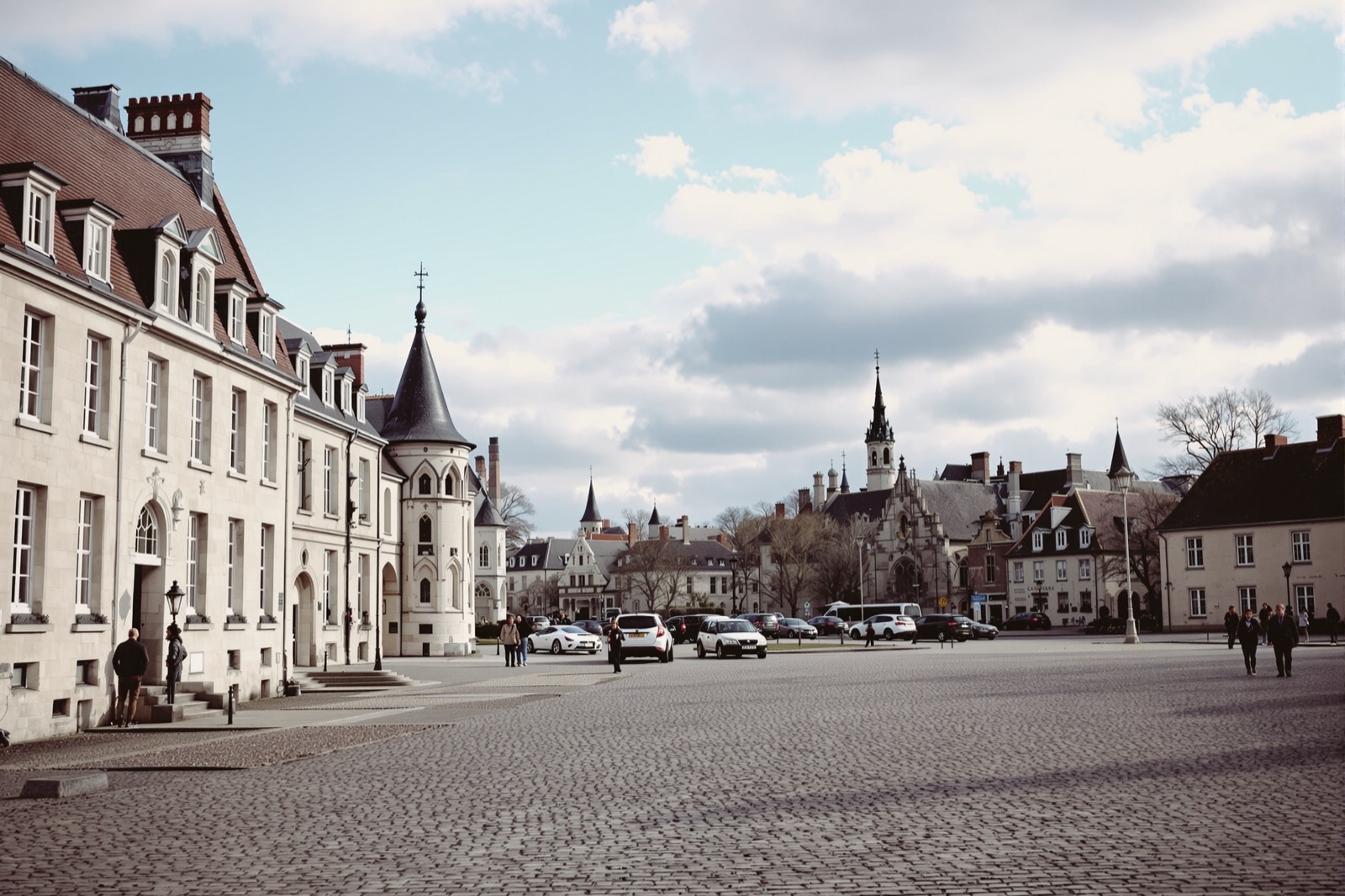
Further south, Le Touquet-Paris-Plage maintains its reputation as the "Pearl of the Côte d'Opale" with considerable style. The resort's tree-lined avenues are flanked by striking Anglo-Norman villas, their timber-framed facades and terracotta tiles creating an architectural symphony that speaks of its early days as a playground for wealthy Edwardians. The covered market on Thursday and Saturday mornings fills with the aroma of fresh bread, local cheeses, and flowers, while the elegant casino and boutiques along Rue Saint-Jean maintain the town's sophisticated atmosphere.
The beach at Le Touquet stretches endlessly at low tide, revealing firm sand perfect for beach games, horse riding, or simply long contemplative walks. When the wind picks up, colourful sand yachts appear as if by magic, their sails billowing as they race across the vast expanse with thrilling speed. The sight of these land sailors skimming across the beach never fails to captivate children and adults alike.
Boulogne-sur-Mer presents yet another facet of this diverse coastline. France's premier fishing port retains its working character while embracing its role as a cultural destination. The medieval ramparts of the old town, Ville Haute, enclose narrow cobbled streets where the scent of fresh coffee drifts from traditional bistros. The morning fish market near the port erupts in a symphony of French, English, and Flemish as vendors hawk the day's catch – gleaming sole, plump mussels, and baskets of wriggling prawns that speak of the sea's proximity.
The town's culinary scene reflects its position as a cultural crossroads. Restaurants serve everything from traditional coq à la bière (chicken braised in local beer) to fresh seafood platters that showcase the port's daily bounty. The National Sea Centre, Nausicaá, provides fascinating insights into marine life, while the beaches of neighbouring Wimereux offer gentler waves perfect for families with young children.
What makes the Pas-de-Calais coast particularly appealing for British visitors is its accessibility and variety. The short journey from Dover or Folkestone means you can be exploring clifftop paths or building sandcastles within hours of leaving home. The region's relatively flat terrain makes cycling a pleasure, with well-marked coastal paths that meander through nature reserves and past lighthouse beacons.
The coast's natural rhythms revolve around the dramatic tides that twice daily transform beaches from narrow strips to vast expanses. Time your visits to coincide with low tide for the best beach experiences, but remember that the sea retreats far from shore – keep an eye on tide times to avoid long walks back to deeper water for swimming. The shoulder seasons of late spring and early autumn often provide the most rewarding visits, with comfortable temperatures, fewer crowds, and dramatic skies that photographers dream of capturing.
Weather patterns here create their own magic. Morning mists that shroud the cliffs in ethereal veils give way to brilliant sunshine that sets the chalk faces glowing. Evening light turns the sea molten gold, while winter storms provide spectacular displays of nature's power as waves crash against the headlands in fountains of spray.
This coastline rewards those who take time to savour its rhythms rather than rushing through. Whether you're watching the tide race across the bay at Mont-Saint-Frieux, sampling local beer in a Boulogne bistro, or feeling the wind in your face on the cliffs above Escalles, the Pas-de-Calais coast offers an authentic taste of northern France that stays with you long after you've returned home.
Ready to plan your French escape?
Browse our hand-picked gîtes and villas across France — book directly with owners, no booking fees.
Browse all gîtes in France