Gites w Pikardii - Regionalne Smaki
Polecane domy wakacyjne — France
Picardy's culinary landscape unfolds like a well-worn recipe book passed down through generations, where every dish carries the soul of northern France. This region doesn't shout about its gastronomic prowess like Provence or Burgundy, yet its authentic flavours speak volumes to those who take time to listen. Here, food remains rooted in tradition, shaped by fertile farmland and a climate that demands hearty, warming sustenance.
The region's cuisine reflects its agricultural abundance and practical heritage. Think robust flavours that have sustained farming families for centuries, dishes that make perfect sense when autumn mist rolls across the Somme valley or winter winds sweep down from the Channel. Every market stall in towns like Amiens or Beauvais displays the same commitment to quality that has defined Picardy's food culture for generations.
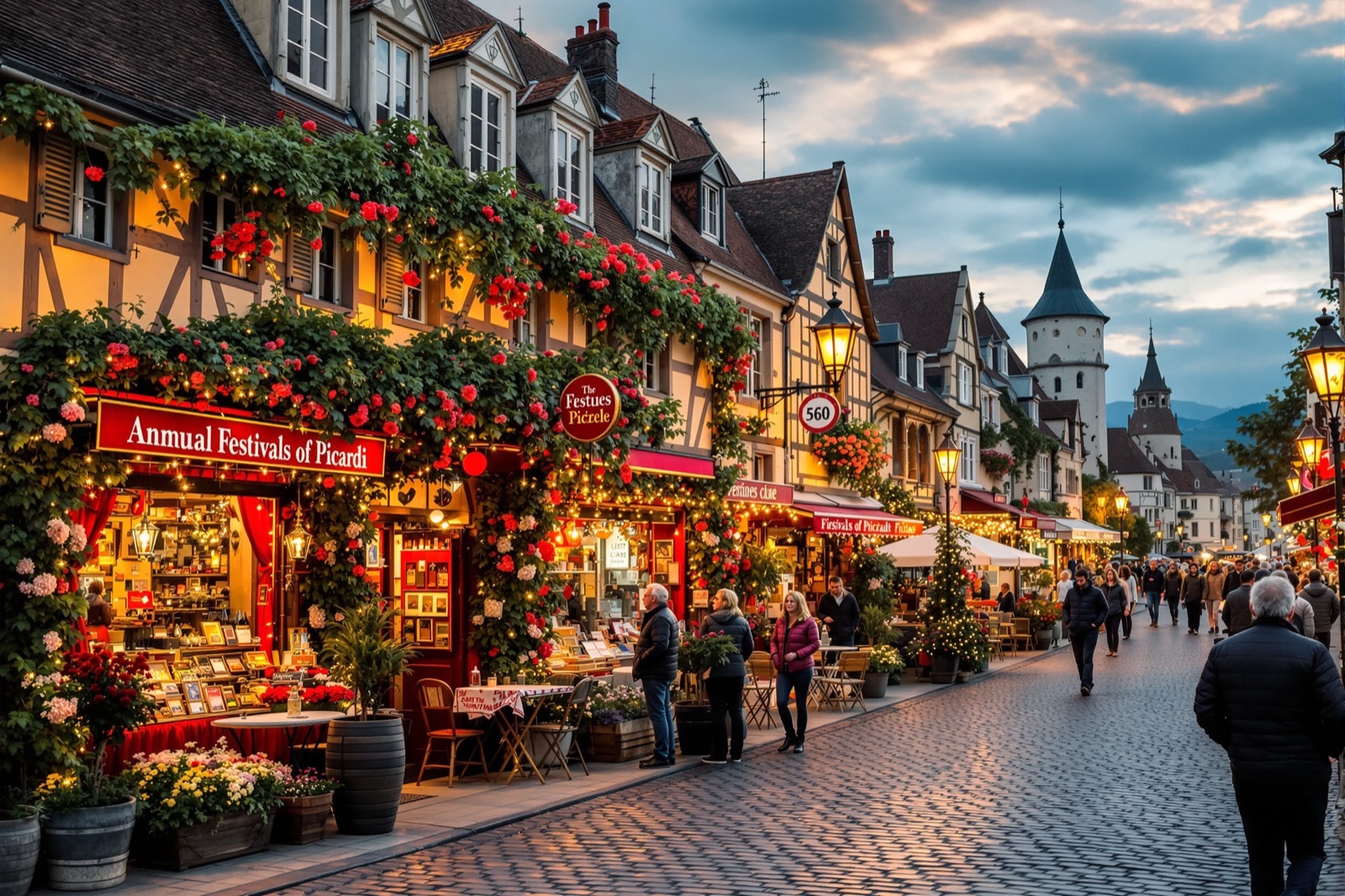
Walk through any village market and your senses come alive. The earthy aroma of fresh leeks mingles with the rich scent of duck pâté, while golden wheels of Maroilles cheese assert their presence from several stalls away. Local bakers arrange their gâteau battu like golden crowns, their surfaces gleaming with egg wash and promising that distinctive light texture within.
Flamiche aux poireaux stands as Picardy's most celebrated contribution to French cuisine. This magnificent leek tart transcends simple country cooking to become something approaching art. Unlike its cousin quiche Lorraine, flamiche focuses entirely on the sweet, delicate flavour of leeks, slow-cooked until they surrender their sharpness and become silky and mild. The best versions use only leeks, crème fraîche, eggs, and butter, allowing each ingredient to shine.
Making flamiche properly requires patience. The leeks must be sliced thin and cooked gently until they almost melt, releasing that distinctive onion-family sweetness without any harsh edges. Some cooks add a whisper of nutmeg to the pastry, while others fold in grated Gruyère or seasonal vegetables like tender broccoli florets. The finished tart emerges from the oven golden and slightly puffed, the custard set but still trembling, ready to be cut into generous wedges.
Amiens duck pâté represents another cornerstone of Picardy's culinary identity, though this dish demands serious commitment from both cook and diner. Legend credits its creation to a seventeenth-century butcher named Degaud, whose original recipe called for an entire deboned duck stuffed with a forcemeat of fresh lard, mushrooms, and rabbit, then wrapped in pastry and slow-baked until the crust turned deep gold.
Contemporary versions often include luxurious additions like foie gras, pistachios, or even slivers of black truffle, transforming this humble country dish into something worthy of special occasions. The finished pâté arrives at table as a substantial centerpiece, its thick pastry crust concealing layers of rich, gamey flavour. Paired with a glass of good Burgundy and some crusty bread, it becomes a meal that lingers in memory long after the last morsel disappears.
For those with a sweet tooth, gâteau battu offers pure indulgence disguised as humble cake. Its name means "beaten cake," referring to the ten or twelve egg yolks that get whisked until pale and voluminous, creating the foundation for this extraordinary creation. The technique requires genuine skill - those egg yolks must be beaten to perfect peaks before being folded with flour, butter, and baker's yeast.
The magic happens in the oven, where the batter rises dramatically in its specially designed deep mould, emerging as a towering golden dome that resembles a chef's toque. The texture defies description - lighter than brioche, more substantial than sponge cake, with a delicate crumb that dissolves on the tongue. Originally associated with Easter celebrations, gâteau battu now appears at family gatherings throughout the year, often accompanied by fresh berries or a dollop of cream.
Speaking of cream, no discussion of Picardy cuisine would be complete without acknowledging crème Chantilly, that cloud-like creation that bears the region's most famous château as its name. The story goes that a chef called Vatel first whipped this ethereal dessert for King Louis XIV during a banquet at Château de Chantilly, transforming simple double cream into something magical with just icing sugar and vanilla.
The secret to perfect Chantilly lies in using the freshest possible cream and stopping the whipping at precisely the right moment - too little and it won't hold its shape, too much and you'll end up with sweet butter. When made correctly, it forms soft, billowing peaks that hold their form yet feel weightless on the spoon. Beyond desserts, you'll find it gracing cups of hot chocolate in Picardy's cafés, adding richness to fruit tarts, or simply enjoyed with fresh strawberries from local farms.
These signature dishes represent just the beginning of Picardy's culinary story. The region's cheeses, particularly the pungent Maroilles and creamy Munster, deserve exploration by adventurous palates. Local vegetables, from sweet carrots grown in sandy soil to crisp apples from centuries-old orchards, provide the foundation for countless seasonal specialties. Each season brings its own rhythm to Picardy kitchens, from spring's tender asparagus to autumn's wild mushrooms and game.
Experiencing Picardy's regional flavours means embracing a different pace of eating, one that values tradition over trends and substance over style. These are dishes meant to be shared, savoured, and remembered - the perfect complement to long afternoons spent exploring this often-overlooked corner of France.
Gotowy zaplanować swój wyjazd do Francji?
Przeglądaj nasze wyselekcjonowane domy i wille w całej Francji — rezerwuj bezpośrednio u właścicieli, bez opłat rezerwacyjnych.
Zobacz wszystkie domy — France