Ferry routes to France
Featured French gîtes
The gentle rumble of ferry engines and the tang of sea air signal the start of your French adventure long before you glimpse the Gallic coastline. With multiple crossing points scattered along Britain's coast, choosing the right ferry route can transform your journey from mere transport into an integral part of your holiday experience.
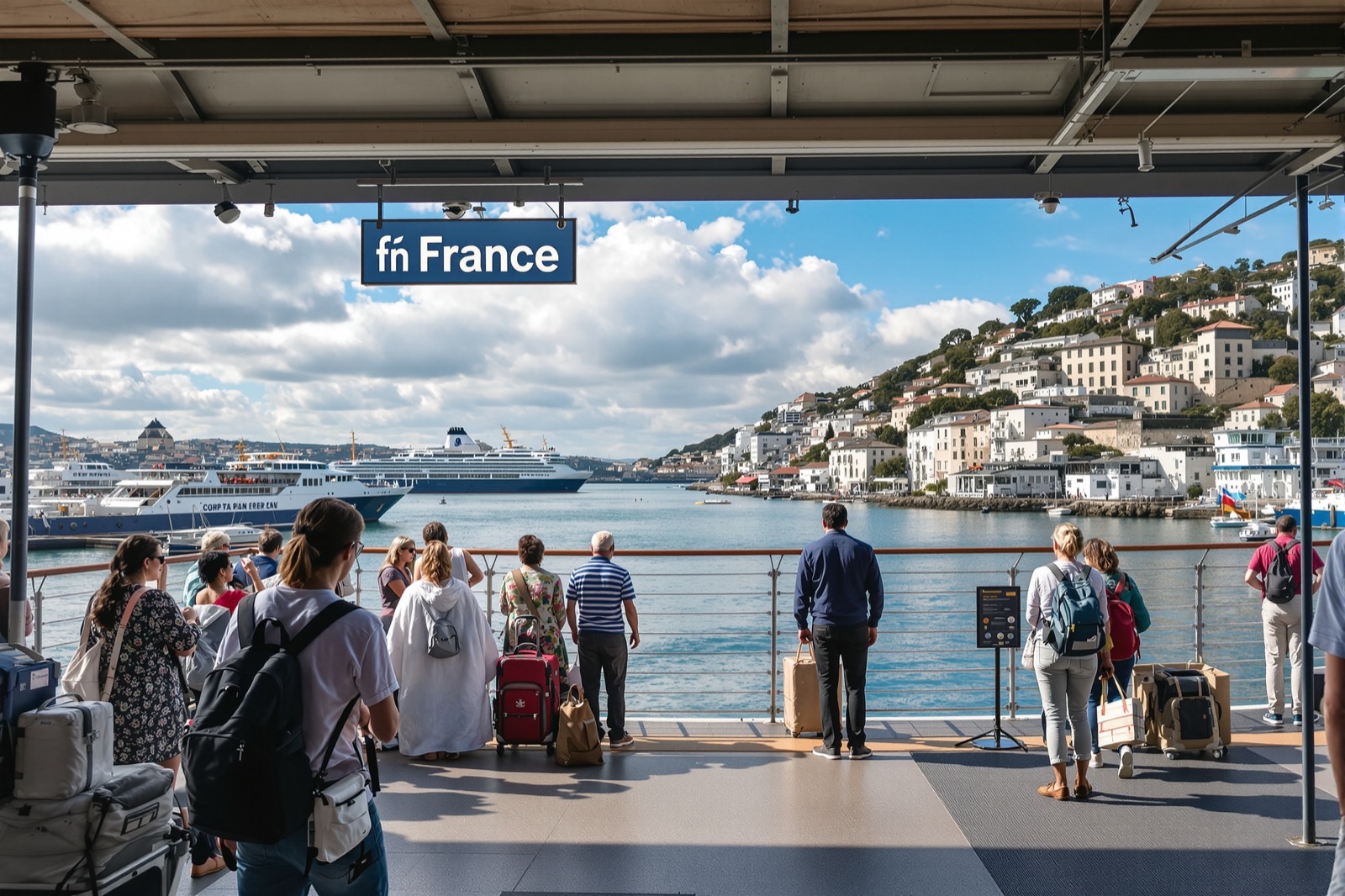
The iconic Dover-Calais crossing remains the workhorse of cross-Channel travel, and for good reason. At just 90 minutes, it's the swiftest way to plant your feet on French soil. The competition between P&O Ferries and DFDS Seaways keeps prices competitive, with crossings departing roughly every hour during peak times. As your ferry approaches Calais harbour, the sight of French tricolours fluttering in the maritime breeze and the distinctive architecture of the port buildings immediately signals you've arrived somewhere distinctly different.
For those seeking better value, night crossings offer significantly lower fares whilst providing a surprisingly peaceful journey. The ferry's restaurants serve surprisingly decent French-influenced cuisine, and watching the sun set over the English Channel from the deck creates a memorable transition between countries. Avoid school holiday periods when cabin fever reaches its peak and prices soar accordingly.
Portsmouth presents compelling alternatives for travellers heading to western and central France. The Portsmouth-Caen route, operated by Brittany Ferries, takes around six hours but delivers you directly into Normandy's historic heartland. You'll dock within easy reach of the D-Day beaches, Bayeux's magnificent tapestry, and the architectural marvel of Mont-Saint-Michel. The longer Portsmouth-Le Havre crossing appeals to those bound for Paris, as the port sits just two hours from the capital via the A13 autoroute.
Perhaps most appealing is the Portsmouth-Saint-Malo service, an overnight voyage that deposits early risers at the gates of Brittany. Saint-Malo's granite ramparts rising from the harbour create one of Europe's most dramatic ferry arrivals. Step ashore to the aroma of fresh crêpes and coffee wafting from harbour-side cafés, with the wild Breton coastline and its traditional fishing villages beckoning westward.
Newhaven-Dieppe deserves serious consideration for its combination of convenience and charm. This four-hour crossing lands you in one of France's most authentic fishing ports, where the Saturday market overflows with local cheeses, cider, and seafood hauled from Norman waters just hours before. The route provides excellent access to the chalk cliffs of Étretat, Rouen's Gothic cathedral, and the champagne region beyond.
Northern English and Scottish travellers shouldn't overlook the longer routes that can actually save both time and stress. The Hull-Rotterdam overnight ferry transforms travel into a mini-cruise, complete with restaurants, entertainment, and comfortable cabins. You'll wake to Dutch countryside views and find yourself well-positioned for eastern France, Alsace, or even continuing south through Switzerland.
Similarly, the Hull-Zeebrugge route offers an alternative approach via Belgium. Though the drive to France takes slightly longer, you'll appreciate the superior quality of Belgian and French motorways compared to Britain's often congested network. The ferry journey itself becomes part of the holiday, with time to enjoy proper meals, duty-free shopping, and genuine relaxation before the driving begins.
From Newcastle, the overnight crossing to Amsterdam opens up different possibilities entirely. While the subsequent drive to France covers more distance, the route takes you through some of Europe's most pleasant countryside. Consider breaking the journey in medieval Bruges or sampling Belgian beer culture in Brussels before continuing south.
Weather plays a crucial role in ferry comfort, particularly on shorter crossings where rough seas can make the brief journey feel interminable. The longer routes typically use larger vessels that handle adverse conditions more gracefully. Check forecasts before travelling, and pack sea-sickness remedies if you're prone to motion sensitivity.
Booking flexibility varies significantly between operators and routes. While Dover-Calais services often accommodate walk-up passengers, longer routes requiring cabin accommodation should be reserved well in advance, particularly during summer months. Tuesday and Wednesday departures typically offer the best value, while Friday evening services command premium pricing.
Vehicle preparation matters more than many realise. Ensure headlight deflectors are properly fitted, carry a GB sticker (or have appropriate number plates), and pack a comprehensive European driving kit including warning triangles and high-visibility vests. Some ferries offer these items in their shops, but at considerably inflated prices.
The choice between routes often comes down to your final destination and personal travel philosophy. Those eager to maximise time in France favour the rapid Dover-Calais sprint. Others relish the overnight crossings as proper transitions, allowing you to leave British shores in the evening and wake to continental sunrise. Consider your destination, budget, and desire for the journey itself to become part of your French adventure.
Ready to plan your French escape?
Browse our hand-picked gîtes and villas across France — book directly with owners, no booking fees.
Browse all properties