The Three Best Museums in Pas de Calais
Featured gîtes in France
While many travellers treat Pas de Calais as merely a gateway to France, this northern region rewards those who linger with some truly remarkable cultural treasures. The landscape here tells stories of industry and artistry, from coal mining heritage to centuries-old craftsmanship, all beautifully preserved in world-class museums that rival anything you'll find in Paris.
These three outstanding museums each offer something entirely different, yet together they paint a vivid portrait of French cultural heritage. Whether you're fascinated by ancient civilisations, intricate textile arts, or revolutionary artistic movements, Pas de Calais delivers experiences that will enrich any French adventure.
The crown jewel of the region's cultural offerings is undoubtedly the Louvre-Lens, a stunning satellite of the world's most famous museum. This architectural marvel rises from the former mining landscape of Lens like a glass and aluminium phoenix, its sleek galleries stretching across the horizon in graceful curves. The building itself is a masterpiece – floor-to-ceiling windows flood the spaces with natural light, creating an almost ethereal backdrop for the treasures within.
Step into the Grande Galerie and you'll find yourself face-to-face with 5,000 years of human creativity arranged in a breathtaking timeline. Ancient Mesopotamian sculptures stand beside medieval French tapestries, while Renaissance paintings converse silently with Islamic ceramics. The absence of traditional museum walls creates an open, flowing experience where you can trace the evolution of artistic expression across continents and centuries. The scent of polished concrete mingles with the whisper of footsteps and hushed conversations in a dozen languages.
Allow at least half a day here – the temporary exhibitions alone warrant extended exploration, often featuring works never before seen outside the Louvre's Parisian walls. The museum shop stocks beautifully crafted reproductions and art books, while the café offers panoramic views across the transformed mining landscape, now dotted with contemporary sculptures and native wildflowers.
In Calais, the Cité Internationale de la Dentelle et de la Mode occupies a gorgeously restored lace factory, where the rhythmic clatter of bobbins once filled the air from dawn to dusk. Today, the museum tells the intricate story of Calais lace, an industry that transformed this port city into the world capital of machine-made lace. The building retains its industrial character – exposed brick walls and high ceilings create dramatic spaces where delicate lace seems to float like captured clouds.
The permanent collection showcases lace from gossamer-fine wedding veils worn by 19th-century brides to avant-garde creations adorning contemporary catwalks. Touch-screen displays reveal the mesmerising complexity of lace patterns, while restored Leavers machines demonstrate the mechanical ballet required to create these textile marvels. The sound of shuttles and warps fills demonstration areas, accompanied by the concentrated silence of skilled artisans at work.
Fashion enthusiasts will be captivated by the haute couture displays, featuring pieces by designers who have made Calais lace central to their aesthetic vision. The museum regularly hosts temporary exhibitions exploring fashion's relationship with craftsmanship, often featuring loans from major fashion houses and private collectors. The rooftop terrace provides sweeping views across Calais, from the historic lighthouse to the busy ferry terminals that connect France with Britain.
Henri Matisse's birthplace of Le Cateau-Cambrésis houses the most comprehensive collection of the master's work outside Paris, displayed within the elegant walls of the Palais Fénelon. This 18th-century former episcopal palace provides an intimate setting for understanding Matisse's revolutionary approach to colour and form. The artist himself was deeply involved in the museum's creation, donating works and advising on their presentation within the palace's classical rooms.
Each gallery reveals different facets of Matisse's genius – from his early academic drawings to the explosive Fauvist canvases that shocked the art world, culminating in the ethereal paper cut-outs of his final period. The museum's real treasure is seeing how Matisse's textile-manufacturing background influenced his artistic vision. Growing up surrounded by the looms and dye vats of his family's grain and paint business, he developed an intuitive understanding of colour relationships that would revolutionise modern art.
The museum also celebrates Auguste Herbin, another son of Le Cateau-Cambrésis, whose geometric abstractions provide a fascinating counterpoint to Matisse's more fluid style. The juxtaposition of these two artistic approaches, both rooted in the same small town's industrial heritage, offers unique insights into how environment shapes creative expression.
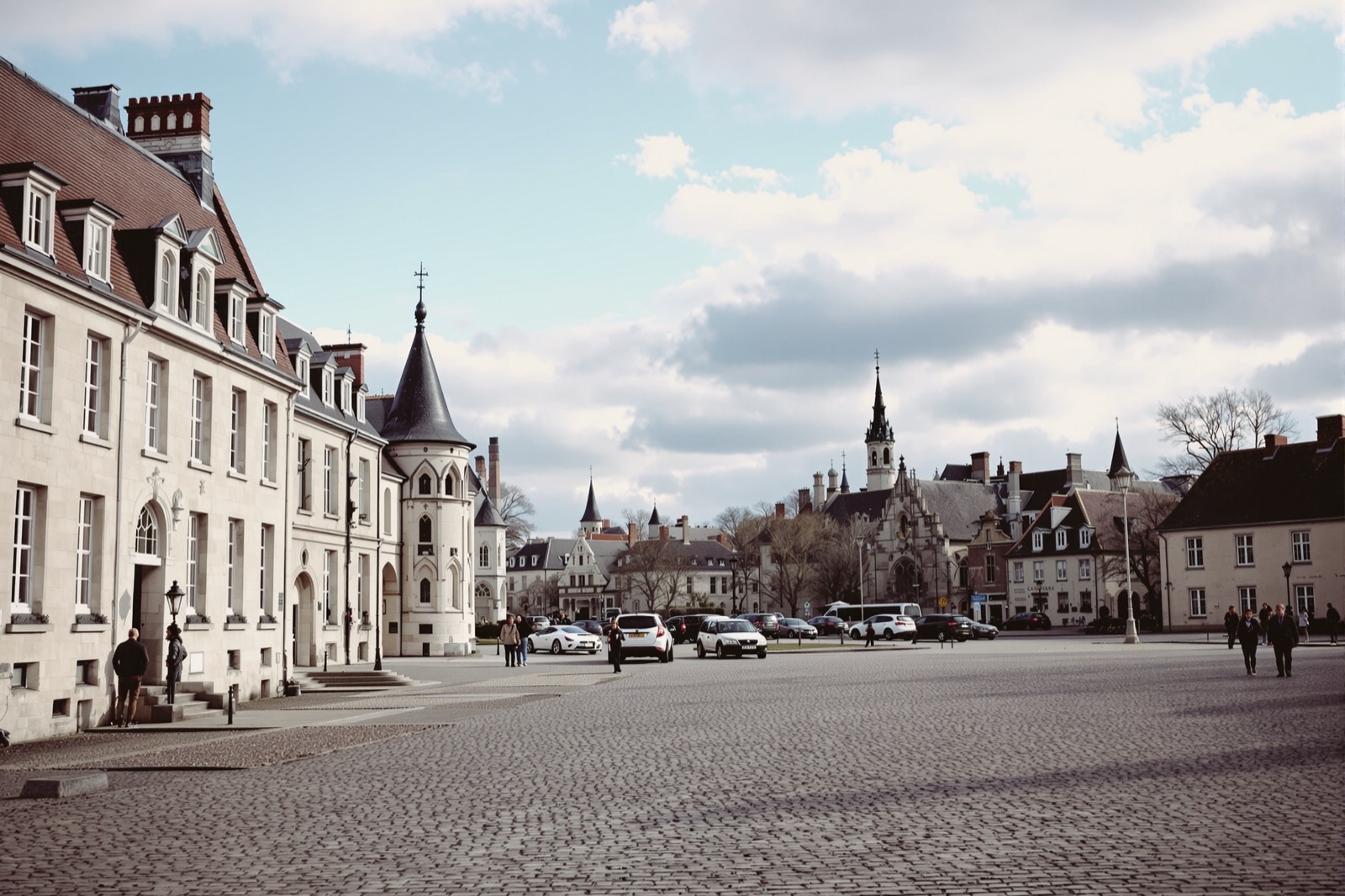
Le Cateau-Cambrésis itself deserves exploration, with its cobbled market square surrounded by Flemish-influenced architecture and traditional estaminets serving local specialities. The weekly market fills the air with the aroma of fresh bread and regional cheeses, while the town's gardens provide peaceful spots for reflection after immersing yourself in artistic masterpieces.
Each of these museums offers more than mere cultural enrichment – they provide windows into the soul of northern France, where industry and artistry have danced together for centuries. Plan for full days at each location to truly appreciate their depth, and don't rush between them. The journey through Pas de Calais reveals landscapes of surprising beauty, from rolling countryside to transformed industrial sites where nature reclaims former mining areas, creating an ever-changing backdrop for your cultural discoveries.
Ready to plan your French escape?
Browse our hand-picked gîtes and villas across France — book directly with owners, no booking fees.
Browse all gîtes in France