The Regional Food of Alsace and Lorraine
Featured gîtes in France
The eastern regions of Alsace and Lorraine offer something truly special for food lovers: a cuisine that bridges two culinary worlds. Here, where France meets Germany, centuries of cultural exchange have created a distinctive gastronomy that's both familiar and wonderfully surprising. The result is hearty, soul-warming dishes that reflect the region's complex history and the resourcefulness of its people.
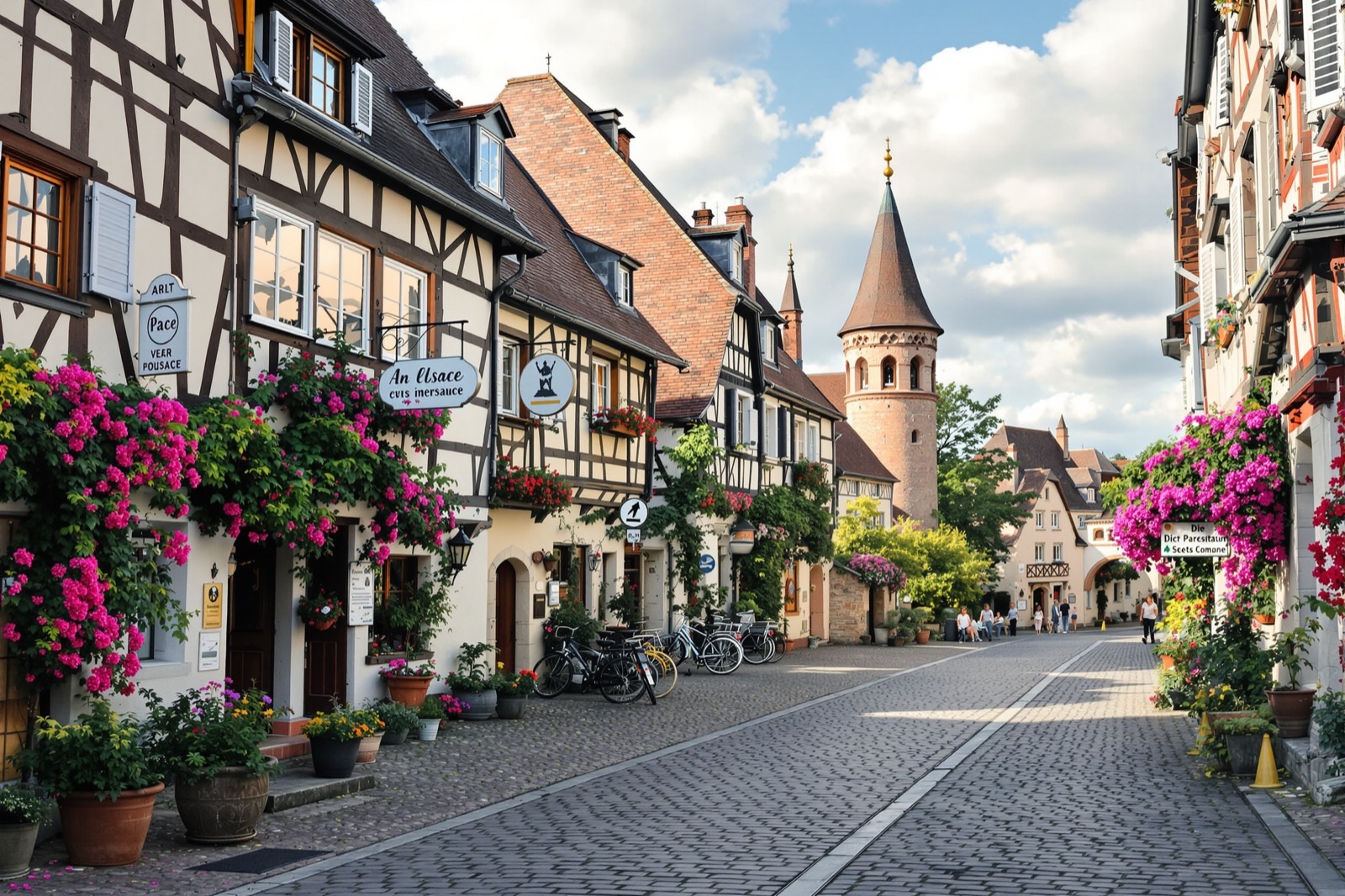
Walking through the cobbled streets of Strasbourg or Nancy, you'll catch the enticing aromas of slow-cooked stews and freshly baked pastries wafting from restaurant kitchens. This is comfort food at its finest – dishes designed to sustain you through harsh winters and celebrate the abundance of local harvests.
The star of Alsatian cuisine has to be choucroute, the region's distinctive take on sauerkraut. Unlike its German cousin, Alsatian choucroute incorporates juniper berries and goose fat, creating a more complex, aromatic flavour. The cabbage is fermented slowly, developing a tangy sharpness that cuts beautifully through rich meats. Traditionally served with an assortment of pork – sausages, knuckles, and smoked bacon – modern chefs increasingly pair it with fresh fish like salmon or pike-perch. When you see "à l'alsacienne" on a menu, expect this gloriously pungent accompaniment.
Another cornerstone of Alsatian cooking is baeckeoffe, a magnificent slow-cooked casserole that epitomises the region's approach to hearty fare. The name literally means "baker's oven," harking back to when home cooks would prepare the dish at home before taking it to the village baker's oven to cook slowly while they attended church. Layers of lamb, beef, and pork mingle with potatoes and onions, all marinated overnight in Riesling wine and cooked in a sealed terracotta pot. The result is tender, falling-apart meat infused with wine and herbs – pure comfort in a bowl.
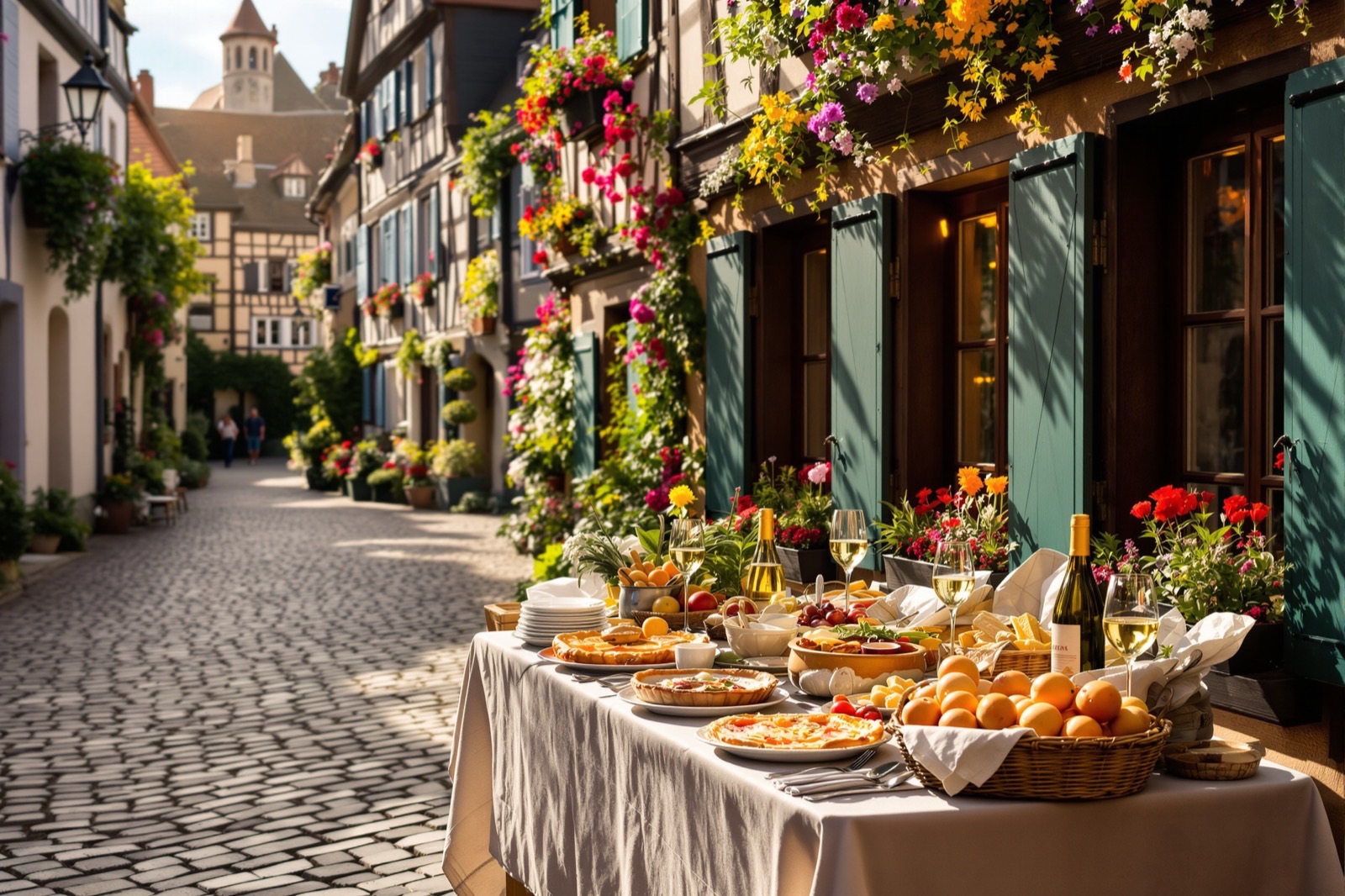
The Alsatian love affair with pastries deserves special mention. Local patisseries showcase an impressive array of fruit-laden tarts and cakes that change with the seasons. Spring brings tender rhubarb tarts with their perfect balance of tart and sweet. Summer sees cherry clafoutis and mirabelle plum tarts that capture the essence of the region's orchards. The quetsch plum, particular to this area, creates intensely flavoured tarts with a deep purple hue. Many of these desserts are topped with a cloud of light meringue that melts on your tongue, providing textural contrast to the fruit beneath.
Lorraine's culinary reputation rests largely on one world-famous dish: quiche Lorraine. But experiencing the original in its homeland is a revelation. Forget the heavy, cheese-laden versions found elsewhere – authentic quiche Lorraine contains just eggs, cream, and lardons (crispy bacon pieces) in a buttery pastry shell. The custard is silky and rich, the bacon adds smoky depth, and the pastry provides the perfect supporting structure. It's elegant simplicity at its best.
Beyond quiche lies potée Lorraine, a robust stew that embodies the region's no-nonsense approach to cooking. This is peasant food elevated – a hearty mix of salted pork, smoked sausages, and whatever vegetables are to hand. Haricot beans, potatoes, leeks, and cabbage simmer slowly together, creating a dish that's greater than the sum of its parts. Each spoonful delivers different textures and flavours, from the smokiness of the sausage to the creaminess of the beans.
Lorraine's pâté tradition deserves recognition too. The regional pâté combines pork and veal encased in crisp puff pastry, but it's the preparation that sets it apart. The meat is marinated in white wine with shallots and fresh herbs before being wrapped in pastry and baked. This creates a wonderfully aromatic filling with complex flavours that develop as you eat. Served at room temperature with a simple dressed salad, it makes an ideal lunch on a warm day.
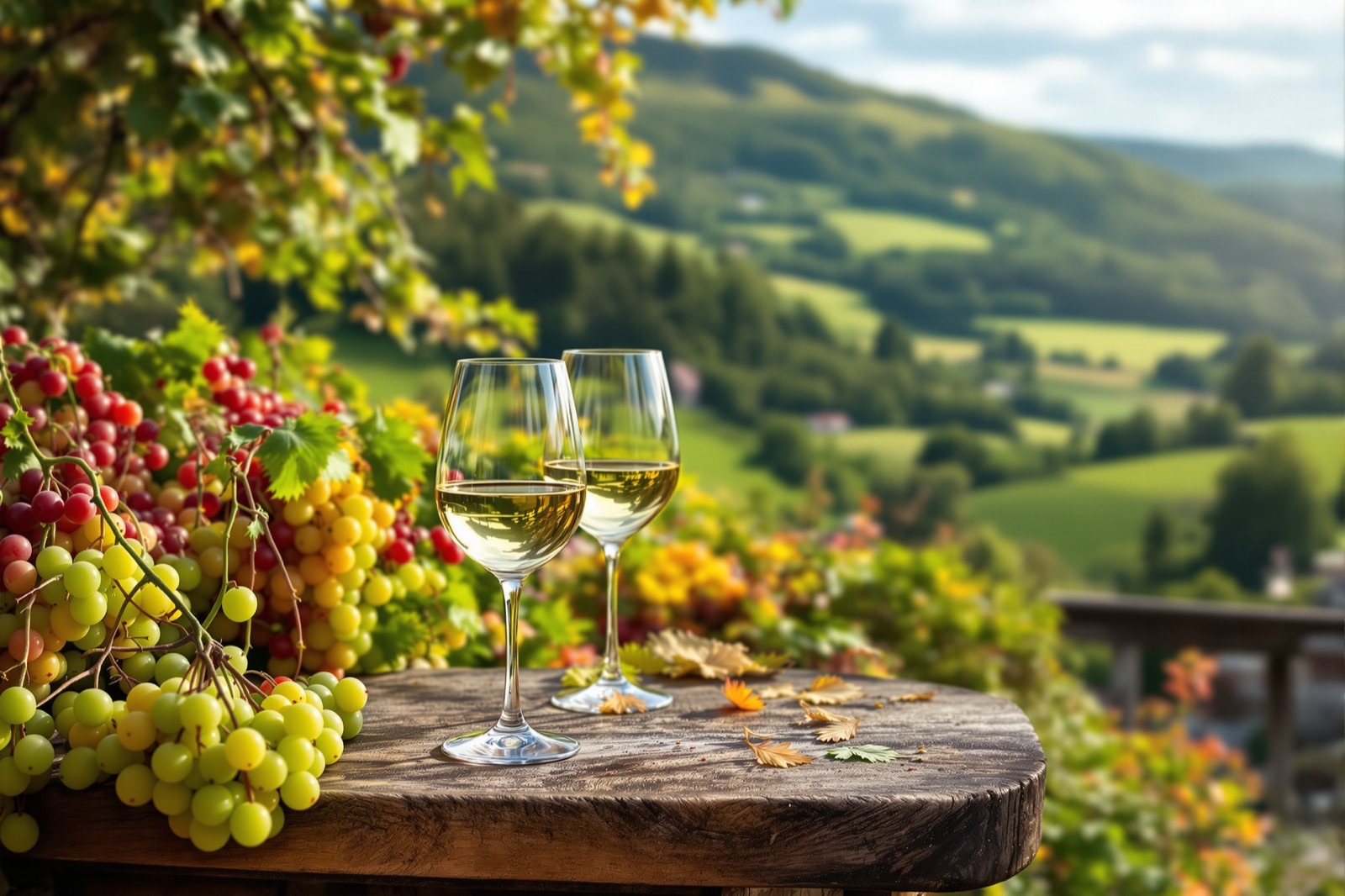
The region's proximity to Germany also influences its brewing and distilling traditions. Alsace produces excellent beer – clean, crisp lagers that pair beautifully with choucroute and other rich dishes. Meanwhile, both regions produce fruit brandies from local orchards. A small glass of mirabelle or pear eau-de-vie makes the perfect digestif after a substantial meal.
To truly appreciate this cuisine, visit during autumn when harvest festivals celebrate local produce. Markets overflow with seasonal specialties, restaurant menus feature game dishes, and the air carries hints of wood smoke from cozy restaurant hearths. Village festivals often feature communal cooking of traditional dishes, offering visitors a chance to see authentic techniques in action.
The beauty of Alsace-Lorraine cuisine lies in its honesty. These aren't dishes designed to impress with complexity or exotic ingredients. Instead, they represent generations of cooks making the most of what their land provides, creating food that nourishes both body and soul. Whether you're sampling a slice of perfect quiche in Nancy or sharing a crock of baeckeoffe in a Strasbourg winstub, you're experiencing a cuisine that tells the story of its people – resilient, resourceful, and deeply connected to their land.
Ready to plan your French escape?
Browse our hand-picked gîtes and villas across France — book directly with owners, no booking fees.
Browse all gîtes in France