The Brittany Town of Lorient
Featured gîtes in Brittany
Where the Scorff and Blavet rivers meet the Atlantic, Lorient stands as one of Brittany's most compelling maritime destinations. This dynamic port town weaves together centuries of seafaring tradition with contemporary cultural energy, creating an atmosphere that feels both historically rooted and refreshingly alive.
The scent of salt air mingles with coffee aromas from waterfront cafés as you explore Lorient's rebuilt centre. Though extensively reconstructed after wartime destruction, the town radiates authentic character through its wide boulevards, modern architecture that respects the coastal setting, and the constant presence of working boats alongside pleasure craft in the harbour.
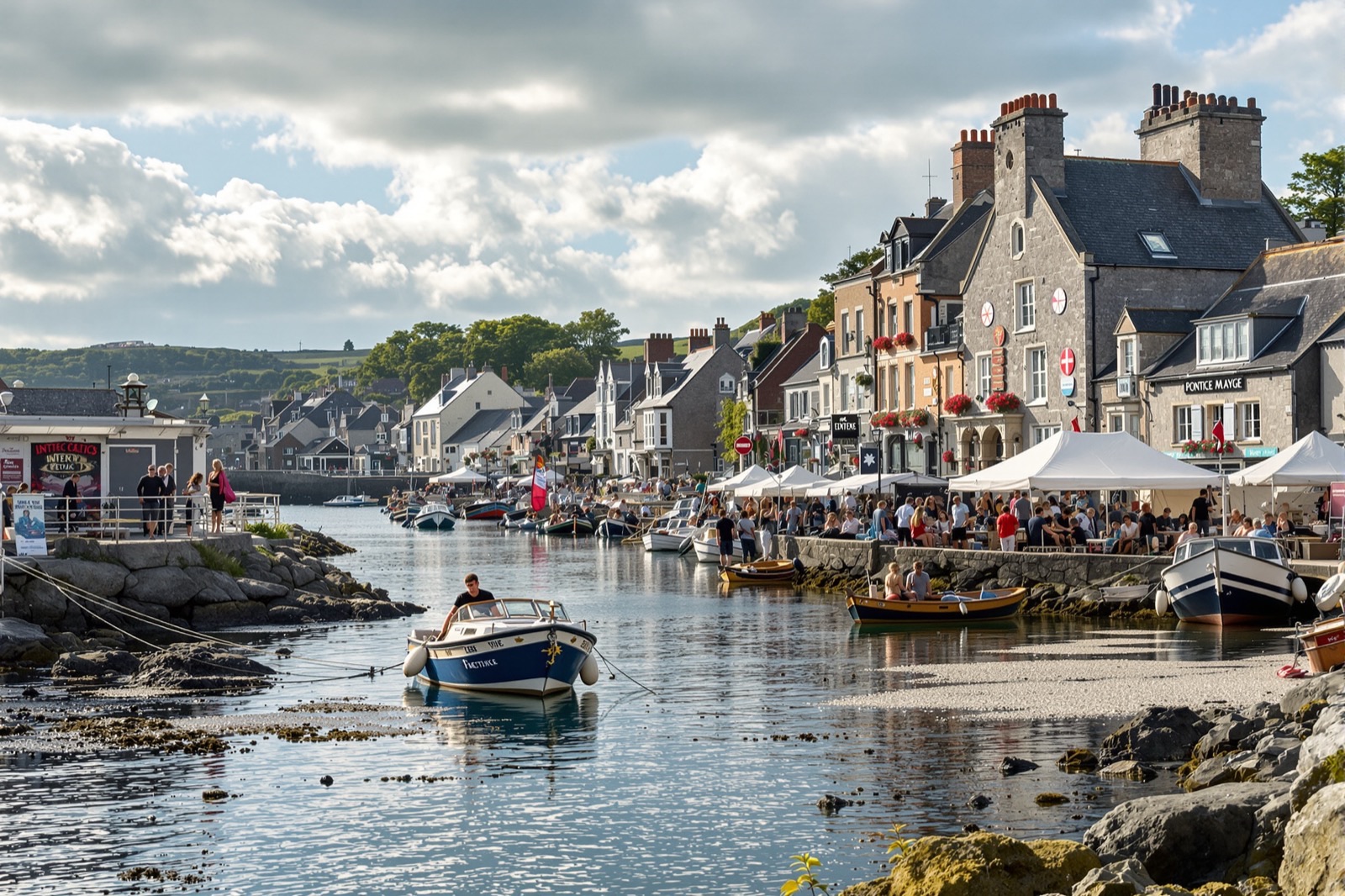
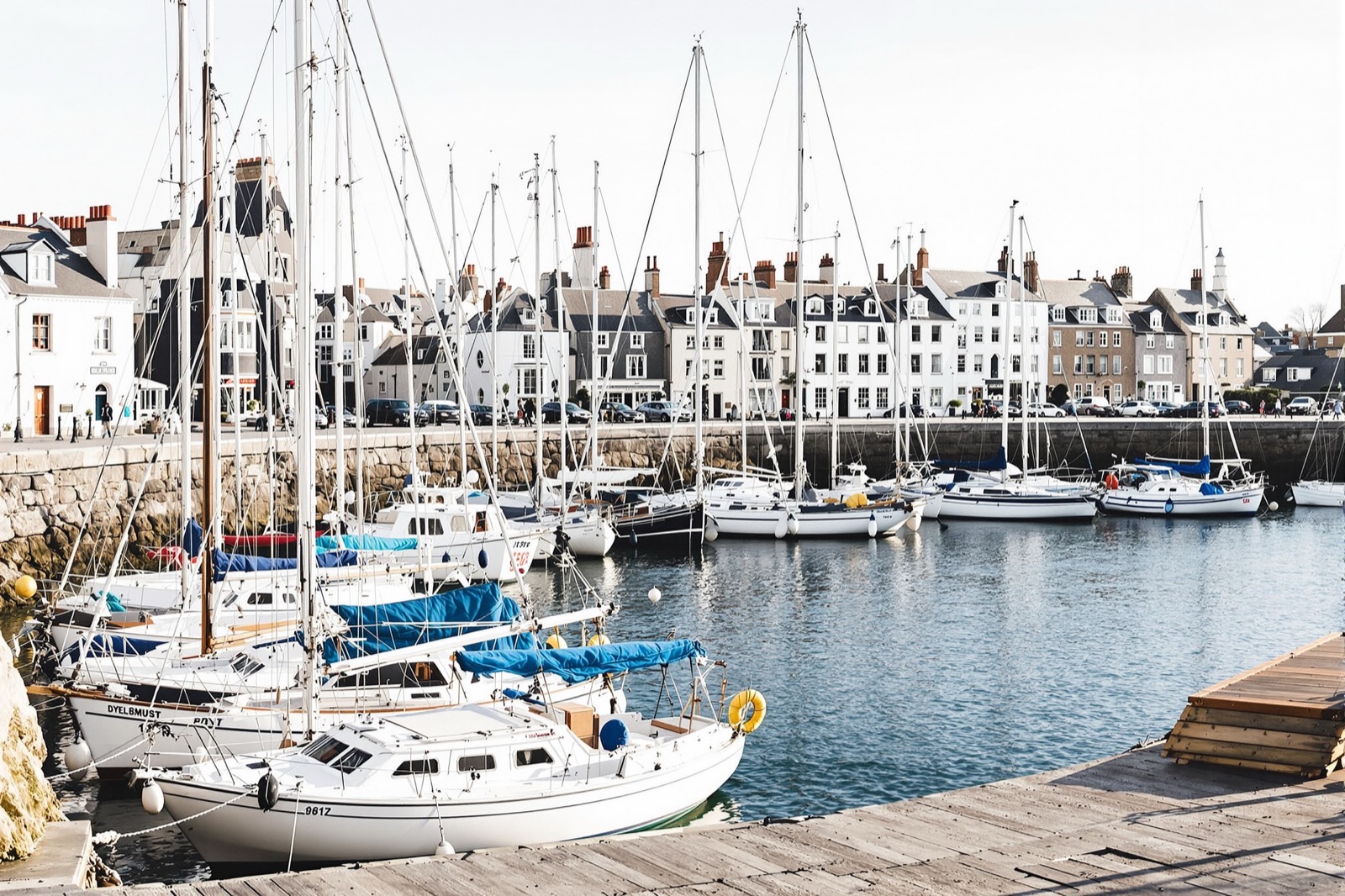
Your senses will be immediately drawn to the marina area, where the gentle percussion of rigging against masts provides a constant soundtrack. The harbour transforms throughout the day: morning brings the purposeful activity of fishing boats returning with their catch, while evening sees crews preparing sleek racing yachts for dawn departures. The sight of these vessels against the backdrop of Lorient's rebuilt facades creates a uniquely French fusion of pragmatism and beauty.
For an extraordinary journey into maritime history, visit the submarine base complex where concrete bunkers once sheltered German U-boats. Today, these imposing structures house the Cité de la Voile Eric Tabarly and the submarine Flore-S645, where you can duck through narrow passages and experience the cramped reality of underwater naval service. The contrast between these claustrophobic interiors and the vast ocean beyond is striking and memorable.
Across the bay, the star-shaped fortifications of Port-Louis create a dramatic silhouette. This 17th-century citadel, named for Louis XIII, once served as headquarters for the Compagnie des Indes Orientales, France's ambitious trading venture with the East. Within its angular walls, two exceptional museums reveal stories of naval warfare and maritime commerce that shaped this coastline for centuries.
The coastal delights extend beyond Lorient's harbour limits. Just minutes away, Larmor-Plage offers a perfect blend of seaside relaxation and local culture. The Sunday morning market here fills the air with the calls of vendors selling everything from just-caught langoustines to locally-grown artichokes. The beachfront restaurants serve some of Brittany's finest seafood – try the plateau de fruits de mer while watching sailing boats navigate the bay.
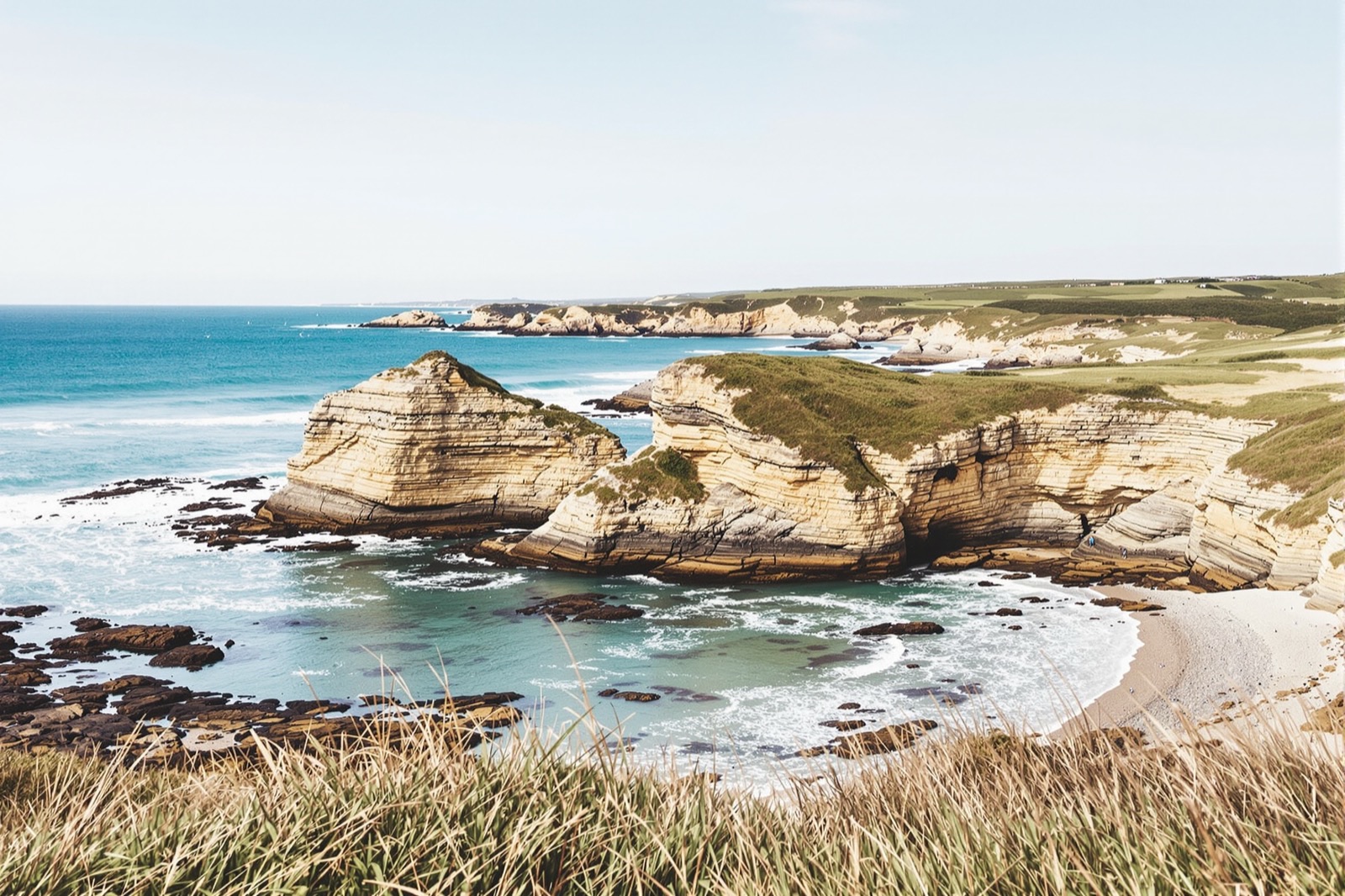
Adjacent Plage de Locqueltas presents a completely different coastal experience. This expansive sandy beach, backed by rolling dunes dotted with sea grass, feels almost wild. At low tide, rocky pools emerge like natural aquariums, perfect for children to discover crabs and anemones while adults appreciate the dramatic interplay of sand, stone, and sky.
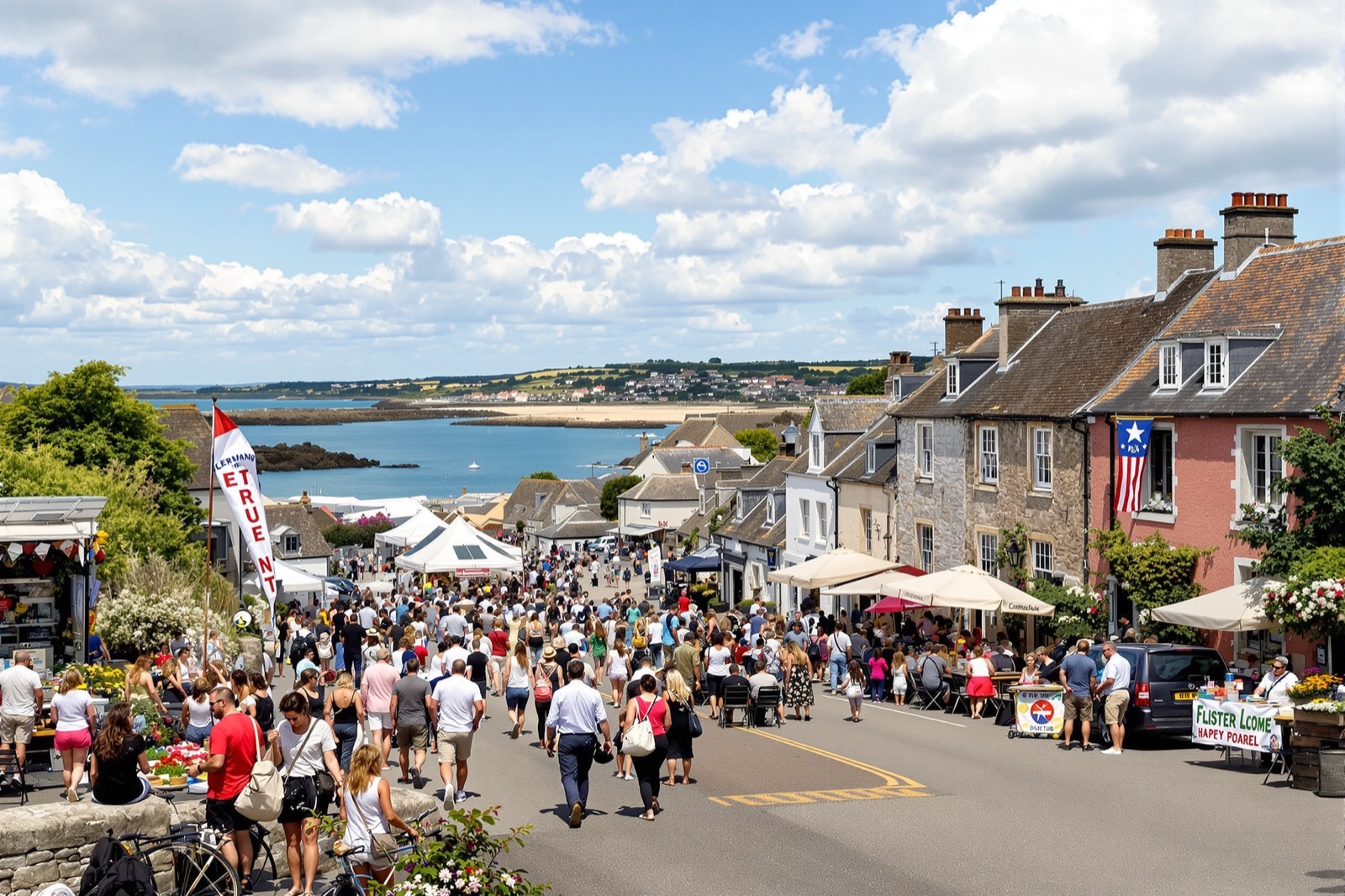
During late summer, Lorient undergoes a remarkable transformation when the Festival Interceltique brings together musicians, dancers, and cultural enthusiasts from across the Celtic world. The town pulses with the rhythms of Breton bagpipes, Irish fiddles, and Scottish drums. Spontaneous performances erupt in squares and along the waterfront, while the festival's main venues showcase everything from traditional sean-nós singing to contemporary Celtic fusion.
Even outside festival time, Lorient's musical heritage remains palpable. Local bars often feature traditional Breton music sessions, and the influence of Celtic culture appears in everything from street art to restaurant menus featuring both French and Breton specialities.
A short boat journey from Lorient's harbour transports you to Île de Groix, where time moves at island pace. The crossing itself offers splendid views back toward the mainland, with Lorient's harbour mouth framed by coastal fortifications. Once ashore, you'll find an island that has successfully balanced preservation with gentle tourism development.
Groix rewards exploration on foot or bicycle. The island's varied coastline includes sheltered sandy coves on the southern shore and dramatic clifftop paths along the Atlantic-facing north coast. The main village, Port-Tudy, retains its fishing harbour atmosphere despite the arrival of day-trippers. Local restaurants serve exceptional seafood – the island's tuna fishing heritage lives on in dishes that showcase the catch in both traditional and innovative preparations.
The island's interior reveals a landscape of heath and grassland punctuated by traditional Breton stone buildings. Walking paths lead to viewpoints where you can observe seabirds and, on clear days, spot the distant outlines of other Breton islands dotting the horizon.
Back on the mainland, Lorient's position makes it an excellent base for exploring Morbihan's diverse attractions. The mysterious megalithic sites around Carnac lie within easy reach, as do the charming medieval streets of Vannes and the dramatic coastline of the Quiberon peninsula.
Throughout your stay, you'll discover that Lorient embodies a particular French approach to coastal living – one that embraces both maritime tradition and contemporary culture without sacrificing either. Whether you're sampling local oysters at a harbourside brasserie, exploring wartime history in converted bunkers, or simply watching the interplay of light and water from the harbour walls, Lorient reveals itself as a town confident in its identity and generous in sharing it with visitors.
Ready to plan your French escape?
Browse our hand-picked gîtes and villas across France — book directly with owners, no booking fees.
Browse all gîtes in Brittany