Out and about in St Malo
Featured properties matching this guide
5 matching properties
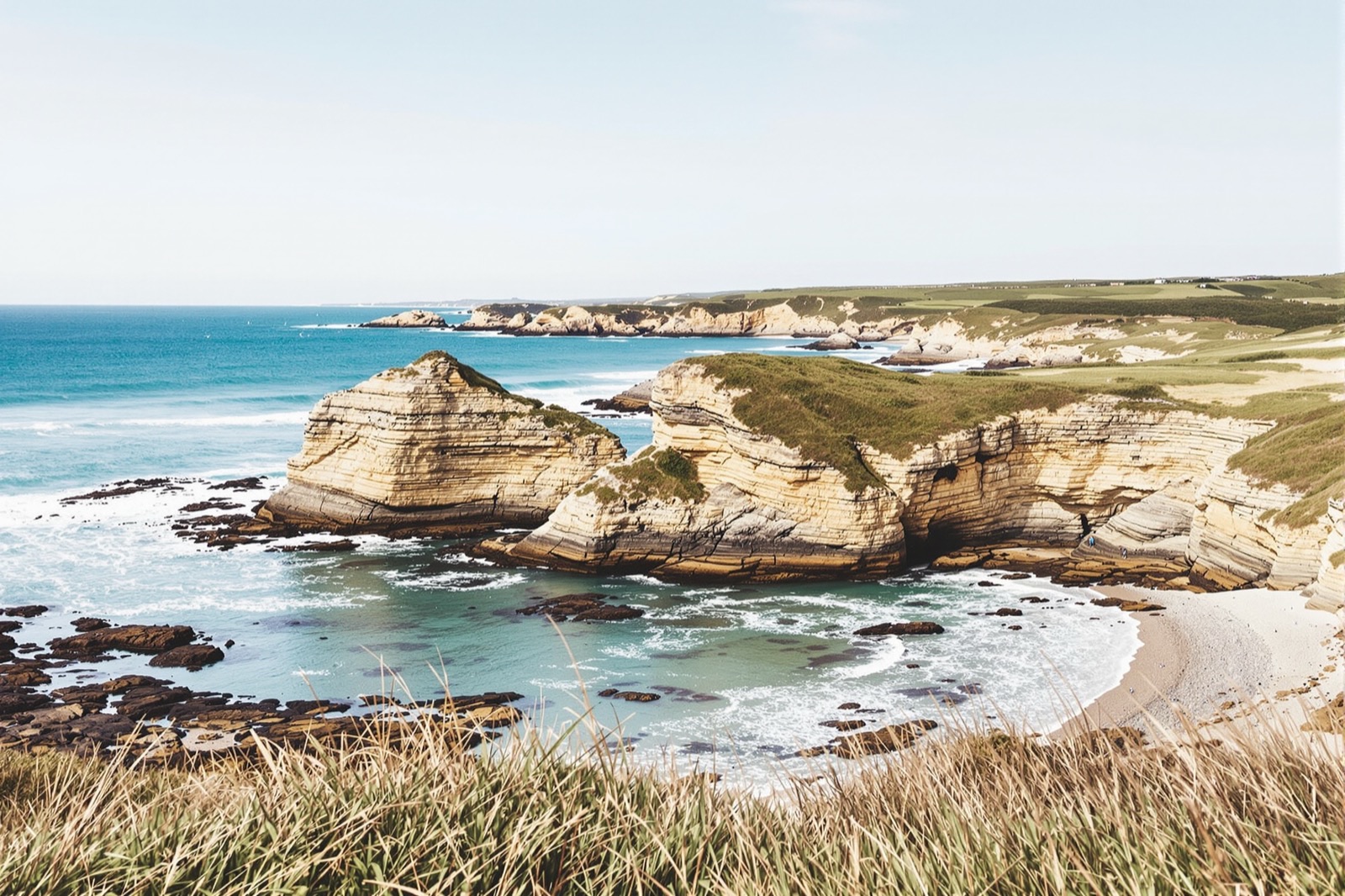
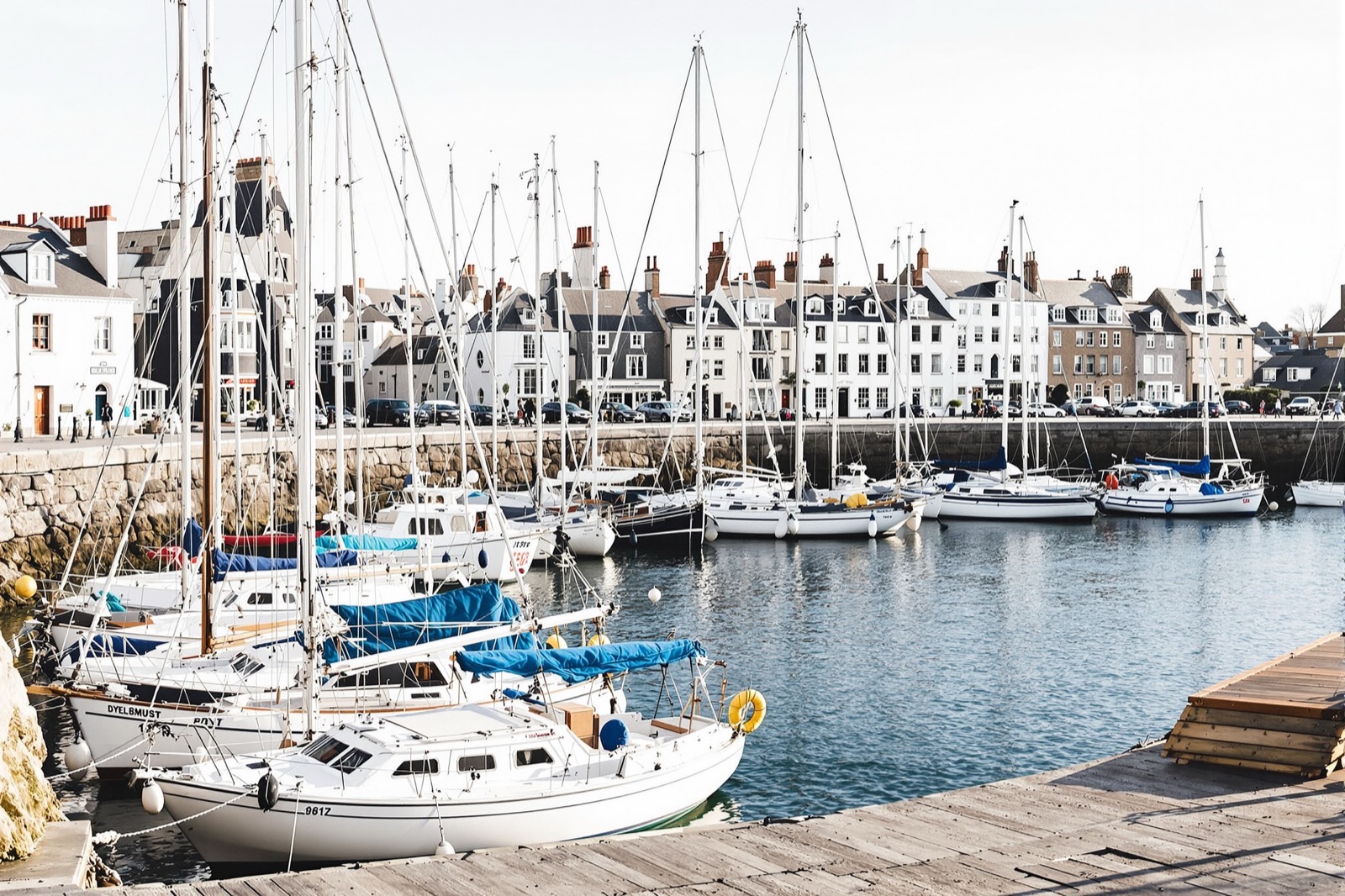
Standing sentinel at the mouth of the Rance River, St Malo commands attention like few other French coastal towns can. This granite-built fortress city has watched over Breton waters for centuries, and today its ancient ramparts enclose a maze of cobbled streets where the scent of buckwheat galettes drifts from creperies and the cries of wheeling gulls echo off weathered stone walls.
The intra-muros—the walled old town—reveals itself best on foot. Start your exploration at Porte Saint-Vincent, the main gateway, where massive stone fortifications immediately dwarf modern concerns. The ramparts themselves offer the perfect introduction: a complete circuit takes about an hour, but you'll want longer to absorb the views. To the north, the English Channel stretches endlessly, whilst southward the Rance estuary curves towards Dinard. At high tide, waves crash against the fortress walls with surprising force, sending salt spray across the walkways.
Within these protective walls, Place Chateaubriand forms the heart of the old quarter. Here, tall granite houses with their distinctive steep roofs create intimate squares where locals gather at outdoor cafes. The cathedral of Saint-Vincent rises nearby, its mixture of architectural styles telling the story of St Malo's turbulent past—much of the old town was rebuilt after wartime destruction, yet craftsmen recreated the medieval atmosphere with remarkable fidelity.
The Grand Aquarium provides St Malo's most popular family attraction, and rightly so. Beyond its striking modern architecture lies an underwater world that captivates visitors of all ages. The circular tank—the Anneau—surrounds you with 600,000 litres of seawater where sharks, rays, and countless tropical fish glide past at eye level. Children press their faces against the glass in wonder whilst adults find themselves equally mesmerised by the hypnotic movements. The touch pools allow closer encounters with gentler sea creatures, and the nautibus submarine simulator adds adventure to education.
For a different pace, the Chateau de St Malo houses the city's history museum within its ancient keep. Climbing the spiral stone staircase, you'll discover the extraordinary story of St Malo's corsairs—licensed pirates who made the city wealthy through centuries of maritime adventure. The exhibits trace local history from Celtic settlements through to modern times, but it's the corsair era that truly captures imagination. From the castle's towers, panoramic views reveal why this location proved so strategically important.
St Malo's culinary scene centres around Breton specialities that have remained unchanged for generations. Galettes—savoury buckwheat pancakes—appear on virtually every corner, filled with local ham, cheese, and eggs. The nutty flavour of buckwheat flour creates the perfect canvas for these traditional toppings. Sweet crepes follow naturally, often accompanied by Breton cider whose slight effervescence cuts through rich butter and sugar. Many creperies occupy medieval cellars where stone walls and low ceilings create intimate dining spaces.
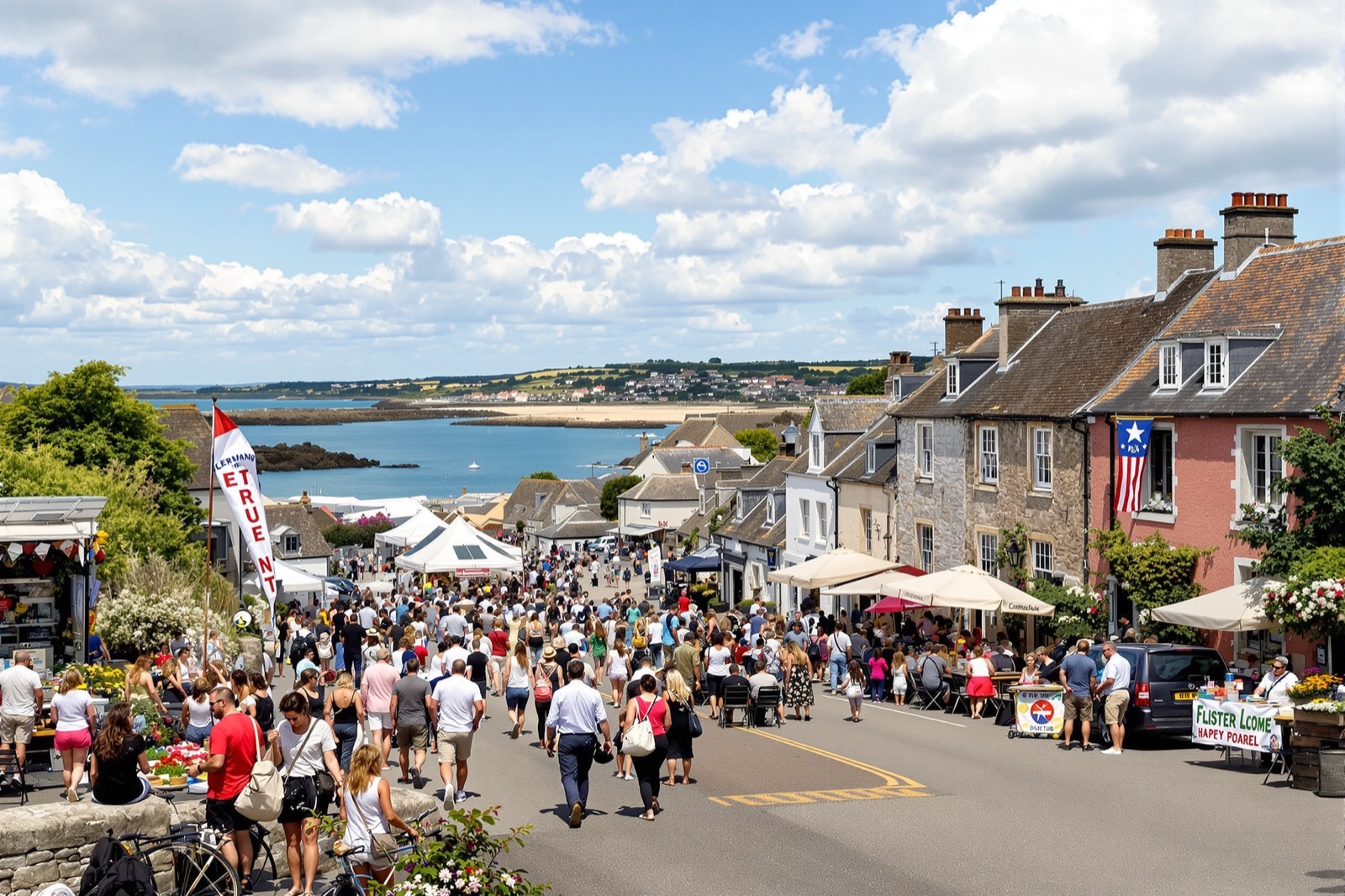
The covered market at Halle au Ble showcases regional produce at its finest. Vendors arrange pyramids of Brittany's famous artichokes alongside strings of pink shallots and wheels of creamy Saint-Nectaire cheese. Fresh oysters from nearby Cancale arrive daily, their briny sweetness capturing the essence of these northern waters. Local honey, often flavoured with buckwheat or heather, provides the perfect souvenir for those staying in self-catering accommodation.
Shopping in St Malo rewards those who venture beyond the obvious tourist outlets. Rue Saint-Vincent and its surrounding streets hide genuine treasures: bookshops specialising in maritime history, boutiques selling hand-knitted Breton sweaters with their distinctive patterns, and artisan workshops where you can watch craftspeople creating everything from ship models to Celtic jewellery. The scent of fresh bread draws visitors to traditional boulangeries where kouign-amann—Brittany's buttery pastry creation—emerges from ovens throughout the day.
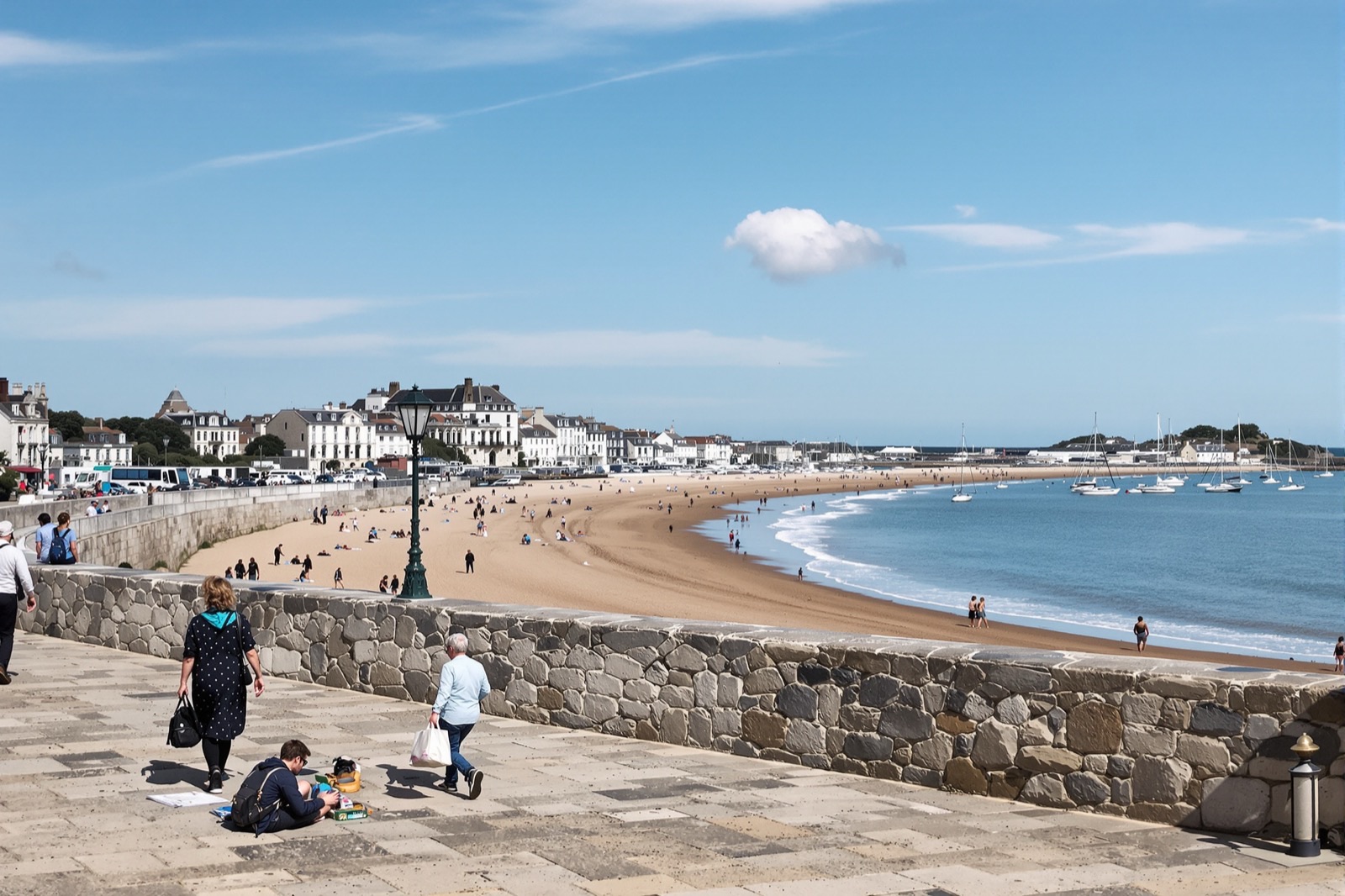
Beyond the ramparts, Sillon Beach stretches northward in a golden arc. At low tide, the sand extends far enough for comfortable walks whilst rock pools reveal miniature ecosystems. Swimming remains popular during warmer months, though the English Channel keeps water temperatures refreshingly brisk even in summer. The Grand Be island becomes accessible at low tide via a natural causeway, offering peaceful walks and the tomb of Chateaubriand, St Malo's most famous literary son.
Evening in St Malo brings particular magic. As day-trippers depart, the old town regains an almost medieval quiet broken only by the sound of waves and the gentle chiming of church bells. Restaurant terraces fill with diners savouring platters of fresh seafood whilst the setting sun turns granite walls to gold. Local bars serve Breton beer and cider to appreciative crowds who spill onto narrow streets as night falls.
Ferry connections make St Malo particularly accessible for British visitors, with regular sailings creating a seamless link between Portsmouth and this corner of Brittany. The town serves as an ideal base for exploring the wider region, from the dramatic coastline of Cap Frehel to the medieval streets of Dinan, yet St Malo itself offers enough attractions and atmosphere to fill several days of any Breton adventure.
Ready to plan your French escape?
Browse our hand-picked gîtes and villas across France — book directly with owners, no booking fees.
Browse all gîtes in BrittanyOn the map
5 matching properties across France — click a marker for details.