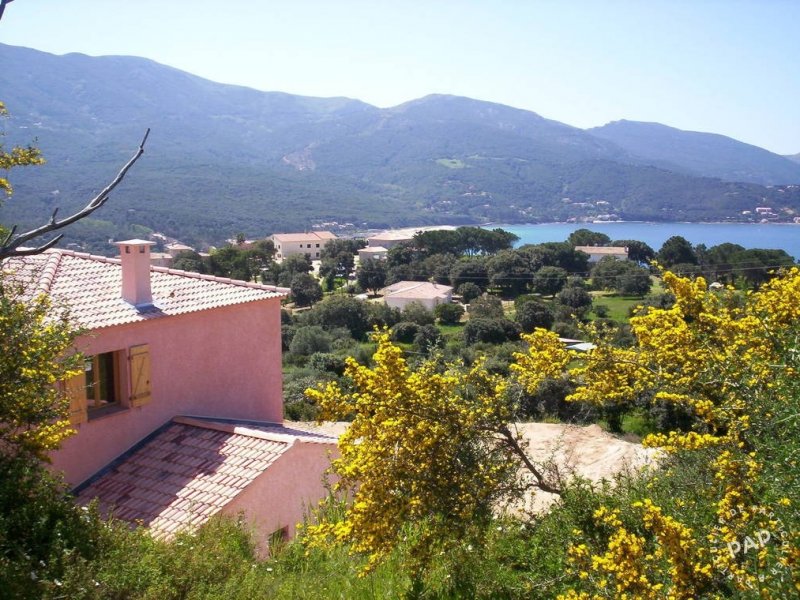
Porto-Vecchio sits on Corsica's southeastern coast, a town whose old citadel overlooks a marina and a stunning stretch of coastline famous for white-sand beaches and turquoise water. It's quieter than the French Riviera but delivers the same clarity of light and warmth, with a distinctly Corsican edge: granite mountains inland, maquis-scented hillsides, and a slower pace once you leave the summer buzz of the harbour.
British and European visitors fly into Ajaccio or Bastia—both under an hour and a half by car—and find a base that works for beach days, mountain walks, and exploring the island's southern tip. The self-catering rentals nearby give you freedom to move at your own rhythm, whether that means early swims at Santa Giulia or evening markets in the old town.
No gîtes listed near Porto-Vecchio — yet
We're actively building our coverage in this area. In the meantime:
About Porto-Vecchio
Porto-Vecchio began as a Genoese stronghold in the 16th century, built to control the salt trade and defend against Barbary raids. The Citadelle de Porto-Vecchio still commands the high ground, its ramparts enclosing narrow streets, cafés, and small shops that open onto sudden views of the gulf below. The town has grown since, but the citadel remains the heart, especially in the evenings when locals gather on the squares.
The coastline is the main draw. Within 20 minutes' drive you'll find a succession of beaches—some busy, some reached only by footpath—each with different character. Plage de Santa Giulia is a wide crescent of pale sand in a shallow bay, popular with families. Plage de Tamaricciu is smaller, backed by pines, and consistently well-regarded. Further south, Plage de Piantarella faces the Îles Cerbicale, and the water stays knee-deep for 50 metres out.
Inland, the landscape shifts quickly to forest and granite gorges. The Piscines Naturelles de Cavu are a series of rock pools in a river valley, reached by a short walk from a roadside car park. The Cascade de Piscia di Ghjaddu is a two-hour round hike through cork oak and chestnut to a waterfall that runs strong in spring. Both are busy in July and August, manageable outside those months.
Things to do near Porto-Vecchio
Plage de Santa Giulia is the most visited beach in the area, a sheltered bay with fine sand and shallow, clear water that suits young children and windsurfers alike. Plage de Tamaricciu, a few kilometres north, is quieter and backed by umbrella pines; it has a high rating for good reason. La Plage de Saint Cyprien is broader and more exposed, with space even in peak season, while Plage de Canella offers a smaller cove with rockier edges and snorkelling potential.
The Citadelle de Porto-Vecchio is worth an hour's wander. The fortifications are intact, the views over the harbour are wide, and the streets inside hold a few decent restaurants and craft shops. For a more demanding outing, the Escalier du Roy d'Aragon is a steep staircase carved into the cliffs near Bonifacio, 30 minutes south by car—187 steps down to sea level, with views that justify the climb back up.
Inland, the Piscines Naturelles de Cavu draw swimmers to a series of natural pools in a river gorge, shaded and cold even in summer. The Cascade de Piscia di Ghjaddu involves a longer walk but rewards with a high waterfall and fewer crowds, especially if you go early or late in the day.
Typical climate
Typical weather
Monthly averagesOn the map
Food & drink
Corsican food leans on charcuterie, chestnuts, and strong cheeses. Lonzu, coppa, and figatellu are cured pork staples; brocciu is a fresh ewe's-milk cheese used in everything from omelettes to pastries. Local wines—Patrimonio and Ajaccio appellations—are worth trying, often made from Nielluccio and Sciaccarellu grapes that don't travel far from the island.
Casa Corsa in Porto-Vecchio has a strong reputation for regional cooking, with a rating of 4.7 and a menu that changes with what's available. Markets in the old town run several mornings a week in summer, selling produce, honey, and prepared charcuterie. Supermarkets like Carrefour Market cover basics, though the rating suggests it's functional rather than inspiring. For provisions with more character, look for smaller grocers near the citadel or along the coast road.
Getting there
Ajaccio airport is 54 kilometres west, roughly an hour and a quarter by car along the N196. Bastia airport is 69 kilometres north, about an hour and a half via the eastern coast route. Both airports are served by budget carriers and seasonal flights from the UK. If you're driving from mainland France, the ferry crossing from Marseille, Toulon, or Nice lands at Ajaccio or Bastia; reckon on a full day's travel door to door.
Eurostar to Paris Gare du Nord is 974 kilometres away, which makes it impractical unless you're combining Corsica with a longer French trip. The most sensible route for British visitors remains a flight to one of the island's airports, then a hire car for the final leg and the freedom to explore beyond Porto-Vecchio itself.