An Introduction to Alsace
Featured gîtes in France
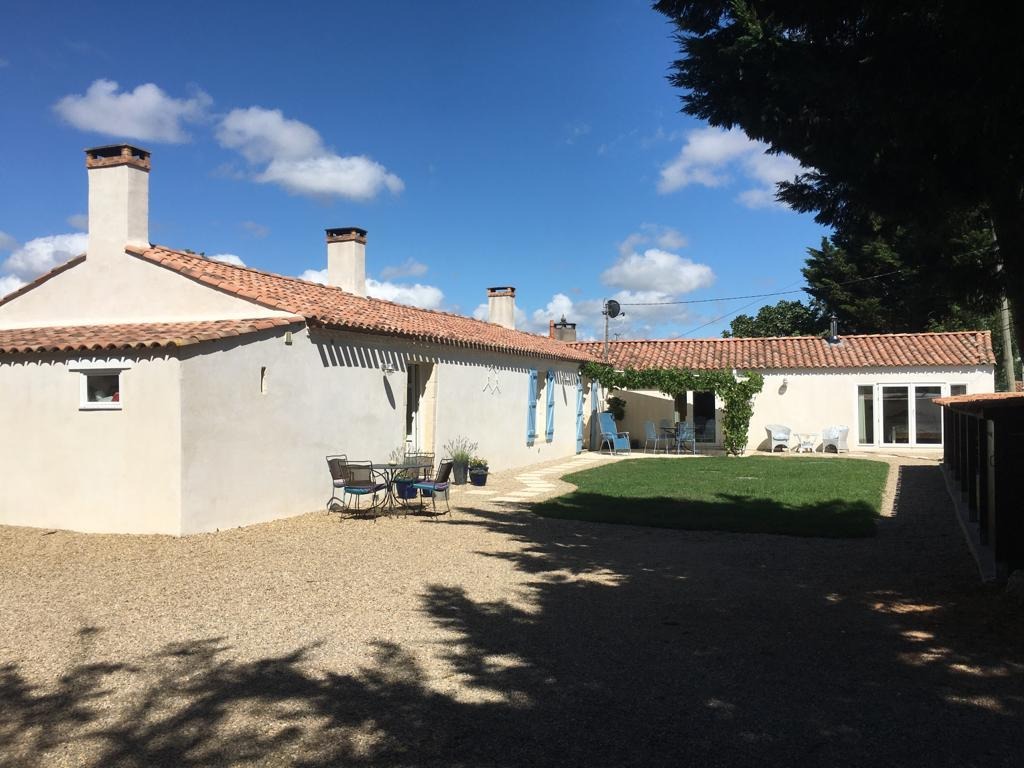
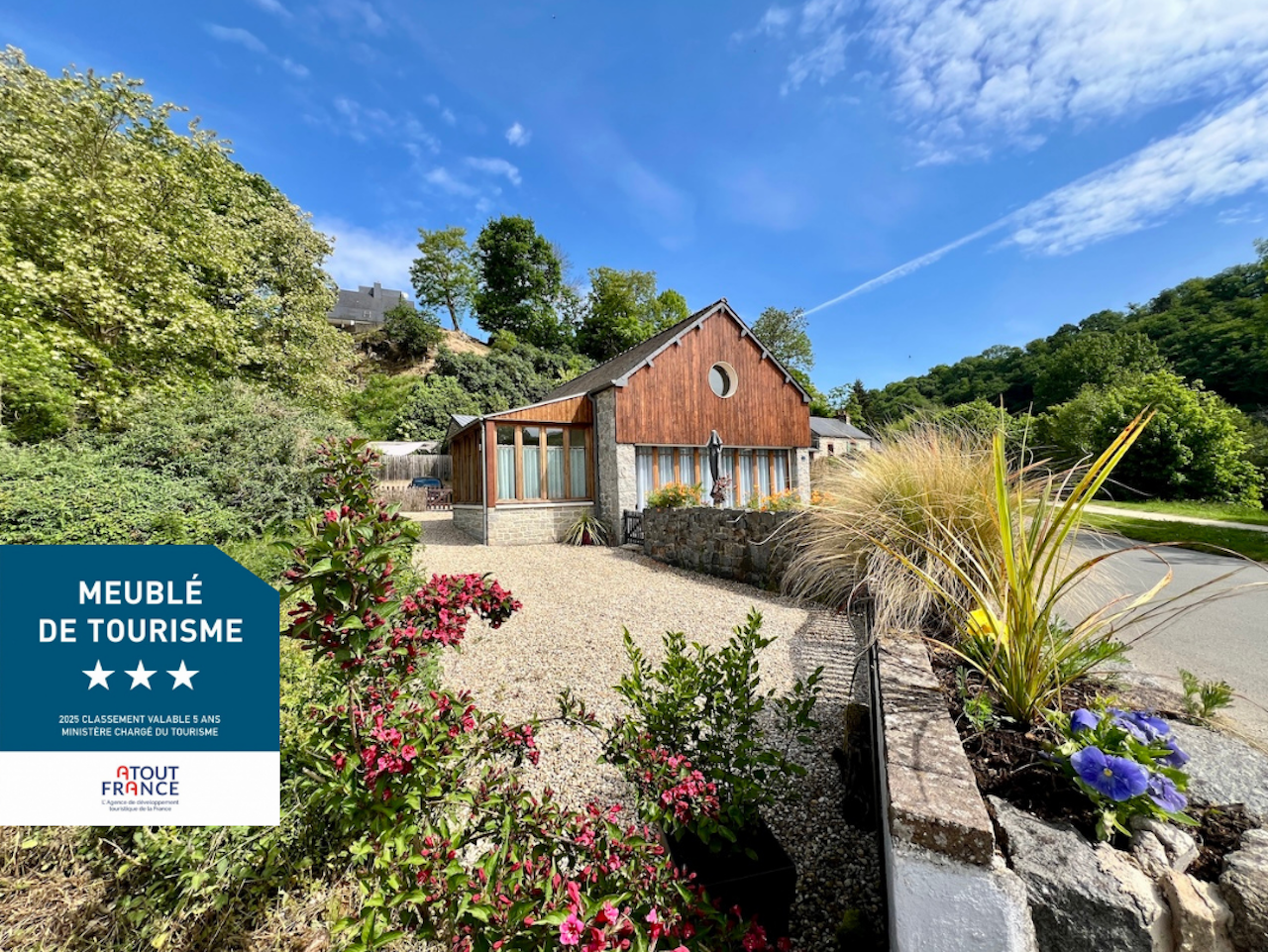
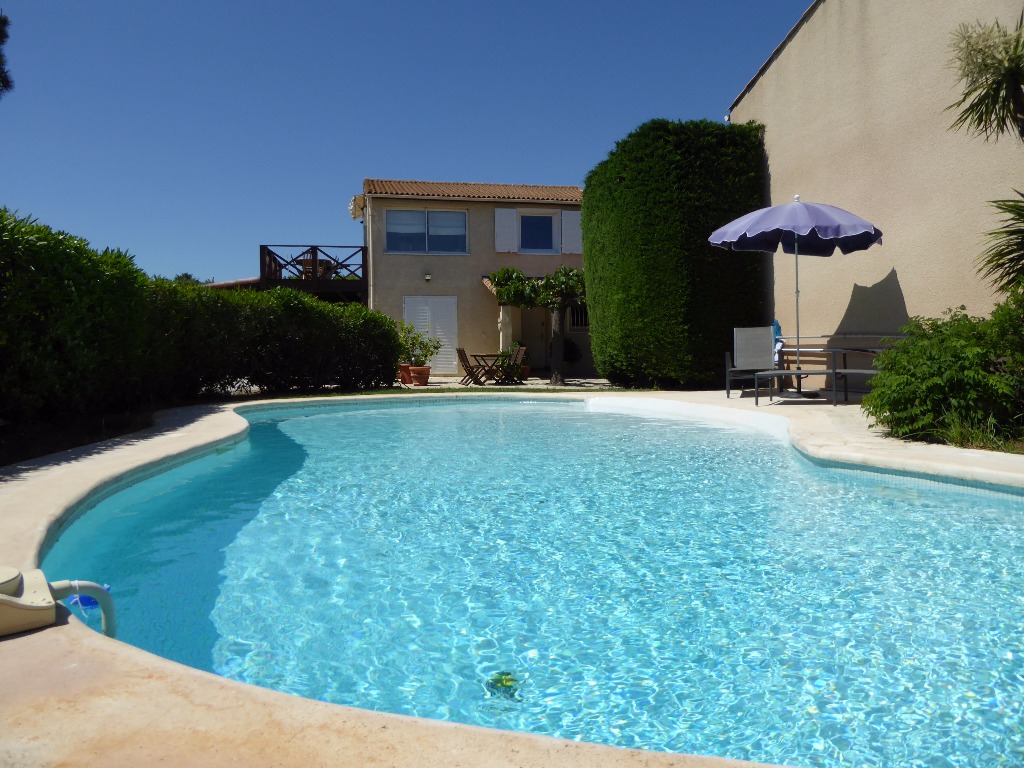
Nestled between the rolling Vosges mountains and the mighty Rhine, Alsace feels like nowhere else in France. This enchanting region, where church bells chime across valleys dotted with vineyards, carries the intoxicating scent of fermenting grapes and the sound of clinking beer steins in equal measure. Here, French joie de vivre dances with German gemütlichkeit, creating something utterly unique.
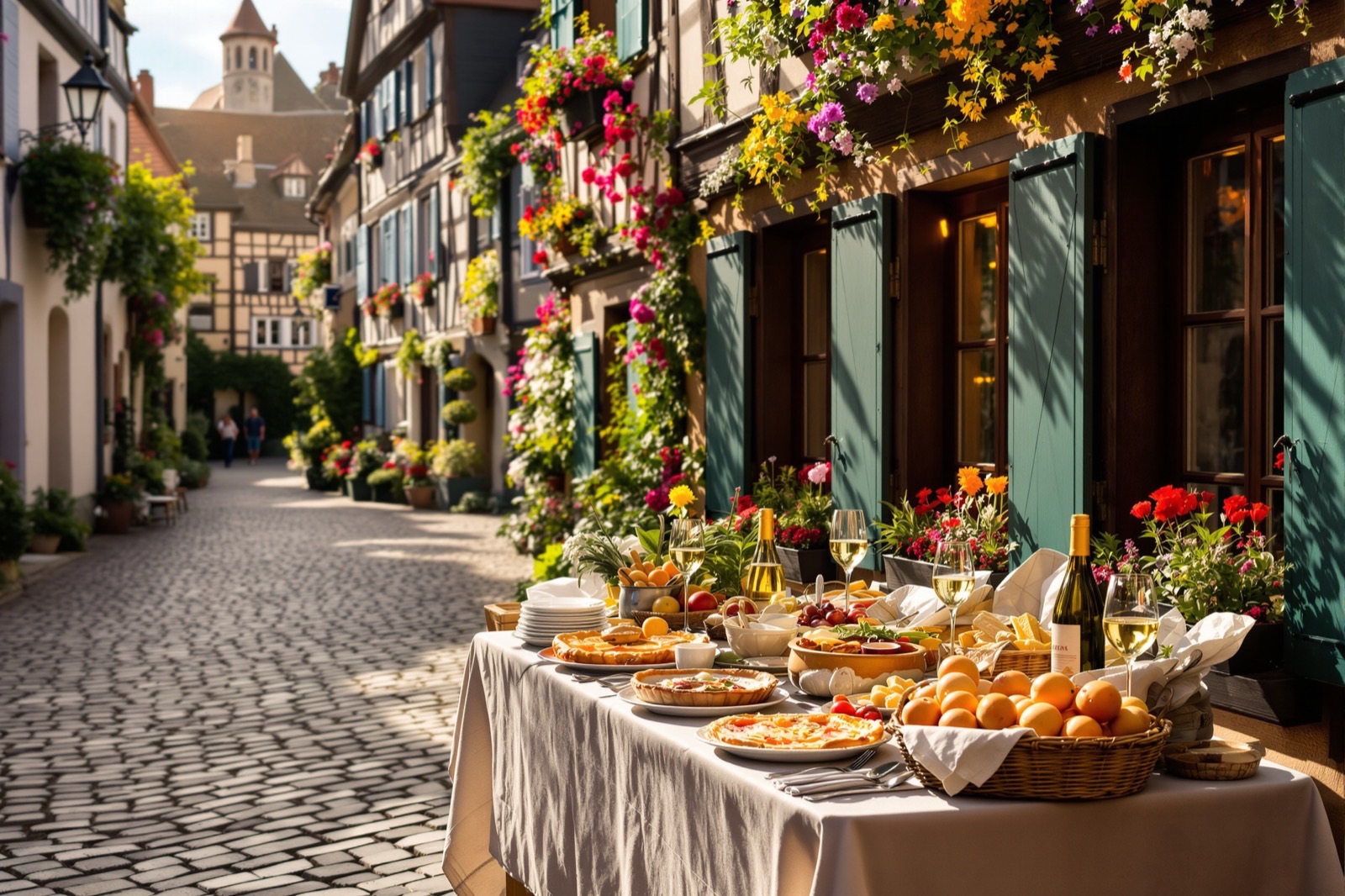
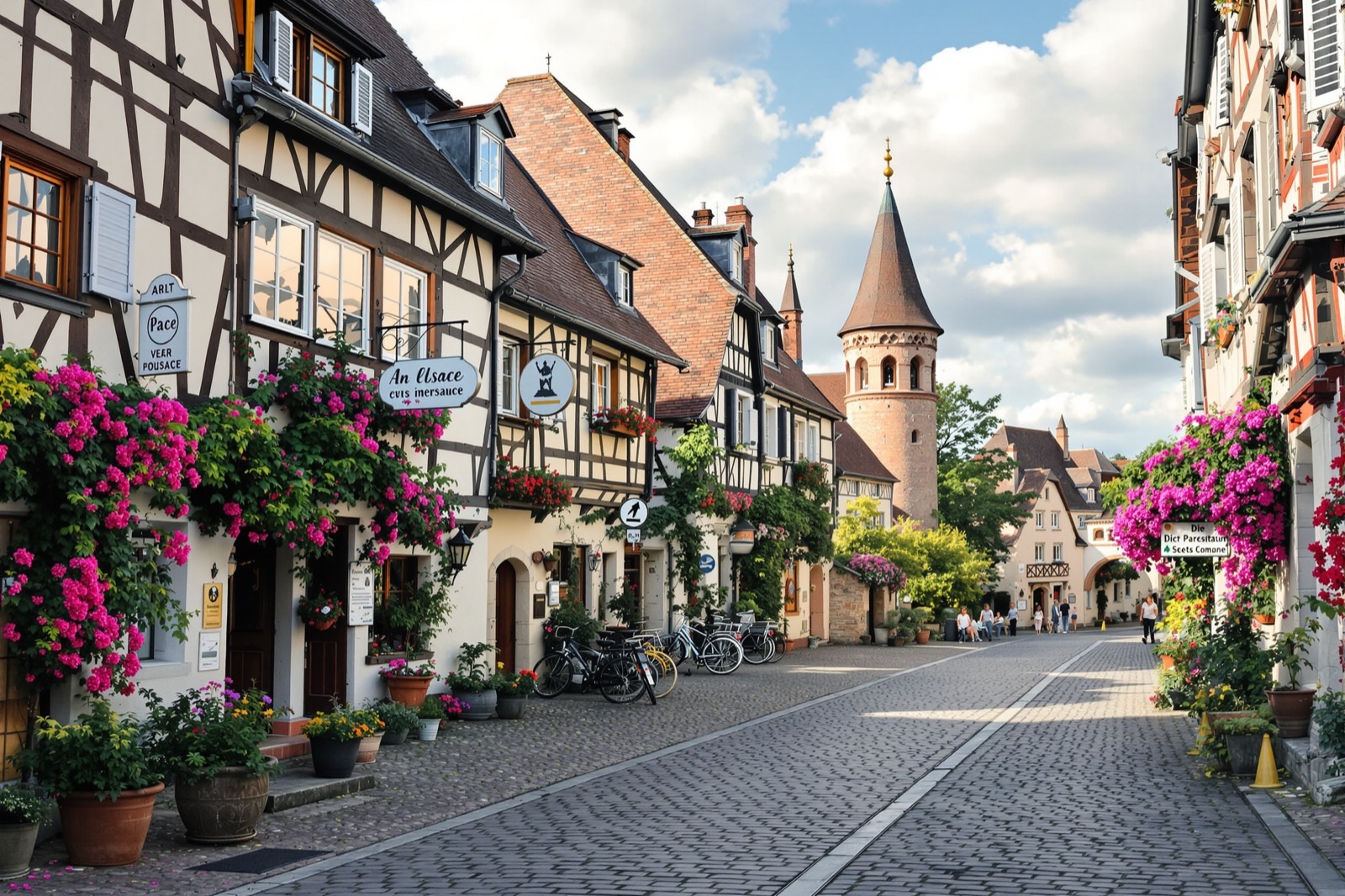
The moment you arrive, you'll notice something magical in the air. Village streets wind between timber-framed houses painted in candy-box colours – sunshine yellow, wine red, forest green – their flower boxes spilling over with geraniums. The architecture tells the story of a region that has changed hands many times, each transition leaving its mark in Gothic spires, baroque facades, and distinctive Germanic gables that seem to lean in conspiratorially over cobbled squares.
Strasbourg, the region's crown jewel, pulses with European significance as home to the European Parliament. But beyond its political importance lies a city that smells of Christmas spice and sounds of cathedral bells. The magnificent Gothic cathedral dominates the skyline, its single spire reaching toward heaven while its astronomical clock draws crowds with its elaborate mechanical ballet performed daily at half past twelve. Wander through Petite France, where medieval tanners' houses reflect in canal waters, and you'll hear the gentle lap of water against ancient stone and catch the aroma of choucroute garnie wafting from traditional winstubs.
Don't overlook Colmar, often called the capital of Alsatian wine. This impossibly charming town feels like stepping into a fairy tale, with its Little Venice quarter where gondola-like boats drift along flower-lined canals. The covered market here bursts with local produce – wheels of Munster cheese so pungent you can smell them from streets away, baskets of mirabelle plums that taste like liquid sunshine, and bottles of gewürztraminer that capture the essence of Alsatian summers.
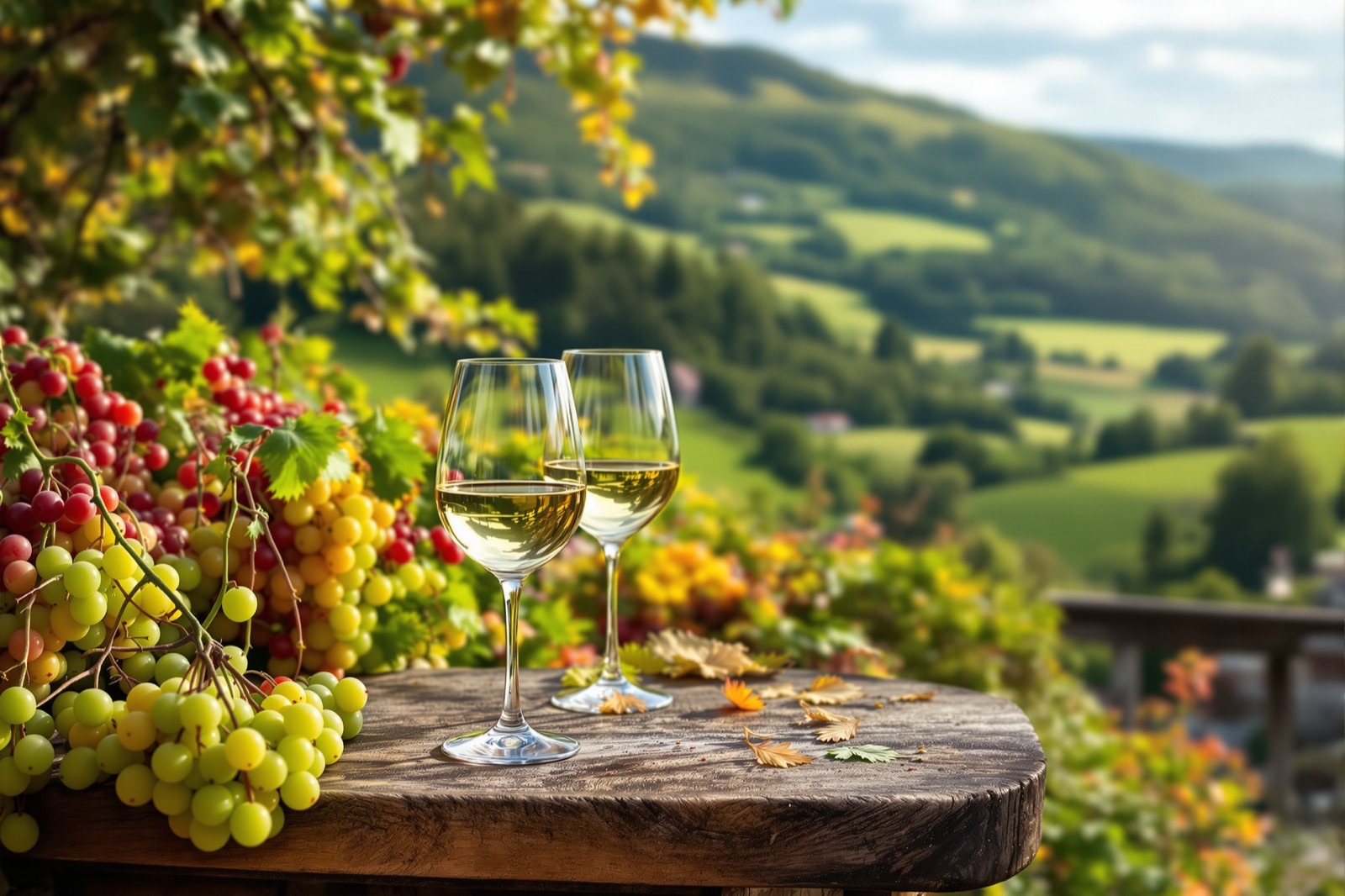
The famous Route des Vins d'Alsace stretches for 170 kilometres through some of France's most stunning vineyard landscapes. Villages like Riquewihr and Kaysersberg seem frozen in time, their medieval walls enclosing streets where wine cellars have operated for centuries. In these dim, cool spaces, the air is thick with the earthy sweetness of aging riesling and pinot gris. Local vignerons will guide you through tastings that reveal why Alsatian whites are among the world's most food-friendly wines.
Mulhouse might not have the immediate charm of its smaller neighbours, but this former textile powerhouse offers unexpected treasures. The Cité de l'Automobile houses the world's largest collection of vintage cars, while the railway museum will have train enthusiasts drooling over steam engines and luxury carriages. The city's industrial heritage has been transformed into cultural spaces where you can spend hours exploring, then retreat to traditional restaurants serving hearty portions of baeckeoffe – the slow-cooked casserole that sustained textile workers through long winter days.
Speaking of food, Alsatian cuisine is comfort eating at its finest. The famous choucroute garnie arrives at your table steaming, its fermented cabbage tangy and sharp, accompanied by an array of sausages and cured meats that would make any German proud. Tarte flambée, the region's answer to pizza, emerges from wood-fired ovens with its wafer-thin base topped with crème fraîche, onions, and lardons. Wash it down with a glass of local beer – Kronenbourg may be the famous name, but small breweries throughout the region craft exceptional lagers and wheat beers.
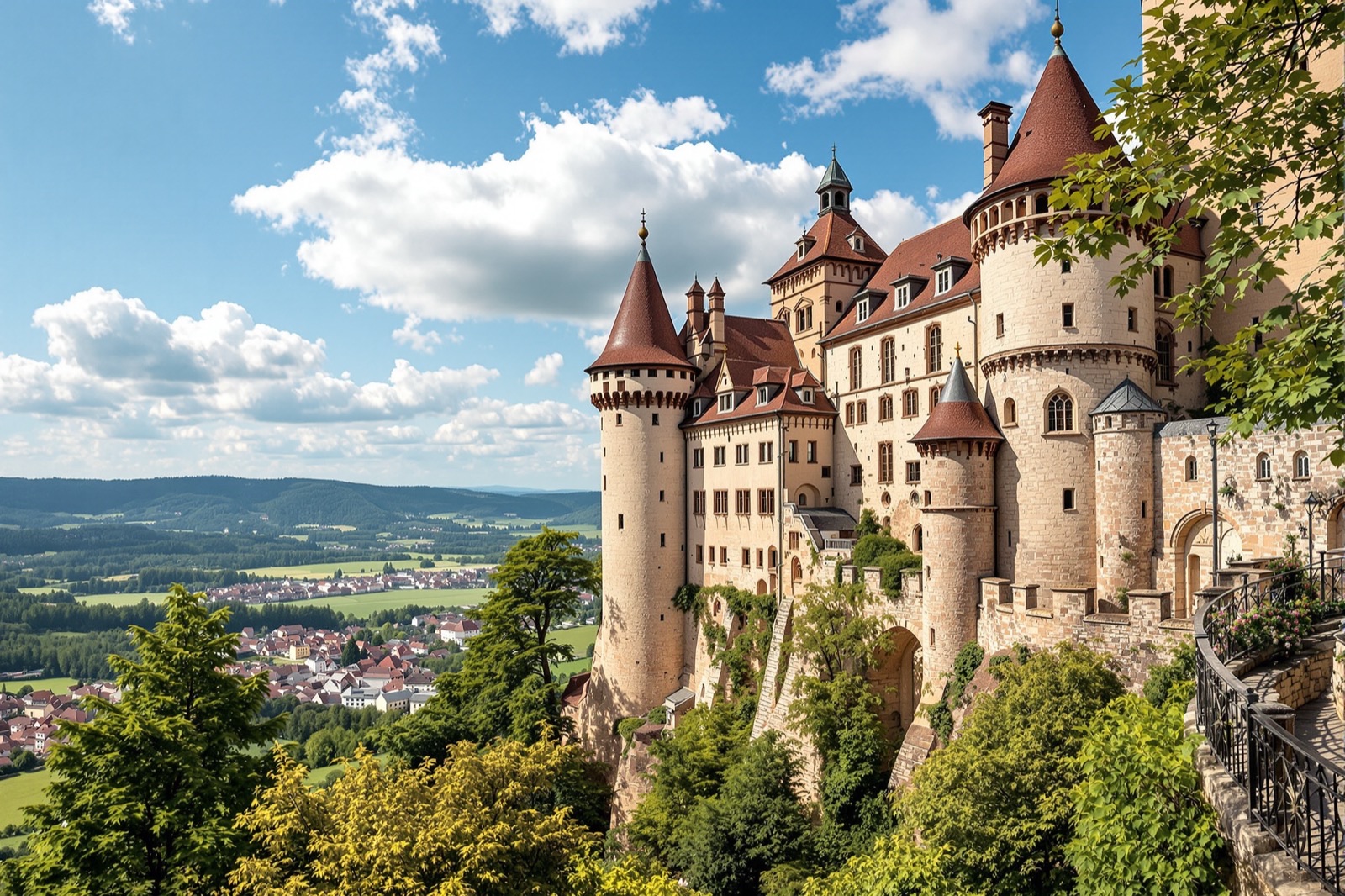
The Vosges mountains provide a dramatic backdrop to Alsatian life, offering hiking trails that lead through forests where the air is sharp with pine and the silence is broken only by cowbells echoing across alpine meadows. In winter, these slopes transform into ski resorts, while the valleys below prepare for Christmas markets that fill the air with cinnamon, cloves, and roasting chestnuts.
What makes Alsace truly special is how seamlessly it blends cultures without losing its distinct identity. You'll hear conversations switch effortlessly between French, German, and the local Alsatian dialect. Restaurant menus offer both coq au vin and schnitzel. Church services might be conducted in three languages. This isn't confusion – it's the beautiful complexity of a region that has learned to embrace all parts of its heritage.
Whether you're cycling through vineyard-covered hills, exploring medieval villages where storks nest on rooftops, or simply sitting in a wine garden as the evening light turns the Vosges purple, Alsace offers experiences that linger long after you leave. Each village has its own character, each winery its own story, and each meal its own revelation about what happens when two great culinary traditions meet and create something entirely new.
Ready to plan your French escape?
Browse our hand-picked gîtes and villas across France — book directly with owners, no booking fees.
Browse all gîtes in France