Route des Grands Crus
Polecane domy wakacyjne — France
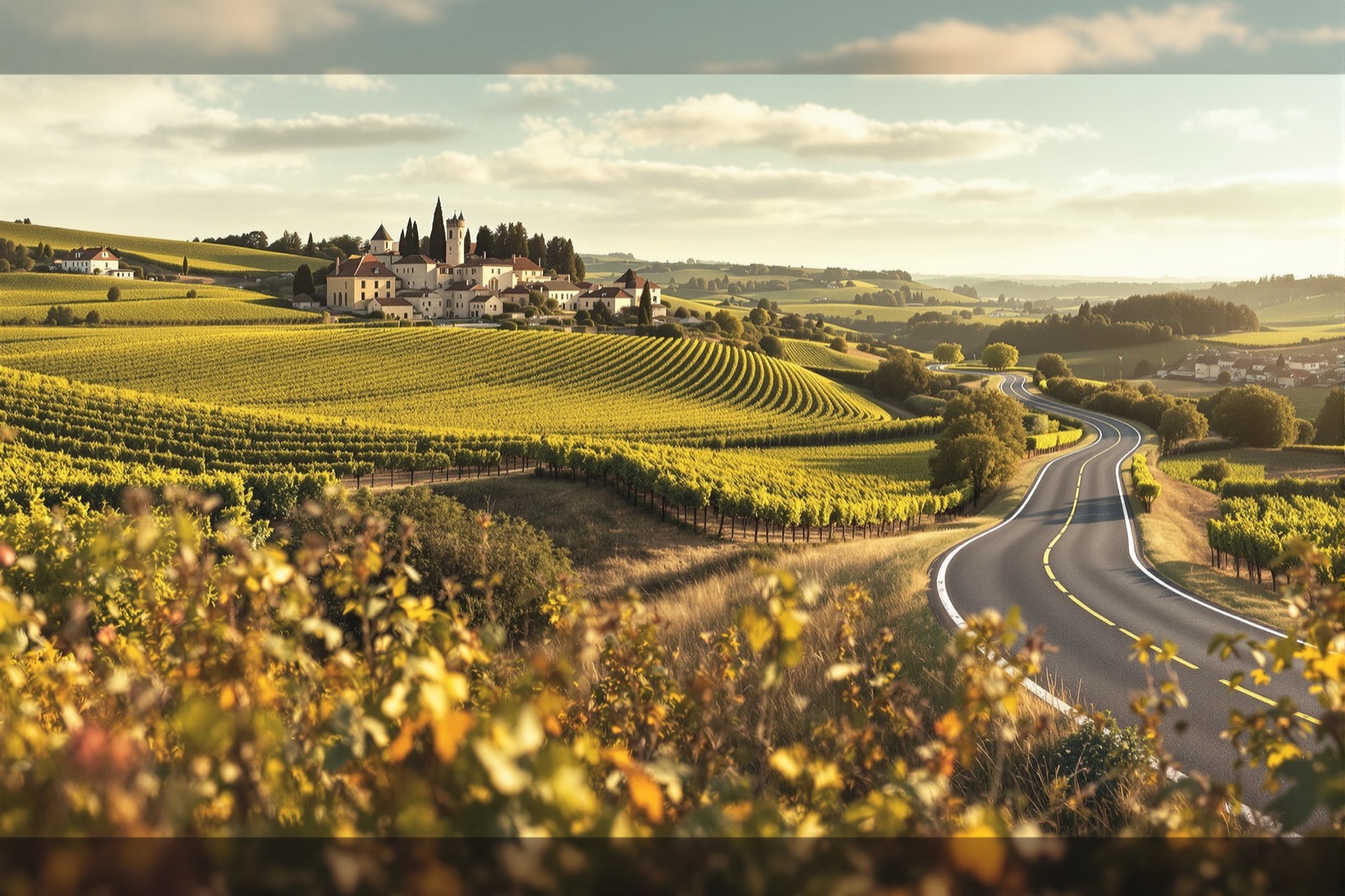
The Route des Grands Crus unfurls like a golden ribbon through Burgundy's most celebrated wine country, connecting a string of medieval villages where the world's most coveted Pinot Noirs and Chardonnays have been perfected over centuries. This carefully signposted 60-kilometre route through the Côte d'Or takes you away from motorway monotony into a landscape where every hillside tells a story of terroir, tradition, and exceptional winemaking.
Starting in the north near Dijon—where the morning air carries hints of toasted spices from the city's famous mustard mills—the route threads through two distinct wine regions. The Côte de Nuits specialises in ethereal red wines crafted from temperamental Pinot Noir grapes, while the southern Côte de Beaune produces both sublime reds and some of the world's most elegant Chardonnays. The geography explains everything: these gentle, south-facing slopes catch maximum sunshine while limestone-rich soils add that distinctive mineral backbone to every glass.
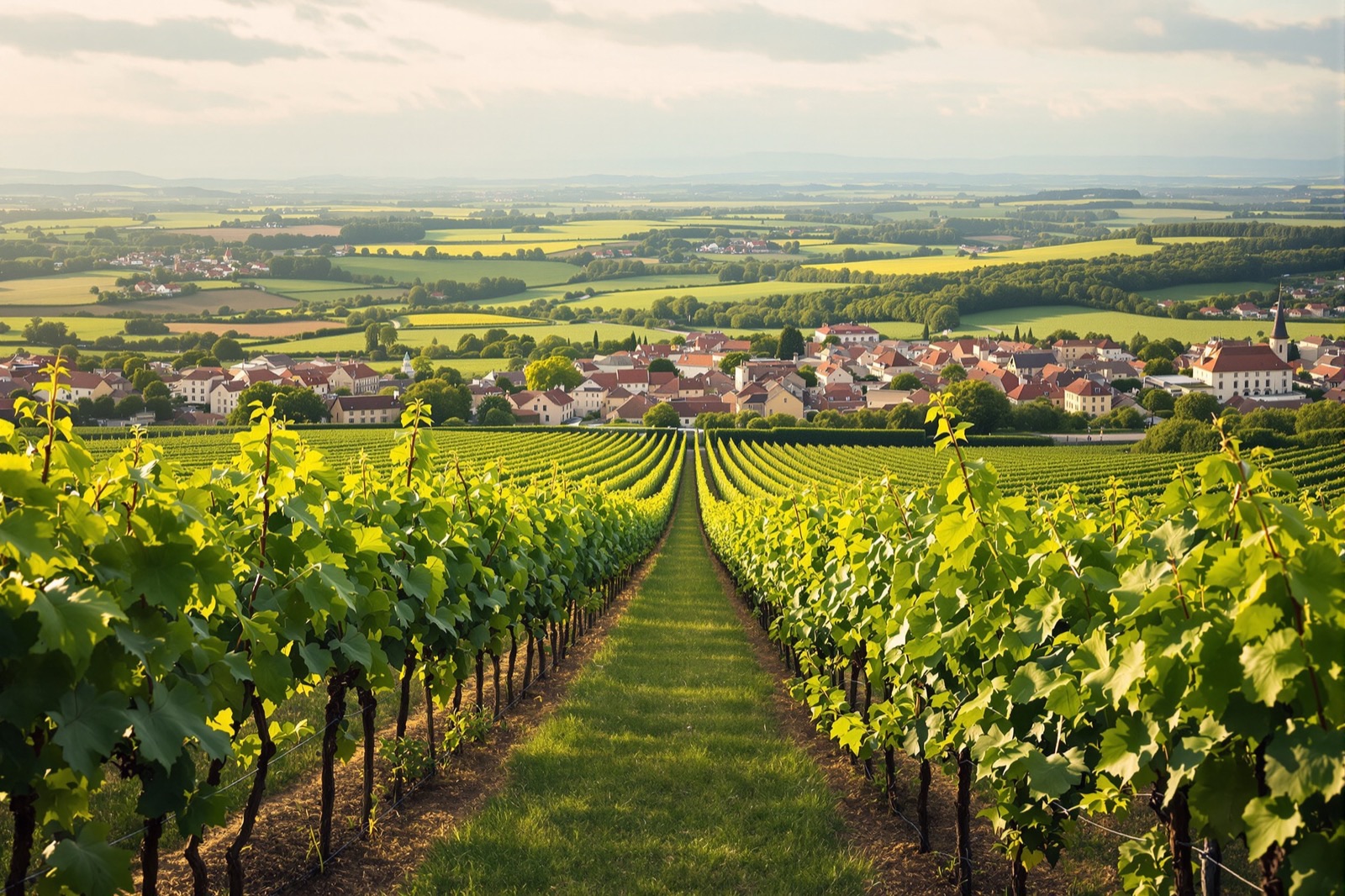
Follow the brown road signs emblazoned with grape clusters, and you'll find yourself driving through a patchwork of immaculately tended vines. In spring, bright green shoots unfurl in perfect rows. Summer brings the sweet fragrance of flowering vines drifting through your car windows. Autumn transforms the landscape into a tapestry of amber, russet, and gold as harvest approaches—you might even spot pickers bent over the vines at dawn, their voices carrying across the morning mist.
Each village along the route bears names that make wine lovers' hearts skip: Gevrey-Chambertin, where Napoleon's favourite wines originated; Vougeot, dominated by its medieval château surrounded by ancient vineyard walls; and Vosne-Romanée, home to some of the most expensive wines on earth. The architecture tells its own tale—honey-coloured limestone houses with terracotta tile roofs, their cellars carved deep into the hillside bedrock where wines age in oak barrels that creak softly in the cool, humid air.
Beaune, the unofficial capital of Burgundy wine, deserves at least half a day of exploration. Its cobbled streets echo with centuries of wine trading, while the famous Hospices de Beaune—with its distinctive glazed tile roof creating geometric patterns of green, gold, and burgundy—hosts the region's most important wine auction each November. Duck into one of the many wine bars carved into medieval cellars, where you can taste wines by candlelight surrounded by ancient stone walls that seem to breathe with history.
Don't overlook smaller villages like Pommard, where robust red wines pair beautifully with local Chaource cheese, or Santenay, where thermal springs have drawn visitors since Roman times. The village of Puligny-Montrachet produces Chardonnays so revered that wine enthusiasts make pilgrimages just to walk among the vines. Each settlement has its own character—some centred around magnificent châteaux, others clustering around Romanesque churches whose bells still ring out across the vineyards at sunset.
Most wine estates welcome visitors for tastings, though calling ahead ensures a warmer reception and often more generous pours. Many vignerons speak passable English and love sharing their craft with curious visitors. You'll learn to swirl wine in stemware designed specifically for Burgundian varieties, inhaling aromas that might include cherry, earth, violets, or vanilla depending on the vintage and vineyard. The wines taste different here—perhaps it's the anticipation, the setting, or simply that they haven't travelled thousands of miles before reaching your glass.
For the ultimate immersion, consider cycling the route over two or three days. Electric bikes make the gentle hills manageable, and you can taste more generously when someone else is driving—namely you, at a leisurely pedalling pace. Many villages offer bike-friendly accommodation, from converted wine estates to family-run hotels where breakfast might include local honey and pain d'épices spiced gingerbread.
The route connects easily with major transport links: Dijon sits just over three hours from Paris by TGV, while Lyon lies two hours south via the A6 autoroute. But once you turn off onto those smaller roads winding between the vines, you enter a different France entirely—one where the pace slows, conversations linger over long lunches, and every glass tells the story of a specific slope, a particular year's weather, and generations of winemaking wisdom passed down through families who measure time not in years but in vintages.
Pack a good map, comfortable walking shoes for exploring cellars, and perhaps a small cooler bag for your wine purchases. The route rewards those who take their time, stopping to chat with winemakers, sampling regional specialities like coq au vin made with local Pinot Noir, and watching the light change across the vines as afternoon melts into evening. This isn't just a drive through wine country—it's a journey into the heart of French culture, where wine isn't just a drink but a way of understanding the intimate relationship between land, weather, and human skill that creates something truly magical in every bottle.
Gotowy zaplanować swój wyjazd do Francji?
Przeglądaj nasze wyselekcjonowane domy i wille w całej Francji — rezerwuj bezpośrednio u właścicieli, bez opłat rezerwacyjnych.
Zobacz wszystkie domy — France