Wskazówki dla udanych wakacji w gîte
Polecane domy wakacyjne we Francji
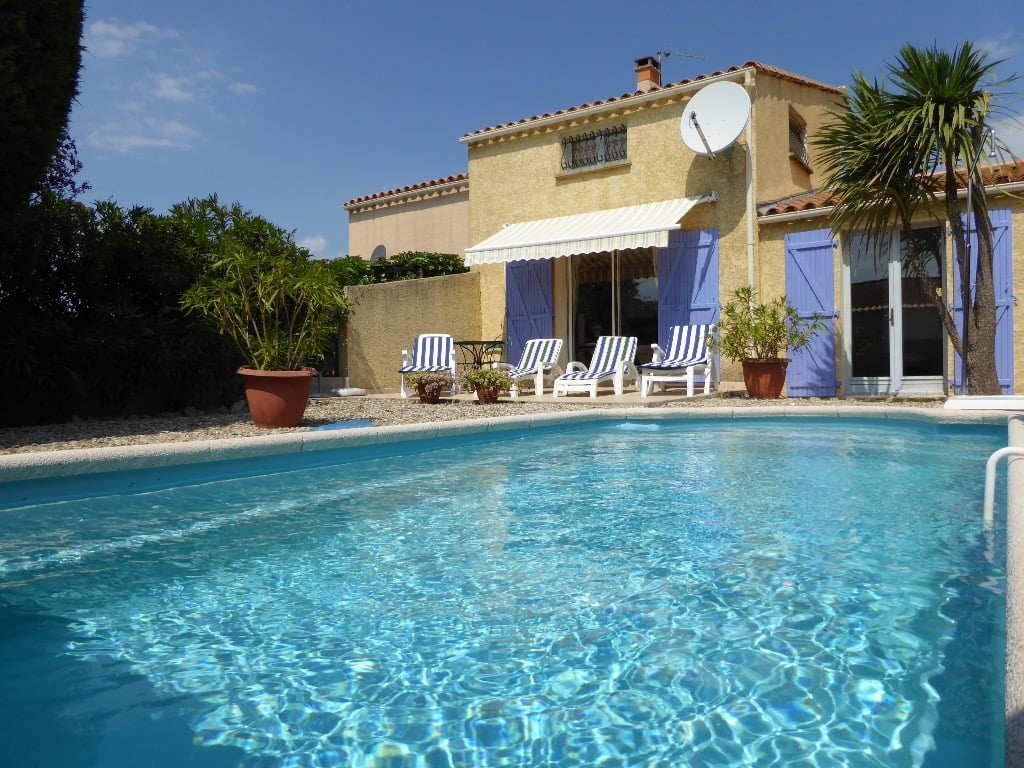
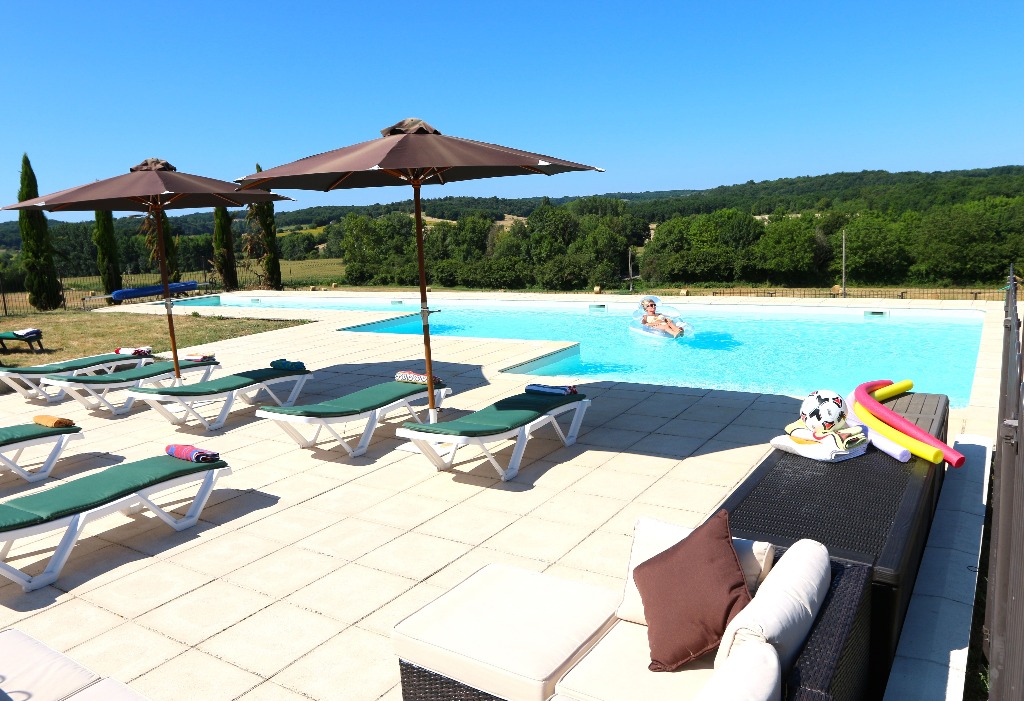
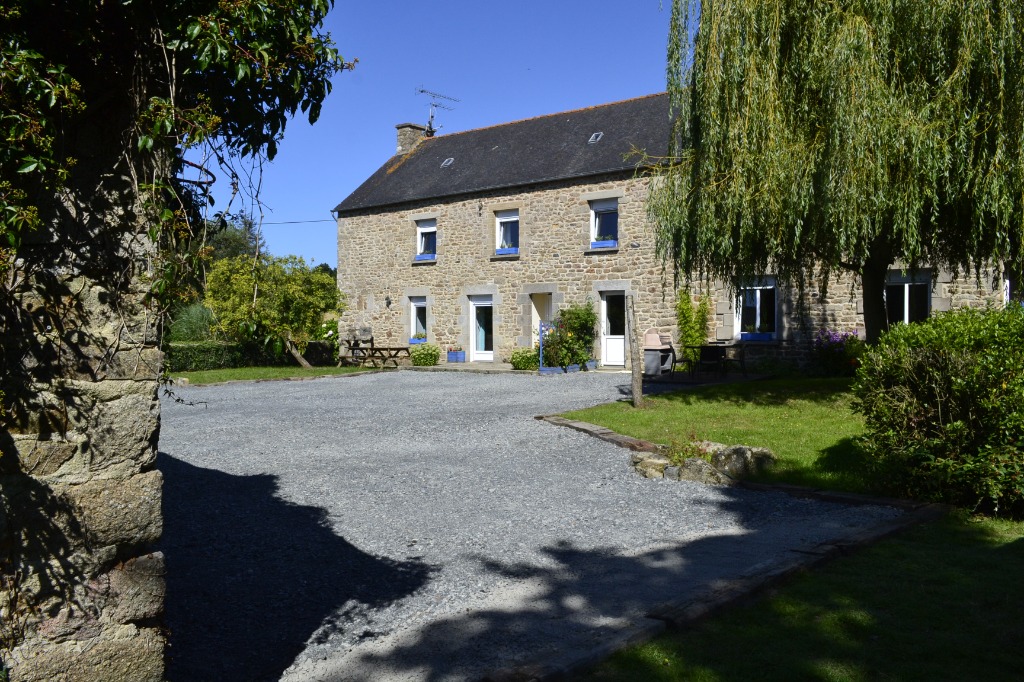
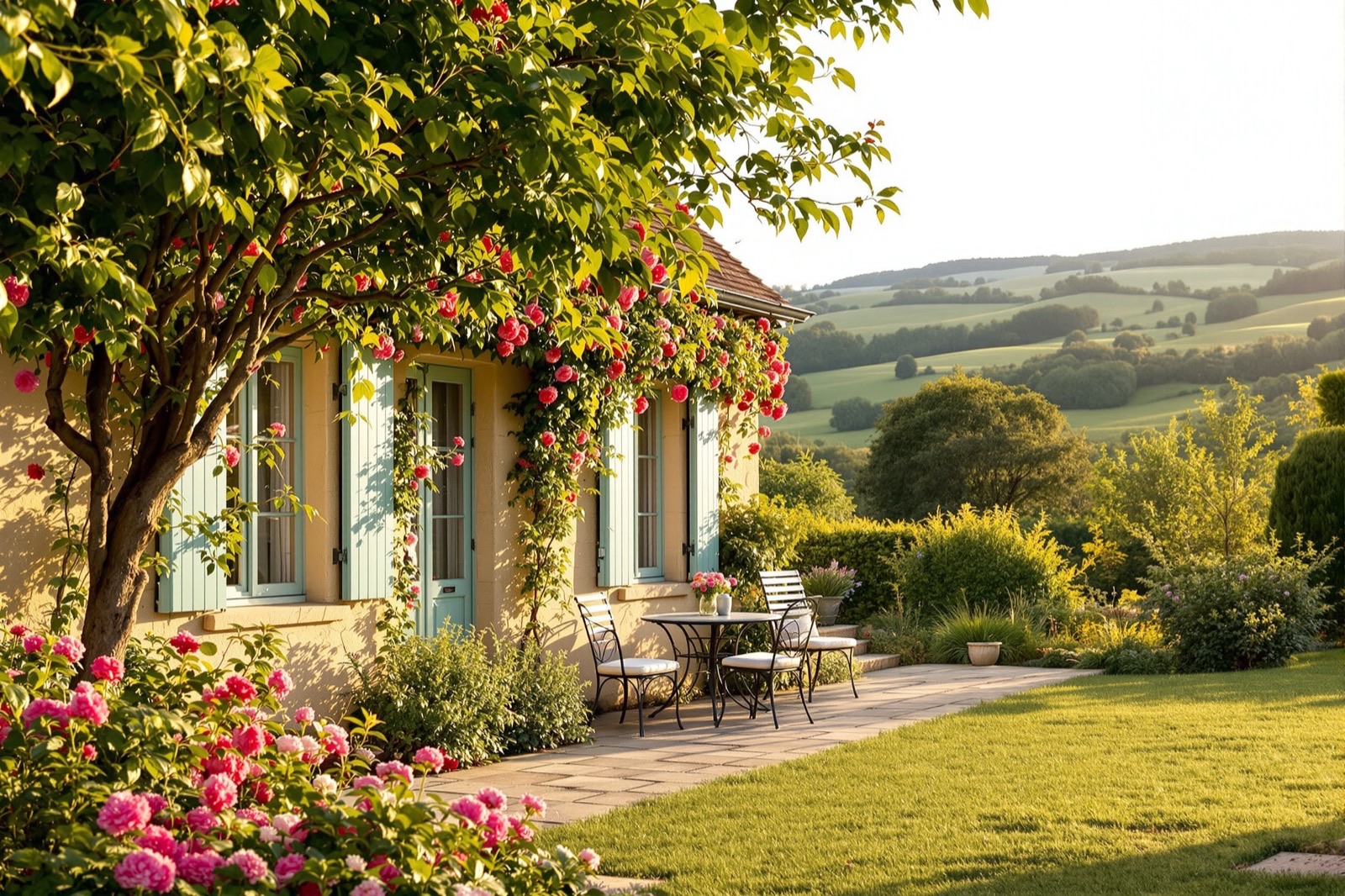
There's something magical about having your own little corner of France – a place where you can sip morning coffee while planning the day ahead, return from market visits with armfuls of local produce, and fall asleep to the distant sound of church bells or cicadas. French gites offer exactly this kind of authentic experience, whether you're drawn to a stone cottage in the Dordogne, a coastal apartment in Brittany, or a mountain chalet in the Alps.
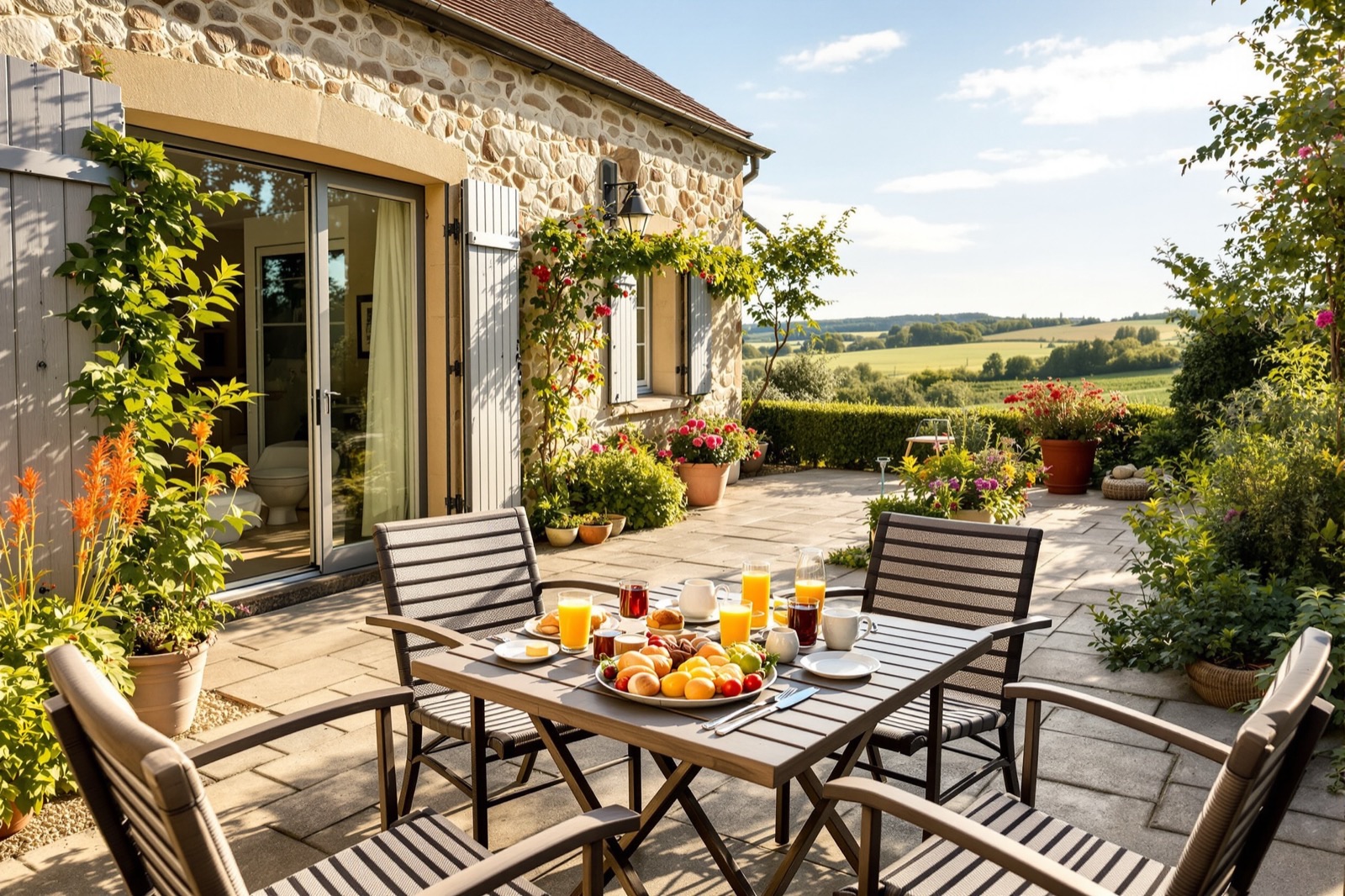
The beauty of gite holidays lies in their flexibility. You're not bound by hotel breakfast times or restaurant schedules. Instead, you might find yourself wandering through the morning market in Sarlat, breathing in the aroma of fresh bread and ripe tomatoes, before heading back to prepare lunch on your own terrace. Or perhaps you'll discover the joy of evening apéritifs in your garden, watching the sun set over lavender fields in Provence while planning tomorrow's château visit.
When choosing your gite, think beyond just the number of bedrooms. Consider the surrounding area and what draws you to France. If you're passionate about wine, properties in Burgundy or the Loire Valley put you within easy reach of renowned vineyards. History enthusiasts might prefer Normandy, where you can explore D-Day beaches and medieval Bayeux. Families often gravitate towards gites with pools in the Languedoc, where summer days stretch long and warm.
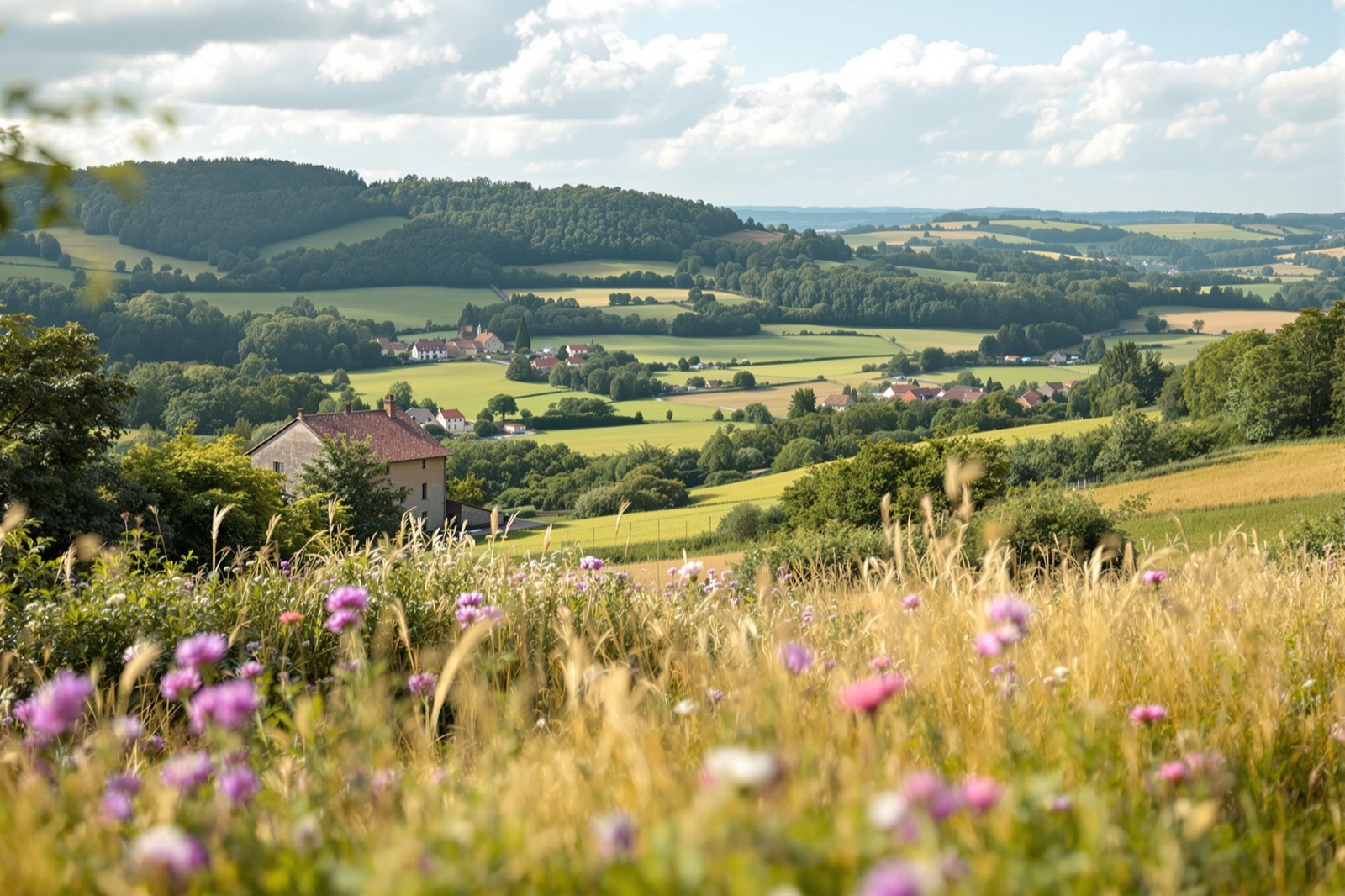
Location within your chosen region matters enormously. A gite in the heart of a market town like Uzès or Monpazier means you can stroll to the boulangerie for warm croissants, browse weekly markets, and enjoy evening meals at local restaurants. Rural properties offer different pleasures – the profound quiet of countryside mornings, opportunities for hiking directly from your door, and night skies unmarred by light pollution.
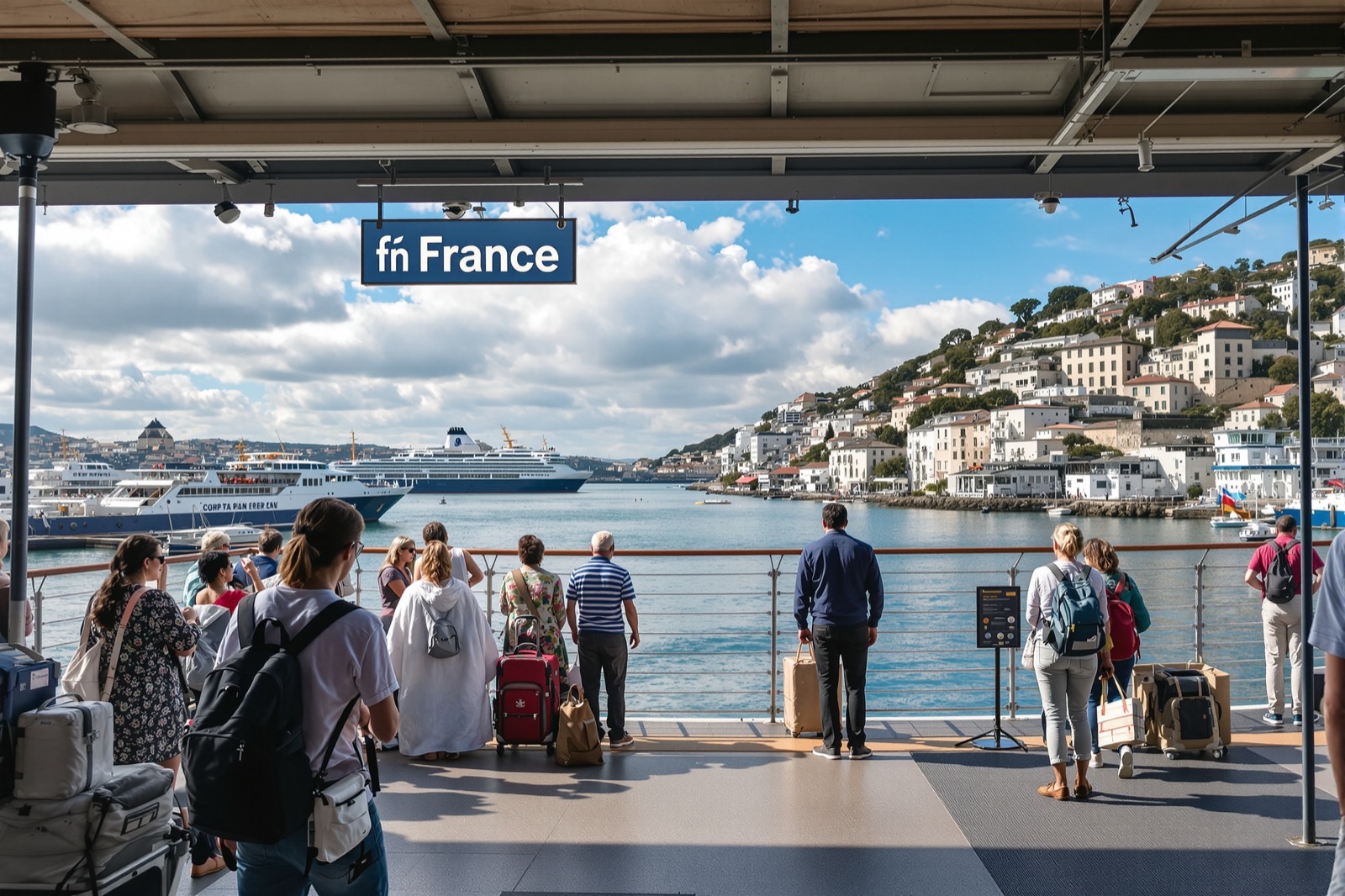
Travelling by car transforms your gite experience, giving you the freedom to discover those wonderful roadside encounters that make French holidays memorable – the unexpected Sunday morning brocante, the family-run fromagerie in a tiny village, or the scenic route that adds an hour to your journey but rewards you with spectacular views. Ferry crossings from Portsmouth, Dover, or Plymouth provide a gentle transition into holiday mode, and you can pack everything from hiking boots to beach gear without worrying about luggage restrictions.
Smart packing enhances your gite experience significantly. While most properties provide essentials like bed linen and kitchen equipment, bringing a few items from home makes life easier. Pack your favourite coffee or tea – French supermarkets stock different brands, and that first morning cuppa sets the tone for your entire holiday. Include basic seasonings, olive oil, and condiments to avoid expensive small purchases. Don't forget adaptors for electrical items and any specific toiletries you prefer.
Understanding French gite etiquette ensures smooth relationships with owners and neighbours. Many proprietors live nearby or even in adjoining properties, so treat the space with respect. Keep noise levels considerate, especially during traditional quiet hours between noon and 2 PM, and after 10 PM. If you're arriving late or departing very early, communicate these times in advance. A simple text message in broken French often works better than elaborate emails – "Nous arrivons vers 22h, merci" conveys your message perfectly clearly.
Embrace the rhythms of French daily life to enhance your stay. Shops typically close for lunch and often remain shuttered on Mondays, so plan accordingly. Sunday mornings bring vibrant markets to town squares across France – arrive early for the best selection of produce, and don't hesitate to ask stallholders for advice about preparing unfamiliar vegetables or selecting the ripest fruit. These interactions, however linguistically challenged, often become treasured holiday memories.
The kitchen becomes your gateway to French culinary culture. Visit local markets and specialist shops – the charcuterie for regional sausages and pâtés, the fromagerie for cheeses you've never encountered, the cave à vin for wines from nearby vineyards. Preparing meals with these ingredients connects you to the terroir in ways restaurant dining rarely achieves. Even simple suppers of fresh bread, local cheese, and ripe tomatoes taste extraordinary when enjoyed on your gite terrace as evening light fades.
Language barriers rarely prove as challenging as anticipated. Most gite owners provide detailed arrival information in English, and many speak at least basic English themselves. For day-to-day interactions, locals appreciate any attempt at French, however imperfect. Learn essential phrases like "Où est..." (Where is...), "Combien ça coûte?" (How much does it cost?), and "Pouvez-vous m'aider?" (Can you help me?). Translation apps work wonderfully for more complex communications, and a warm smile transcends all language barriers.
Remember that your gite represents someone's cherished property and often their livelihood. Leave it as you'd wish to find it – clean, tidy, and undamaged. Many owners genuinely care about their guests' experiences and appreciate feedback about local attractions or restaurants you've discovered. These personal recommendations often prove more valuable than guidebook suggestions.
The magic of gite holidays lies in their ability to make you feel temporarily French – shopping at local markets, greeting neighbours, perhaps even attempting conversations with the baker about bread preferences. You're not just visiting France; you're briefly living there, creating memories that extend far beyond typical tourist experiences.
Gotowy zaplanować swój wyjazd do Francji?
Przeglądaj nasze wyselekcjonowane domy i wille w całej Francji — rezerwuj bezpośrednio u właścicieli, bez opłat rezerwacyjnych.
Zobacz wszystkie obiekty