Tegoroczny Festiwal w Carcassonne jest większy i lepszy niż kiedykolwiek
Polecane domy wakacyjne — Languedoc-Roussillon
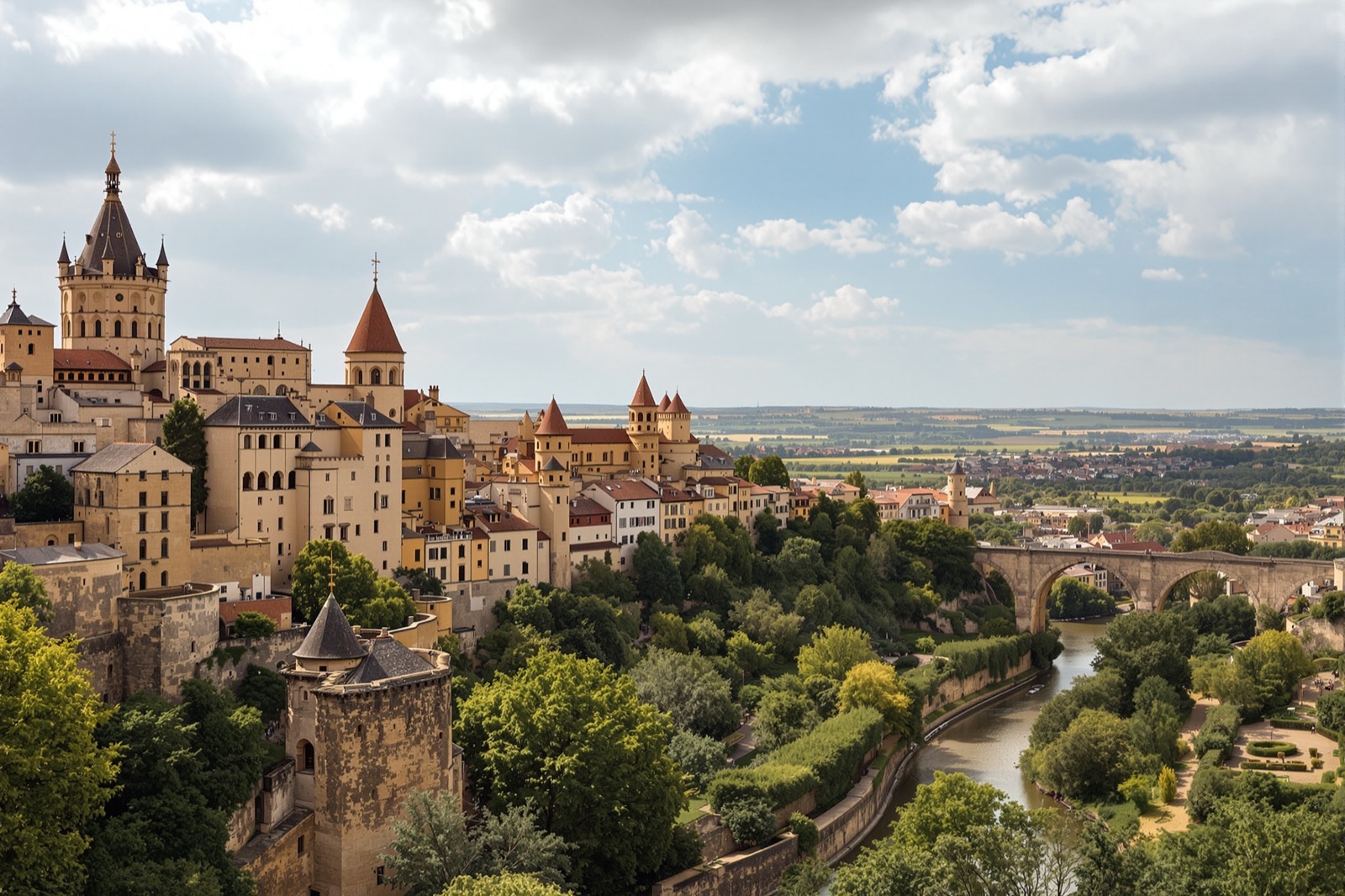
When the sun sets behind the ramparts of Carcassonne's medieval Cité, something extraordinary happens. The ancient stones seem to exhale centuries of stories as the first notes of music drift across the cobbled streets. The Carcassonne Festival transforms this UNESCO World Heritage fortress into one of France's most captivating cultural celebrations, where world-renowned artists perform against backdrops that have witnessed eight centuries of history.
Running for six weeks from mid-June through early August, the festival has evolved into an unmissable highlight of the cultural calendar in the Languedoc-Roussillon region. What sets Carcassonne apart isn't just the calibre of performers—though that's exceptional—but the sheer magic of experiencing live performance within these medieval walls. The warm southern French evenings provide the perfect canvas for everything from intimate jazz sessions to grand operatic spectacles.
The festival's crown jewel venue, the Théâtre Jean-Deschamps, sits within the Cité itself. This open-air amphitheatre, carved into the fortress walls, creates an acoustic experience unlike anywhere else in the world. The stone walls seem to cradle each note, whether it's a soprano's soaring aria or the raw energy of a rock guitar. On performance nights, the scent of lavender mingles with anticipation as audiences file through the ancient gates, the city's floodlit towers creating a backdrop that no concert hall could match.
The programming spans genres with remarkable ambition. International superstars share the same stages as emerging French talent, creating a musical dialogue that reflects both global and local artistic traditions. Jazz legends might perform one evening, followed by contemporary pop sensations the next. Classical orchestras give way to world music ensembles, each performance uniquely enhanced by the medieval setting.
For opera lovers, Carcassonne offers something truly special. Productions often incorporate the fortress architecture itself, with singers appearing on battlements or processionals winding through the narrow streets. The acoustics within the Cité's enclosed spaces create an intimacy that brings opera back to its roots as popular entertainment, while the grandeur of the setting matches the genre's inherent drama.
Theatre productions during the festival frequently draw on the rich history surrounding them. Classical French works feel especially poignant performed within walls that witnessed the real political dramas of medieval France. Contemporary pieces gain new dimensions when performed against such ancient backdrops, creating conversations between past and present that linger long after the final curtain call.
Dance performances showcase the festival's international scope particularly well. From traditional regional folk dances to cutting-edge contemporary choreography, the cobblestone squares and stone amphitheatres provide stages that challenge performers to engage with their environment in unique ways. Evening performances under the stars create moments of pure enchantment as movement and music blend with the gentle southern breeze.
Beyond the main venues, the festival spills into the surrounding area. Smaller concerts happen in village squares throughout the Aude department, where local bistros stay open late and the sound of music drifts from terraced café tables. Street musicians add spontaneous performances to the official programme, creating an atmosphere where culture feels lived-in rather than simply consumed.
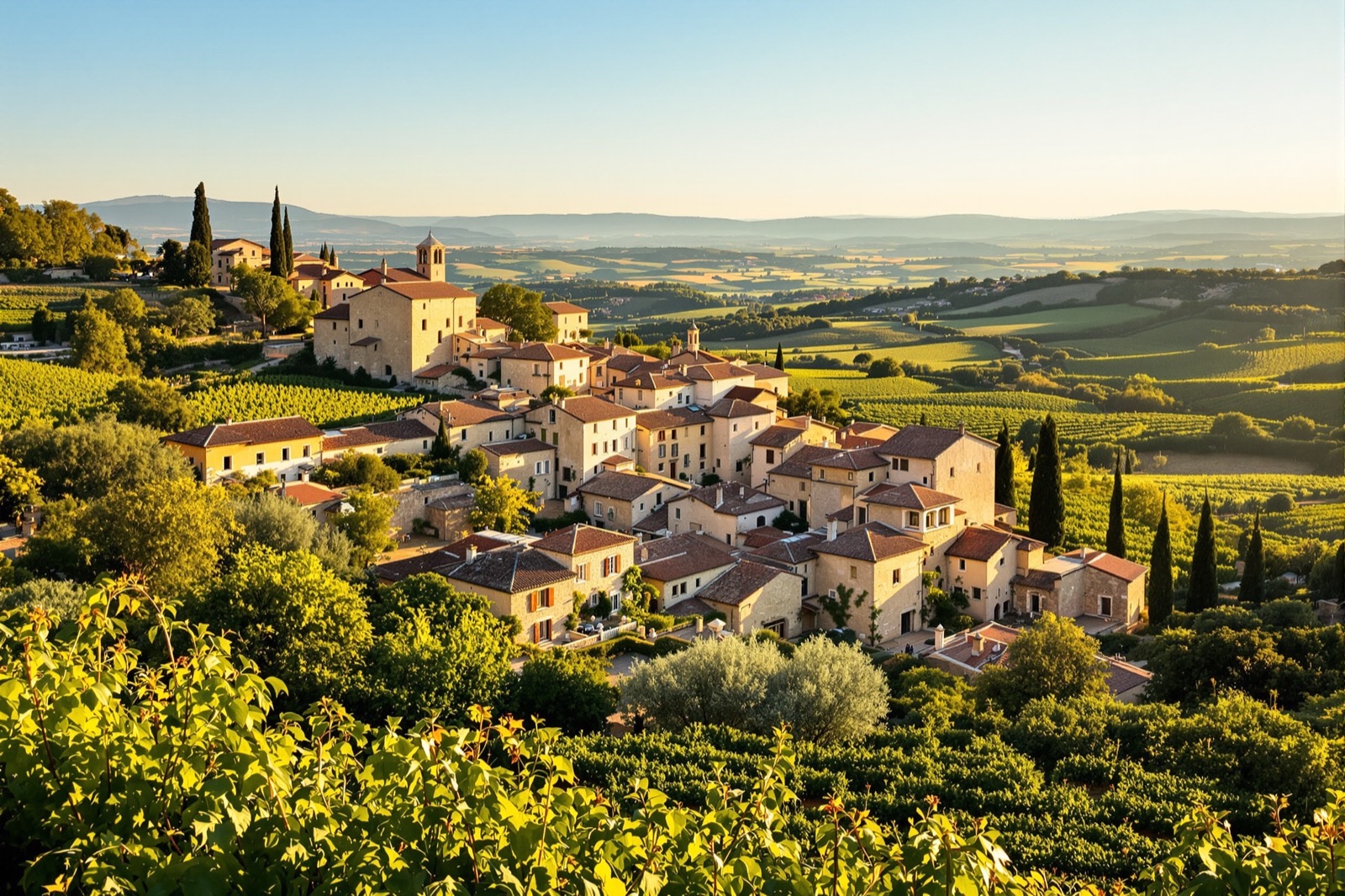
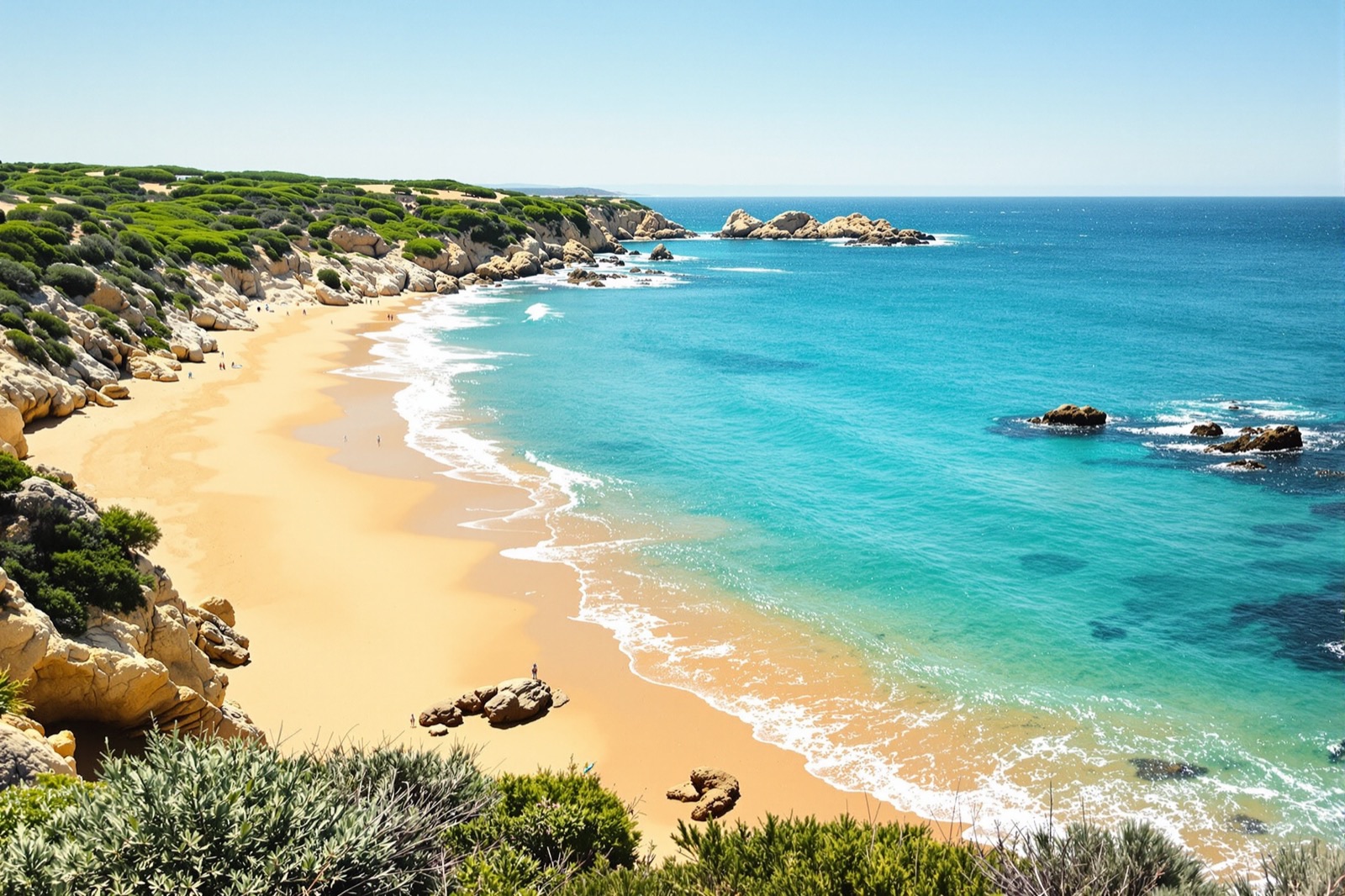
The surrounding region offers perfect complement to the festival experience. The Canal du Midi, another UNESCO site, provides peaceful contrast to the evening excitement with morning walks along tree-lined towpaths. Local vineyards open their doors for tastings that feature the robust reds and crisp whites of Corbières and Minervois. The Mediterranean coast lies just an hour south, offering beach days between concert nights.
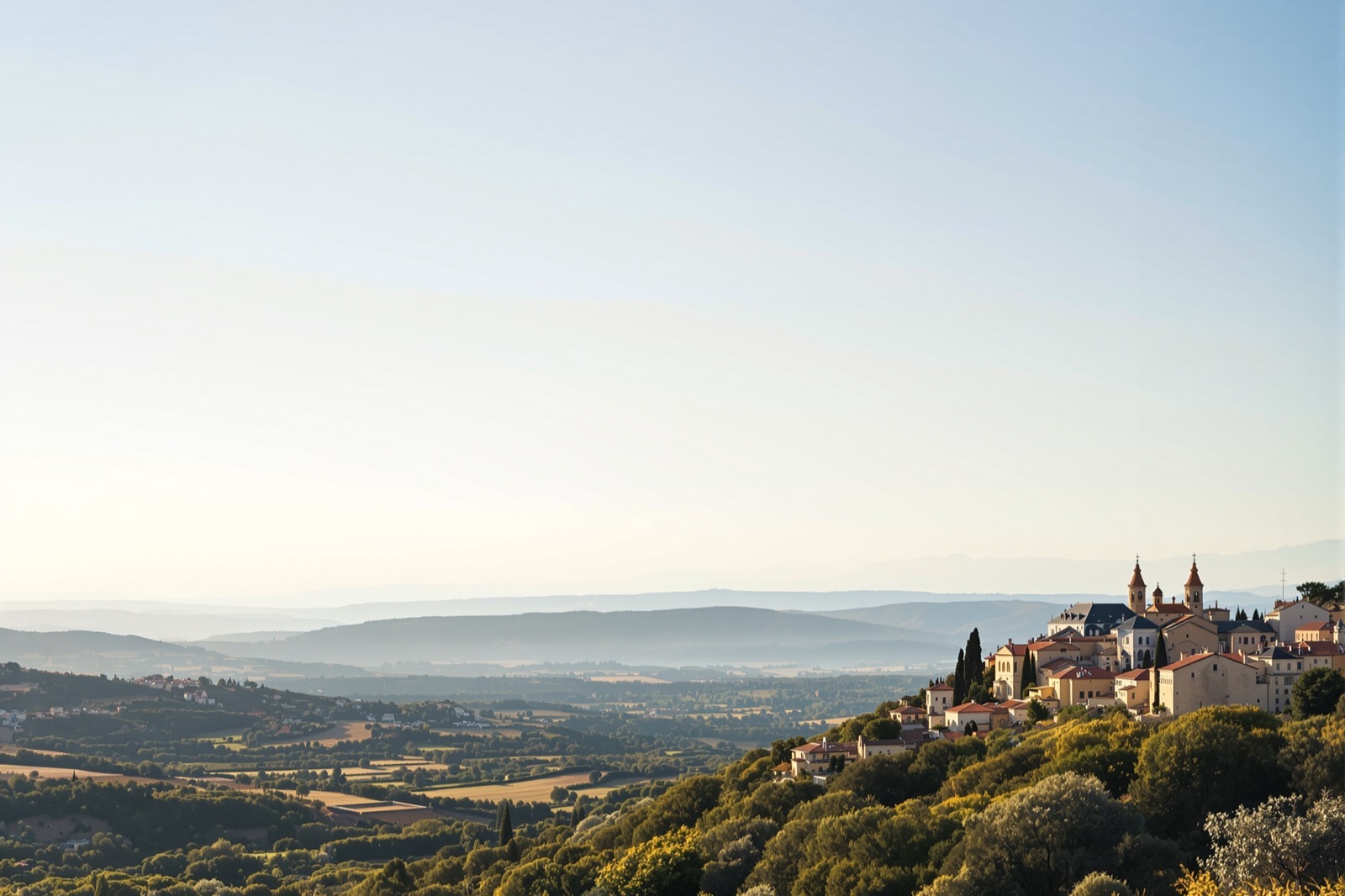
Practical planning enhances the experience significantly. Booking accommodation well in advance is essential, as the festival draws visitors from across Europe. The medieval Cité itself offers atmospheric hotels, though staying in the surrounding countryside provides a more authentic taste of regional life. Many visitors base themselves in nearby villages like Caunes-Minervois or Lagrasse, where stone houses overlook vineyard-covered hills and morning markets showcase local produce.
Evening performances typically begin around sunset, creating natural dining opportunities beforehand. Local restaurants embrace the festival season with special menus featuring regional specialities—cassoulet, of course, but also fresh seafood from the nearby coast and game from the Corbières hills. The sound of clinking glasses and animated conversation in French, English, German, and Spanish creates its own multilingual symphony in the squares before showtime.
Transportation during festival season requires some thought. The fortress area restricts vehicle access during major performances, making comfortable walking shoes essential. Many visitors cycle between venues, and bike rental shops throughout Carcassonne cater specifically to festival-goers with routes mapped to major performance sites.
The Carcassonne Festival succeeds because it understands that great art requires great settings. These aren't just performances that happen to take place in a castle—they're experiences that couldn't exist anywhere else. When the final notes fade and audiences stream back through the ancient gates, the stones themselves seem to hold onto the music, ready to release it again when the next performance begins.
Gotowy zaplanować swój wyjazd do Francji?
Przeglądaj nasze wyselekcjonowane domy i wille w całej Francji — rezerwuj bezpośrednio u właścicieli, bez opłat rezerwacyjnych.
Zobacz wszystkie domy — Languedoc-Roussillon