Rzeczy do zrobienia w wspaniałej Szampanii
Polecane domy wakacyjne — France
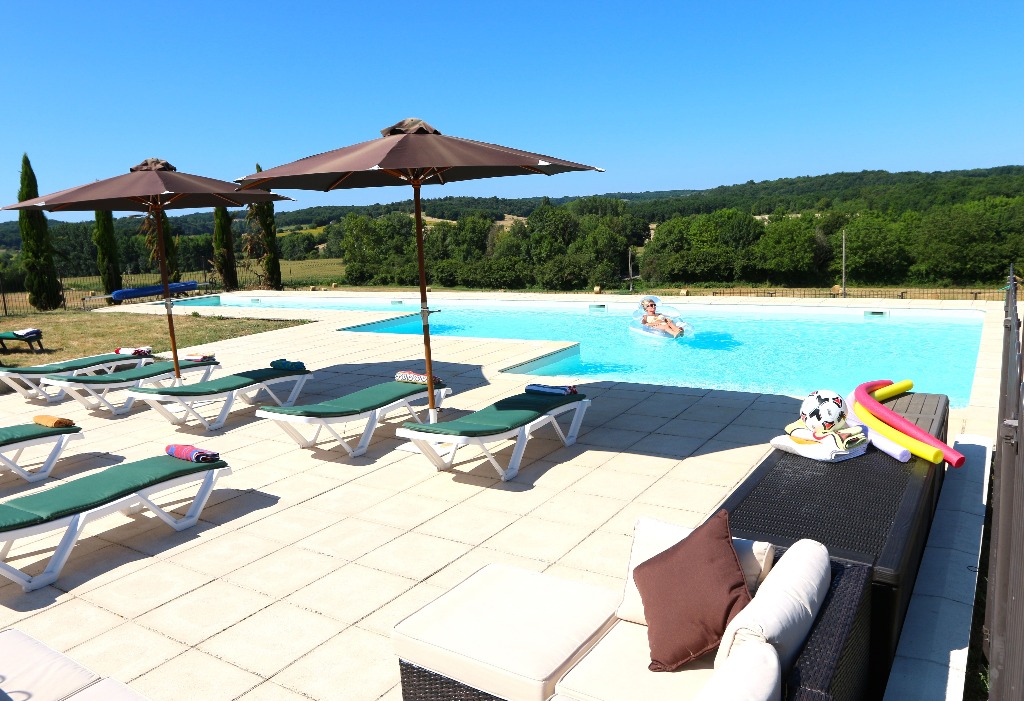
BELLE ETOILE - FARMHOUSE, IN RONSENAC, POITOU-CHARENTES, FRANCE
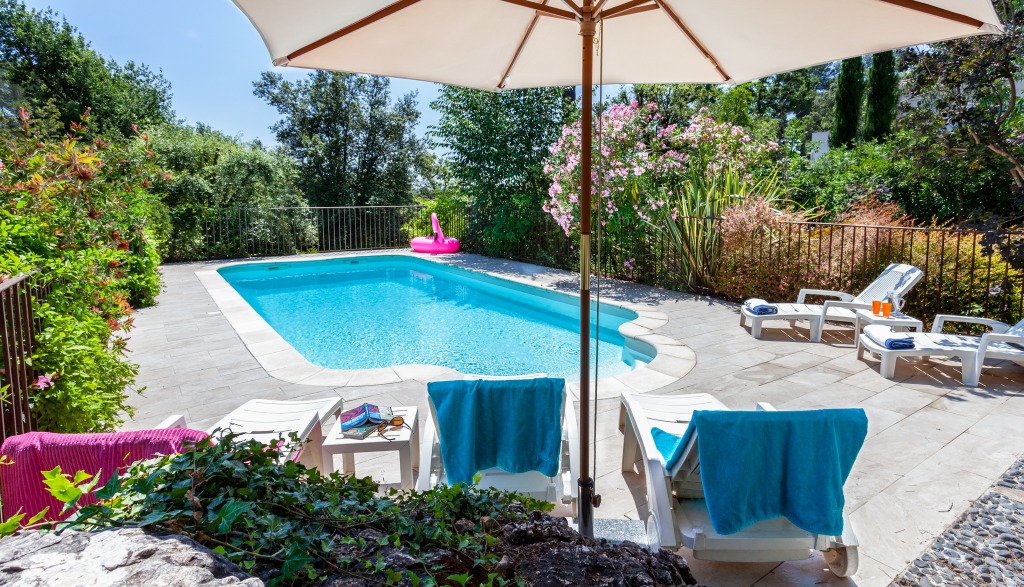
Lou Messugo sunny garden apartment with pool inland Côte d'Azur
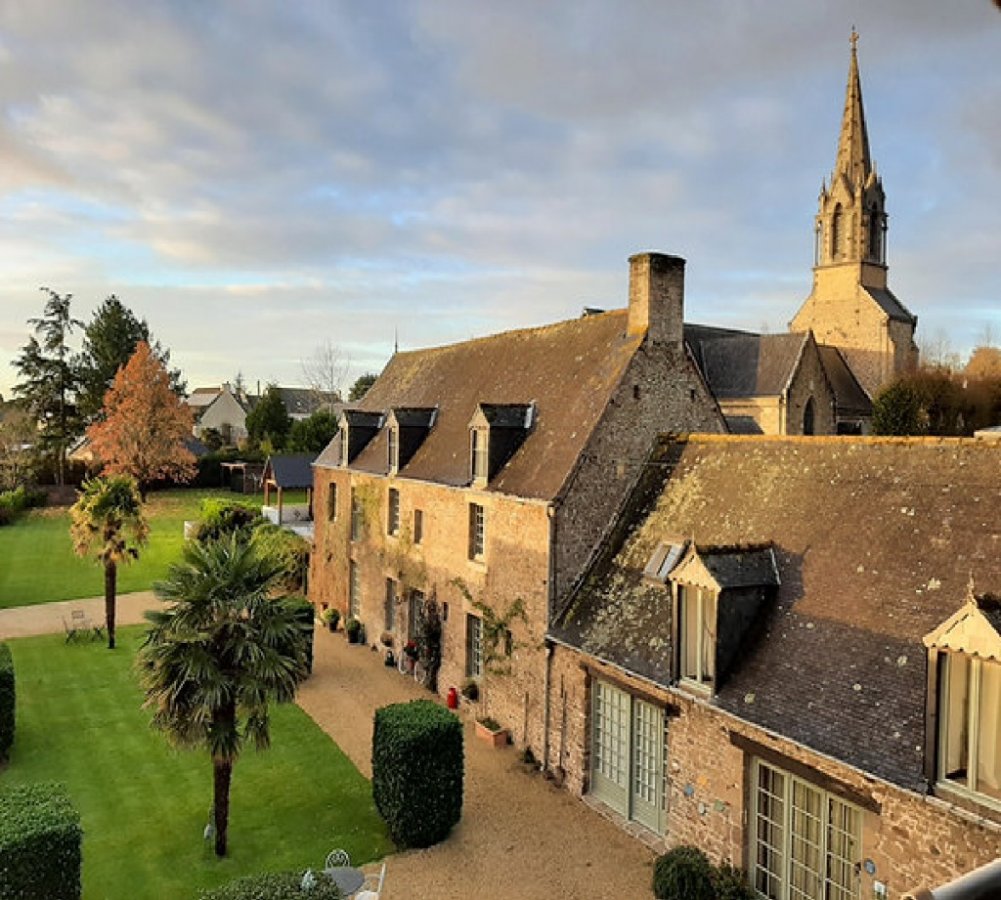
Le Manoir, a stunning property in Brittany with heated pool
The rolling hills of Champagne-Ardenne hold secrets far richer than the golden bubbles that made this region famous. While the world's most celebrated sparkling wine originated here, the landscape tells stories of medieval kings, Gothic masterpieces, and ancient traditions that stretch back centuries. From the coronation cathedral of Reims to the timber-framed streets of Troyes, this corner of northeastern France offers a tapestry of experiences that will enchant history lovers, architecture enthusiasts, and yes, wine connoisseurs too.
Begin your exploration in Reims, where the scent of fermenting grapes mingles with incense from one of France's most magnificent cathedrals. The Gothic towers of Cathédrale Notre-Dame dominate the cityscape, their limestone facades glowing honey-gold in the afternoon sun. Step inside and you'll understand why French kings chose this sacred space for their coronations. The most famous ceremony took place here when Joan of Arc stood beside Charles VII as he claimed his throne, but thirty-three monarchs in total have walked these aisles. The cathedral's stained glass windows cast rainbow patterns across medieval stone, while two statues of the Maid of Orleans remind visitors of that pivotal moment in French history. Don't rush your visit – rent an audio guide from the nearby tourist office to fully appreciate the intricate carvings and architectural details that have survived eight centuries.
The champagne houses of Reims and Epernay offer a completely different sensory experience. At Taittinger's headquarters, just outside Reims, you'll descend into cool chalk cellars where millions of bottles rest in darkness, slowly developing their complex flavours. The guided tours reveal the meticulous process behind each bottle – from the careful hand-riddling of sediment to the precise timing of the disgorgement. The chalk walls maintain a constant temperature, and the silence is broken only by the occasional gentle pop of a cork or the whisper of a guide explaining the mysteries of méthode champenoise. No advance booking is required, making it perfect for spontaneous visits.
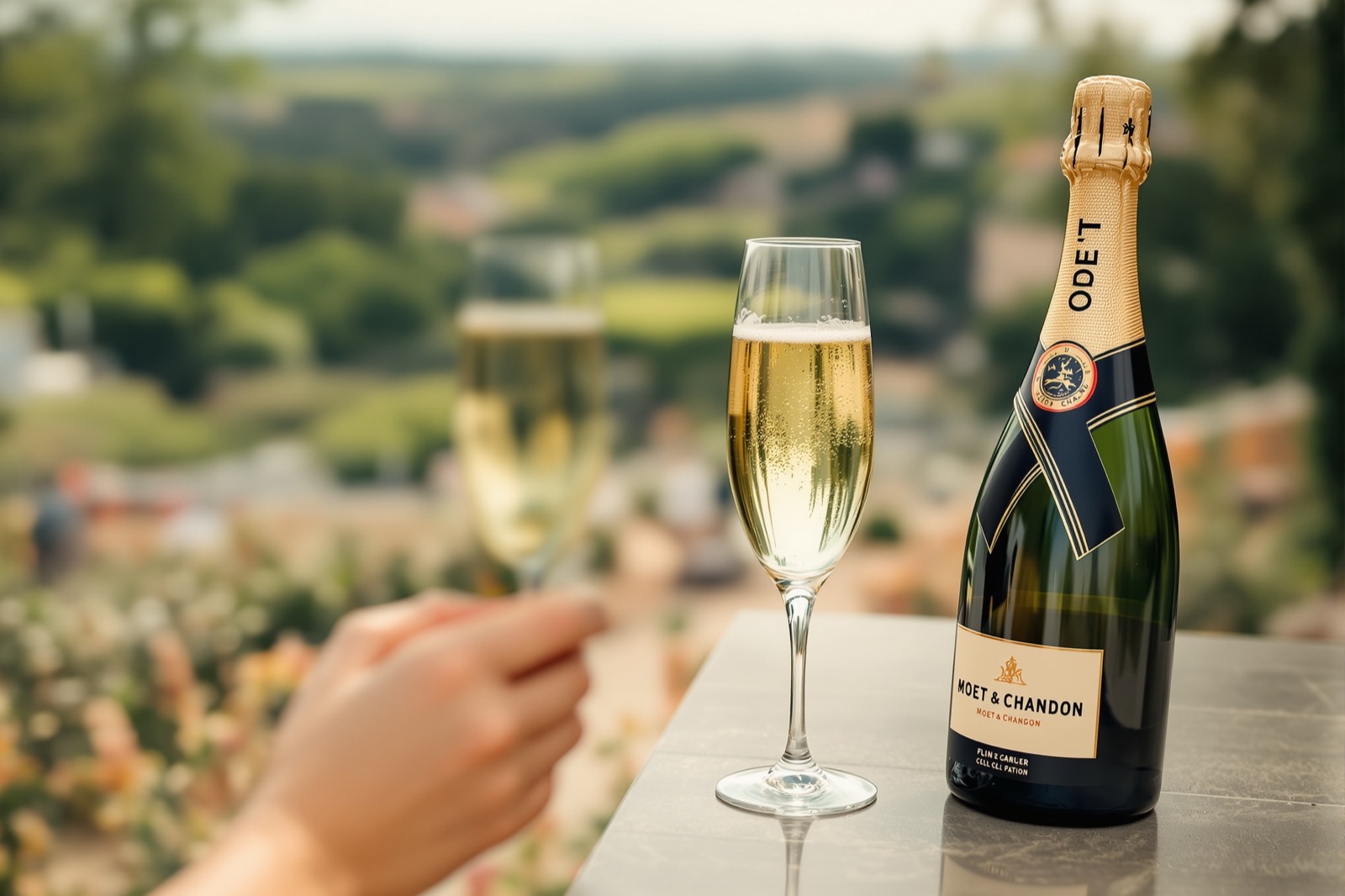
In Epernay, Moët & Chandon's cellars stretch for miles beneath the town's streets. Their hourly tours conclude in a tasting room where you can savour the results of centuries of expertise, each sip revealing notes that speak of the region's unique terroir. The attached boutique frequently offers exclusive bottles not available elsewhere, perfect for taking home a liquid memory of your travels.
Venture southwest to Troyes, and you'll step into a living medieval museum. This former capital of Champagne has preserved its character like few other French cities, its half-timbered houses leaning companionably over narrow cobblestone streets. The morning light filtering through the geometric patterns of the timber frames creates an ever-changing play of shadows, while the evening brings a warm glow that transforms the ancient wood and plaster into something almost magical. Unlike many European cities, Troyes emerged from both world wars relatively unscathed, leaving its Gothic churches, Renaissance mansions, and medieval quarters intact.
The city's Museum of Modern Art houses an impressive collection in a former bishop's palace, while smaller galleries tucked into historic buildings showcase local artisans' work. Take time to explore the labyrinthine streets around the Rue Champeaux, where workshops have operated continuously for hundreds of years. The sound of traditional crafts – from the tap-tap of bookbinders to the whir of textile looms – creates a subtle soundtrack to your wandering. Troyes was once famous for its fairs, and that commercial spirit lives on in the boutiques and ateliers that line the winding lanes.
For an unexpected adventure, make your way to the Phare de Verzenay, where a lighthouse rises improbably from the champagne vineyards. This white tower, built in the early 20th century, now houses a museum dedicated to the region's winemaking heritage. The climb to the top requires some stamina – 101 steps wind upward through the cylindrical structure – but the panoramic views reward your effort. From the observation deck, the patchwork of vineyards stretches to the horizon, interrupted by the occasional village church spire or manor house. On clear days, you can see for miles across the Montagne de Reims, understanding at a glance why this particular landscape produces such exceptional grapes.
The museum within the lighthouse tells the story of champagne through interactive displays and historical artifacts. You'll learn about the geology that created these perfect growing conditions, the monks who first cultivated these slopes, and the innovations that transformed a regional wine into a global symbol of celebration. The exhibits include antique bottle-making equipment, vintage advertising posters, and even a recreation of a traditional cellar master's workspace.
Throughout your exploration of Champagne-Ardenne, take time to appreciate the quieter pleasures: morning mist rising from vineyard valleys, the satisfying crunch of gravel paths between the vines, the way sunlight filters through stained glass to paint stone floors in jewel tones. This region rewards slow travel and mindful observation, revealing its treasures to those who look beyond the obvious attractions. Whether you're drawn by royal history, architectural wonders, or the age-old craft of winemaking, Champagne offers layers of discovery that deepen with every visit.
Gotowy zaplanować swój wyjazd do Francji?
Przeglądaj nasze wyselekcjonowane domy i wille w całej Francji — rezerwuj bezpośrednio u właścicieli, bez opłat rezerwacyjnych.
Zobacz wszystkie domy — France