Prowadzenie samochodu we Francji
Polecane domy wakacyjne we Francji
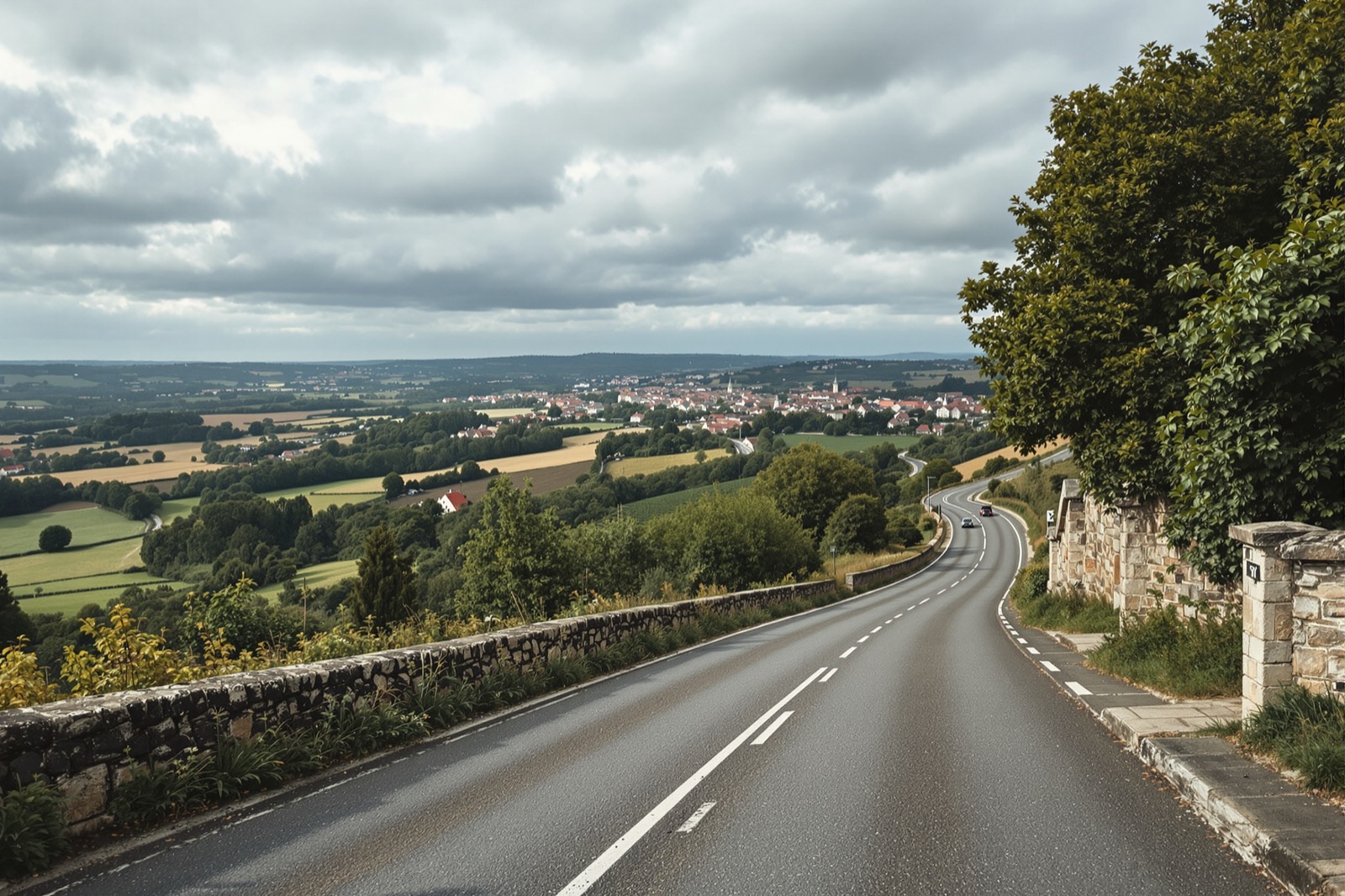
There's something deeply satisfying about taking control of your French adventure from behind the wheel. The freedom to pause at a medieval village that catches your eye, to follow the winding Route des Vins through Burgundy, or to chase that perfect golden hour light across a lavender field in Provence—this is what makes driving in France such a rewarding experience.
The journey south offers its own theatre of transformation. Watch the architecture shift from slate-roofed Norman farmhouses to terracotta-tiled mas as you cross invisible regional boundaries. Notice how the air grows warmer and drier, how cypress trees begin punctuating the horizon, and how roadside markets overflow with different produce—from Normandy apples to Provençal melons.
Before you set off, though, mastering the practical elements will ensure your French road trip remains a pleasure rather than a stress. French driving culture has its own rhythm and rules, and understanding these nuances makes all the difference between a smooth journey and an expensive lesson.
The drink-driving limit in France sits at 0.5mg/ml—considerably stricter than the UK's 0.8mg/ml. That lunchtime glass of local rosé might seem tempting, but it could easily push you over the limit. French gendarmes take this seriously, and roadside breath tests are common, particularly during summer months and holiday periods. The safest approach remains the simplest: if you're driving, stick to the local mineral water and save the wine tasting for when you've reached your destination.
Speed enforcement operates with Germanic efficiency across France. Mobile speed cameras hide behind bridges, trees, and unmarked vehicles, while fixed cameras proliferate on major routes. The consequences bite hard—exceed the limit by 25km/h or more, and the gendarmes can confiscate your licence immediately. Radar detectors are illegal, though GPS systems may warn of fixed camera locations.
Understanding French speed limits requires attention to detail. Motorways allow 130km/h in dry conditions, dropping to 110km/h when wet. Major dual carriageways permit 110km/h dry, 100km/h wet. Single carriageways limit you to 90km/h dry, 80km/h wet. In towns and cities, watch for the white town name signs—these mark where 50km/h limits begin. You'll know you're leaving when you see the same sign crossed through with a black diagonal line.
French roundabouts follow a logical but initially confusing rule: give way to traffic entering from your right, unless signs specifically state otherwise. This means traffic already on the roundabout must yield to new arrivals—the opposite of British practice. Approach with caution until this becomes second nature, and watch for those crucial exception signs.
Seat belts must be worn by all passengers, front and rear, on all roads. This includes country lanes and city streets—French enforcement doesn't distinguish between road types. Children under 10 must use appropriate car seats or booster seats, and these regulations are strictly monitored.
Traffic violations result in immediate on-the-spot fines, payable by card or cash. Unlike the UK, where penalty notices arrive weeks later by post, French police expect immediate settlement. Keep some emergency cash available, though most accept card payments nowadays.
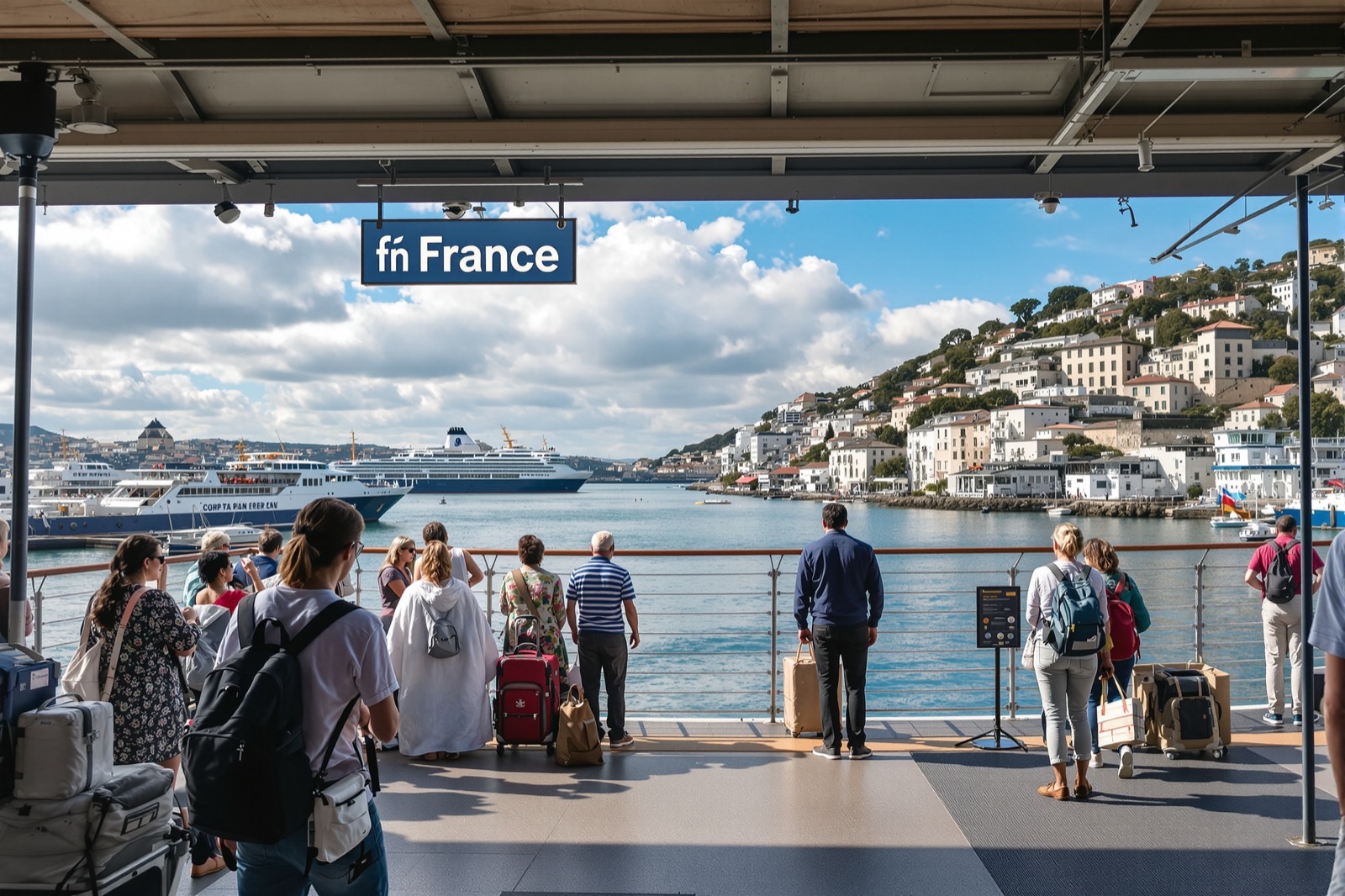
The dreaded Périphérique around Paris deserves its fearsome reputation. Eight lanes of intense traffic moving at breakneck speed, with entries and exits every few hundred metres, can challenge even experienced drivers. If your destination lies south of Paris, consider ferry routes to western ports like Cherbourg, Caen, or Roscoff. These add sailing time but eliminate Parisian stress while offering shorter overall driving distances to southwestern regions.
Petrol stations on French motorways charge premium prices, often 20-30% above supermarket rates. Plan fuel stops at hypermarkets like Leclerc, Intermarché, or Carrefour, typically found on the outskirts of larger towns. These stations offer excellent value and often include conveniences like clean toilets, decent coffee, and local specialities.
French motorway service areas vary dramatically in quality. Some offer little beyond overpriced sandwiches and tired coffee, while others showcase regional cuisine and local products. The services around Lyon, for example, often feature excellent regional wines and artisanal cheeses. Consider these stops as cultural experiences rather than mere refuelling breaks.
Navigation requires flexibility, particularly in medieval town centres where GPS systems often fail spectacularly. Streets may be too narrow for your vehicle, or entirely pedestrianised despite appearing accessible on digital maps. Download offline maps before travelling, and don't hesitate to park outside historic centres and walk—you'll often discover far more on foot anyway.
Toll roads offer excellent quality surfaces and swift progress, but costs accumulate quickly on long journeys. A drive from Calais to Nice might cost €100 in tolls alone. Budget accordingly, and keep cash or cards accessible for toll booths, though most now accept contactless payments.
Insurance requirements demand attention well before departure. Ensure your UK policy provides comprehensive French coverage, or arrange temporary European cover. Carry physical documentation—despite digital integration, French authorities often request paper proof of insurance and registration.
Finally, embrace the unexpected discoveries that come with French road travel. That unmarked turn leading to a centuries-old abbey, the village market that appears every Thursday morning, the family-run restaurant where three generations serve dishes unchanged for decades—these moments define French road trips far more than efficient point-to-point travel ever could.
Gotowy zaplanować swój wyjazd do Francji?
Przeglądaj nasze wyselekcjonowane domy i wille w całej Francji — rezerwuj bezpośrednio u właścicieli, bez opłat rezerwacyjnych.
Zobacz wszystkie obiekty