Normandy remains one of the most accessible and historically resonant regions for British visitors to France. The landscape alternates between wide beaches, apple orchards, and rolling pasture, and the legacy of the Second World War is visible in museums, bunkers, and carefully preserved landing sites. Self-catering gîtes in Normandy suit families looking for space, couples after rural quiet, and anyone wanting to explore at their own pace without hotel timetables.
The region sits close enough to ferry terminals and the Channel that you can be unpacking your car within an hour or two of leaving England. Whether you arrive via Ouistreham, Le Havre, or drive from the Eurostar at Paris, Normandy offers a straightforward first stop or a base for a longer stay.
Self-catering rentals in Normandy
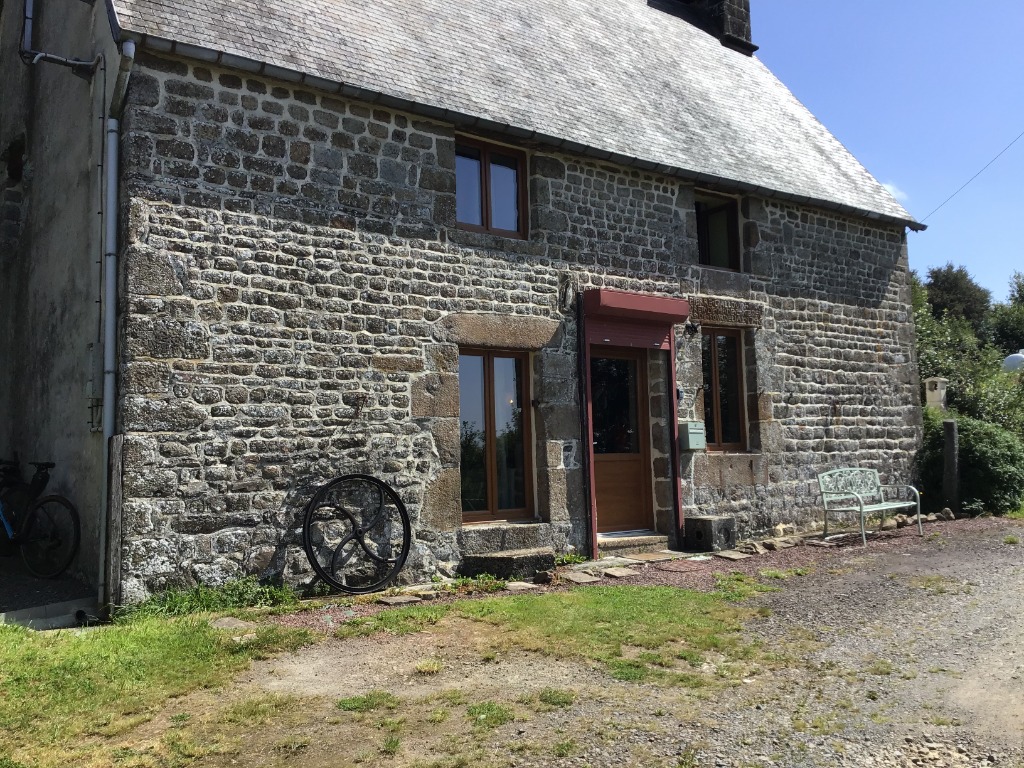
La Petite Chouette
Manche
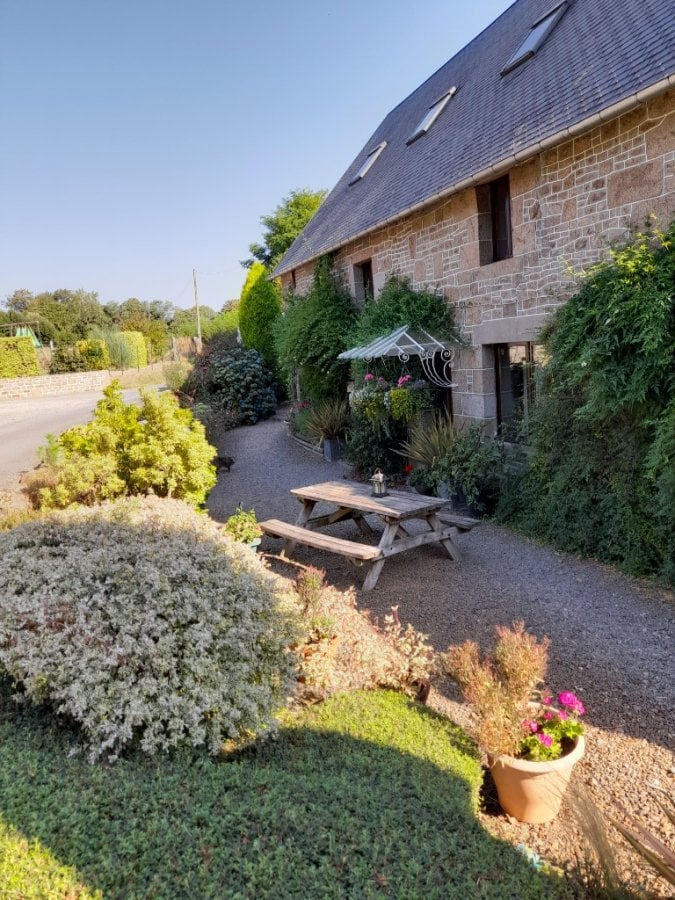
The Nuthatch
Calvados
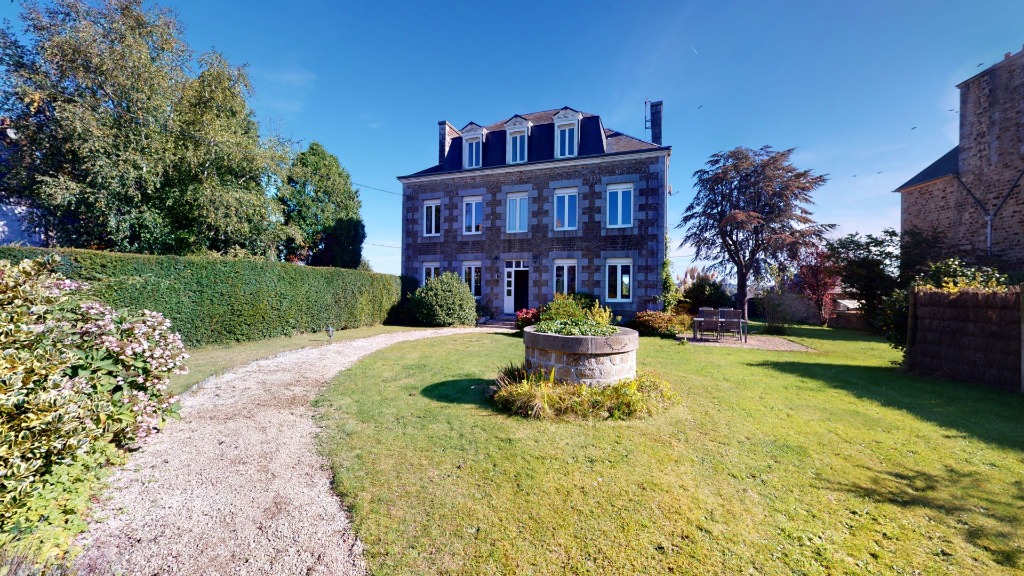
Maison Bear
Calvados
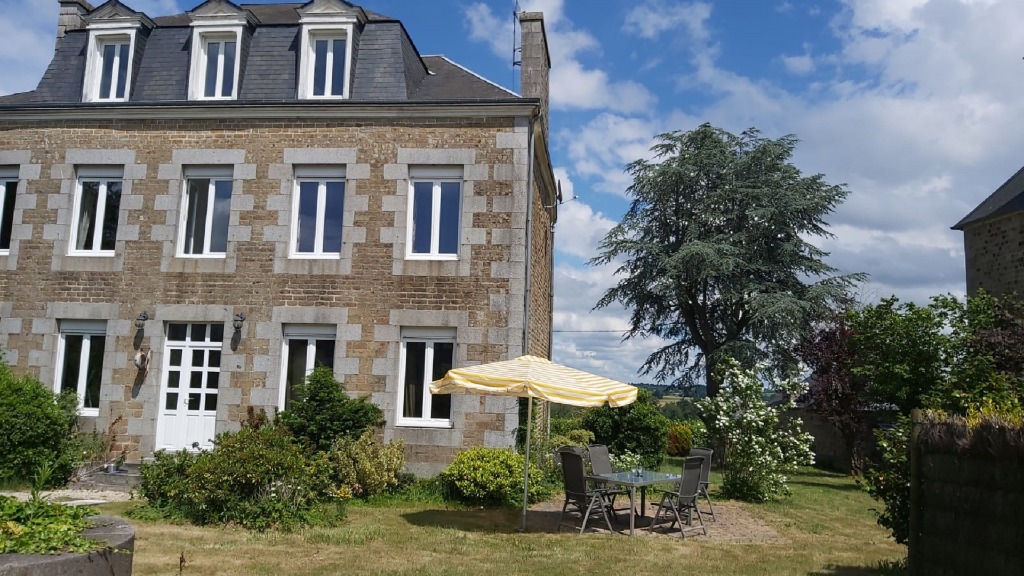
Chez Bear
Calvados
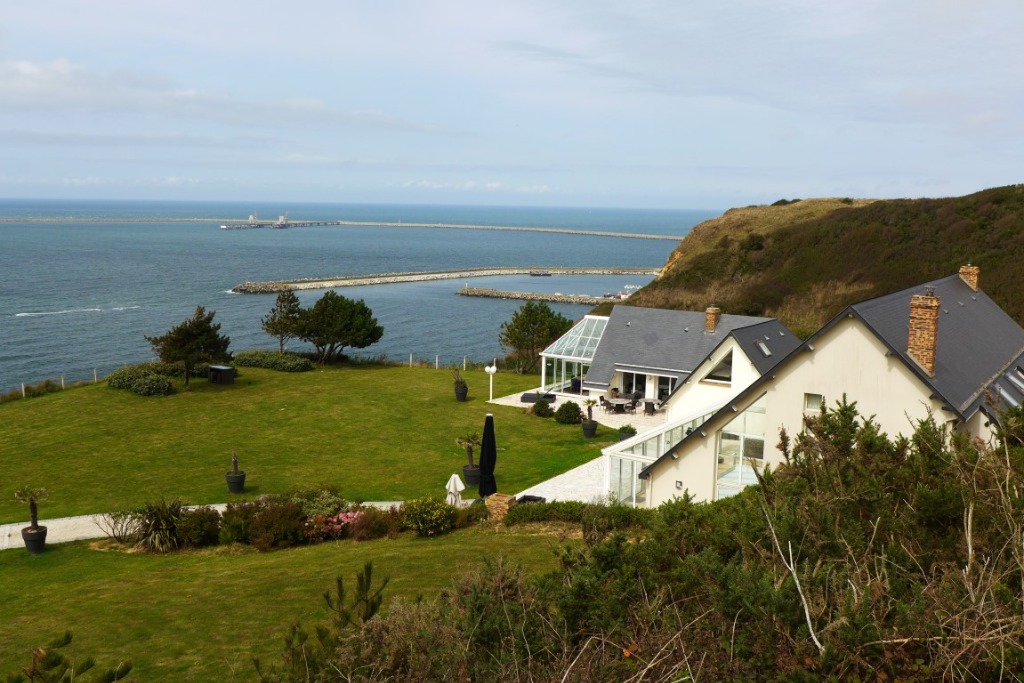
Seacliffhouse Normandy
Seine-Maritime
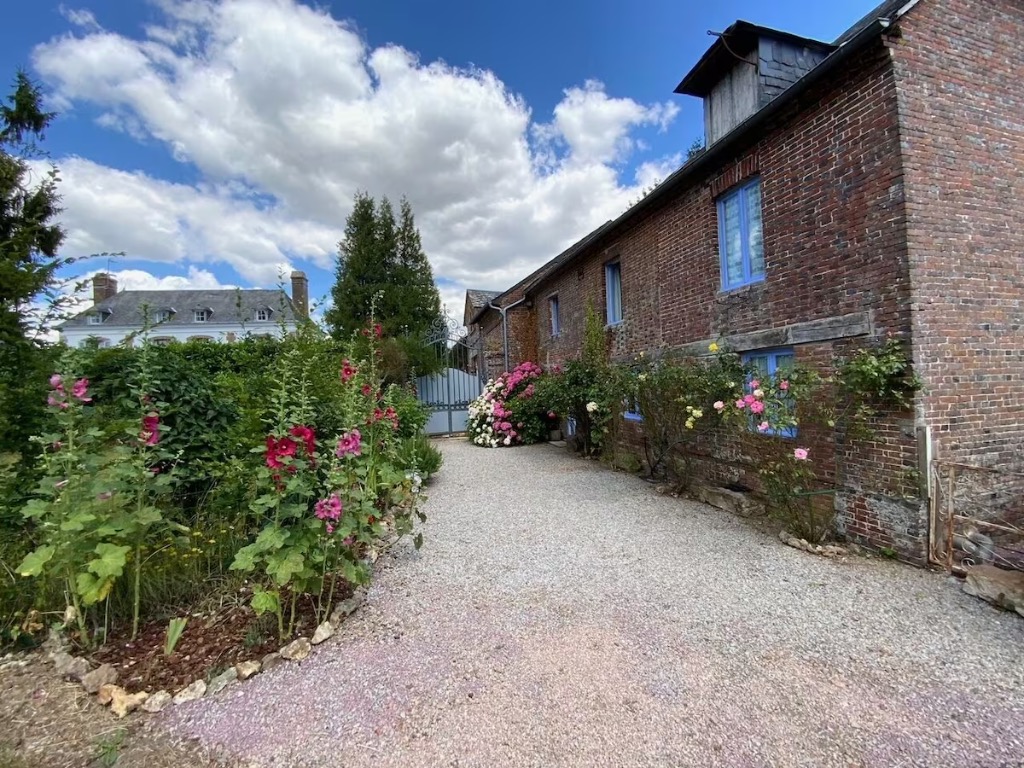
The Coach House
Orne
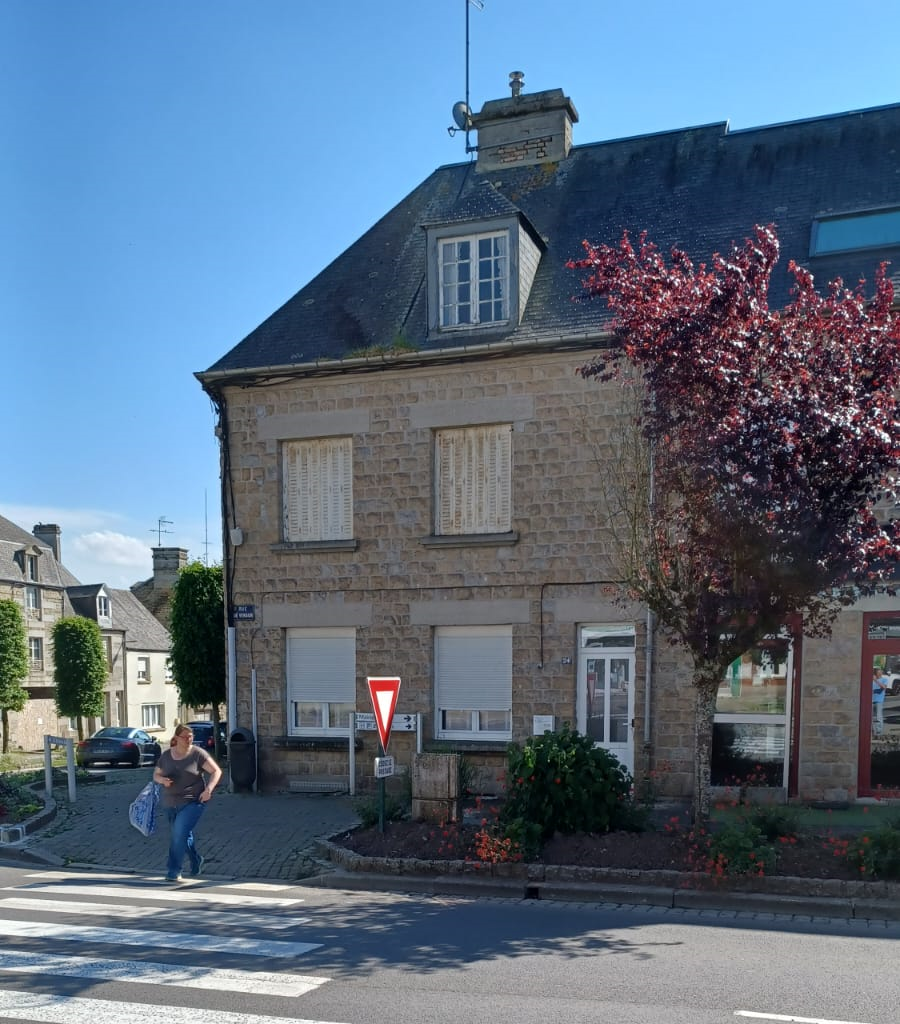
The Courtyard Garden - Accessible Gite in Sourdeval
Sourdeval
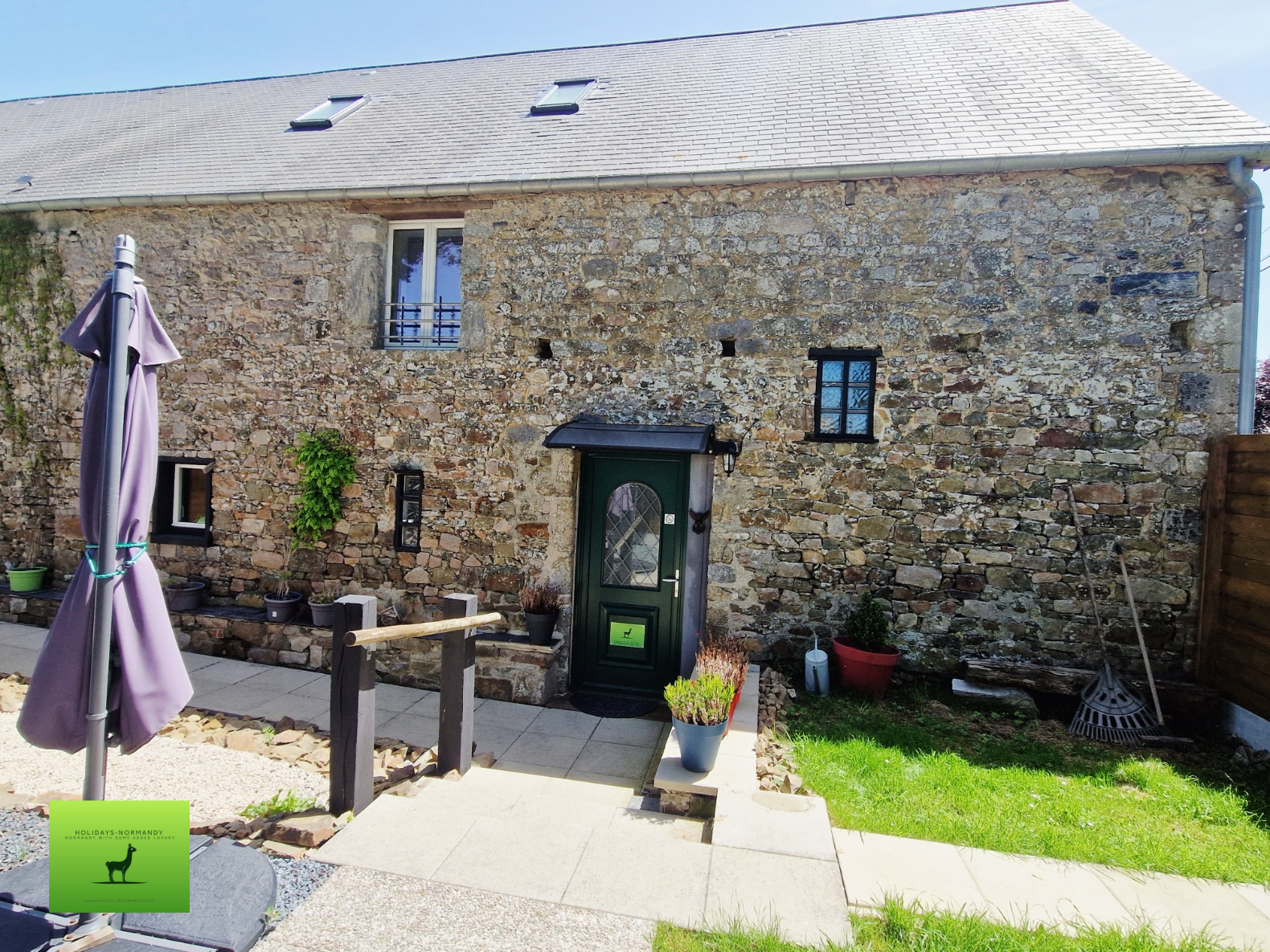
Ursula Gîte – Family & Dog-Friendly Gîte with Private Hot Tub near Coutances
Manche
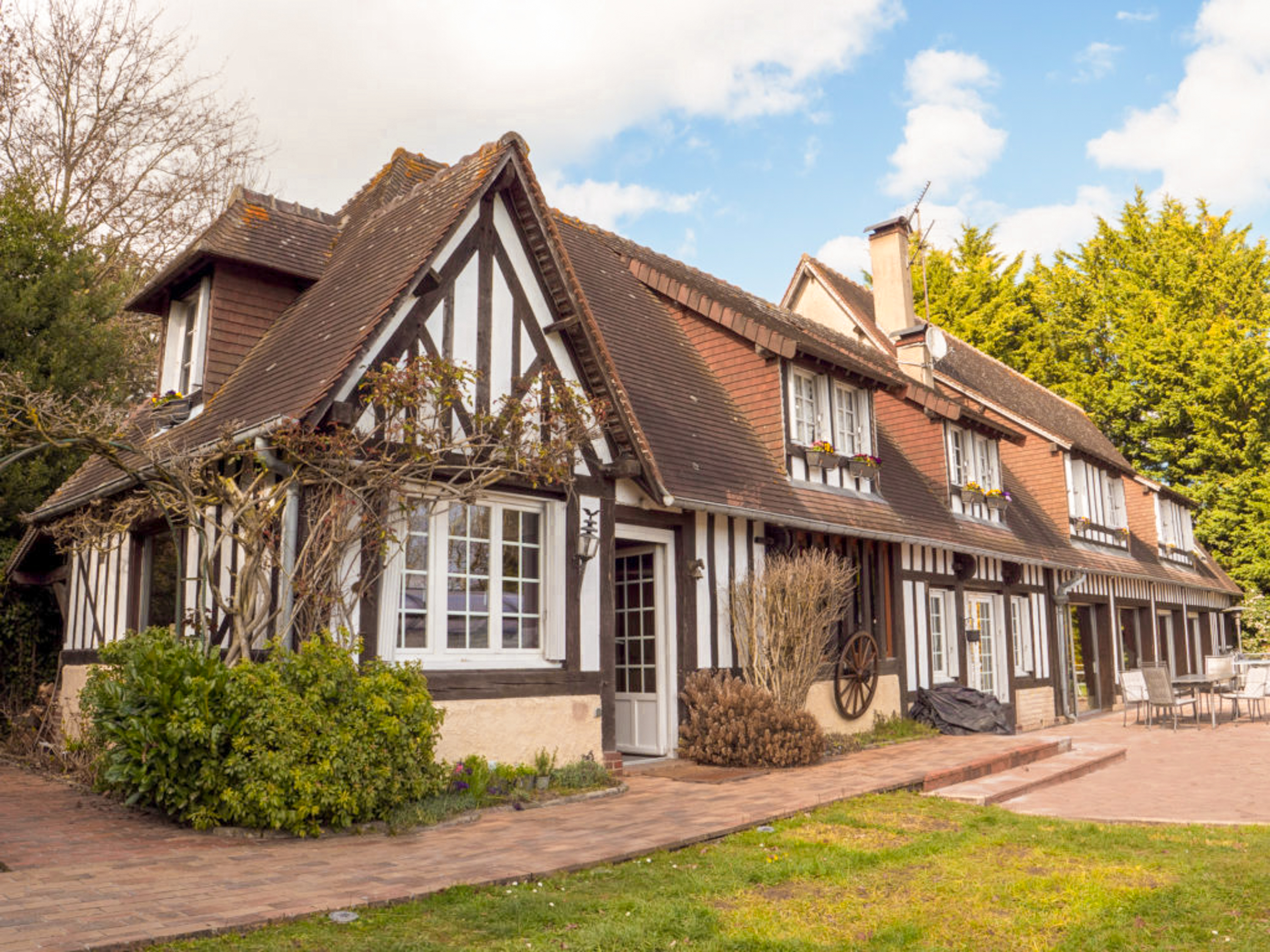
Le Domaine aux Lions – Normandy house with heated pool and tennis court
Calvados
About Normandy
Normandy is a working region rather than a polished resort zone. You'll see cattle in the fields, cider presses behind farmhouses, and market squares that serve local shoppers rather than tour groups. The coastline stretches from the cliffs near Étretat in the east to the beaches of the Cotentin Peninsula in the west, with seaside towns like Cabourg and Deauville offering Belle Époque architecture and long promenades.
The D-Day beaches along the Calvados coast draw visitors year-round, and the museums here—particularly the Mémorial de Caen and the D-Day Museum—provide context that goes beyond the landing sites themselves. Inland, you'll find medieval towns, abbeys, and castles that predate the war by centuries. Caen, the regional capital, was heavily rebuilt after 1944 but retains its Norman fortifications and Romanesque abbeys.
Staying in a gîte here means you can shop at weekly markets, cook with local produce, and move between coast and countryside without the constraints of a package itinerary. The rhythm is slower than Paris, and the distances are manageable—most attractions lie within an hour's drive of the major ferry ports.
Things to do in Normandy
The Mémorial de Caen is a substantial history museum that covers the Second World War, the Cold War, and the lead-up to D-Day, with film archives and personal testimonies that require at least half a day. The D-Day Museum offers a more focused account of the landings themselves, with maps, equipment, and detailed timelines. For a visceral sense of the Atlantic Wall defences, Le Grand Bunker in Ouistreham is a five-storey German command post preserved as it was, complete with narrow staircases and observation slits.
Caen Castle is one of the largest medieval fortresses in Europe, built by William the Conqueror in the 11th century, and you can walk the ramparts and visit the museums housed within its walls. The Abbaye-aux-Hommes, also founded by William, remains an active site and a fine example of Norman Romanesque architecture. Further east, the Basilica of Saint Thérèse of Lisieux is a 20th-century pilgrimage church with Byzantine-influenced mosaics and a vast dome. For a break from history, the Zoo de Cerza is a well-regarded wildlife park where animals roam in large enclosures across wooded parkland, and Parc Festyland is a family amusement park with rides and themed areas. The Plage de Cabourg is a wide sandy beach with a promenade and Belle Époque villas, popular with families in summer.
Typical climate
Typical weather
Monthly averagesOn the map
Food & drink
Normandy is dairy country, and the cheeses—Camembert, Pont-l'Évêque, Livarot—are sold at every market, often by the farmers who make them. Cider and Calvados (apple brandy) are the regional drinks, and you'll find both at farm-gate prices if you drive through the Pays d'Auge. Cream and butter appear in most sauces, and seafood is plentiful along the coast: oysters from Isigny, mussels, scallops, and sole.
Weekly markets are the best place to stock your gîte. Caen's Friday market on Place Saint-Sauveur is one of the largest, with stalls selling vegetables, charcuterie, and prepared dishes. Deauville and Honfleur have smaller markets with a tourist edge but good produce nonetheless. If you're cooking at home, the hypermarkets are well stocked, but the quality of meat, cheese, and bread improves significantly when you buy direct from market vendors or local boulangeries.
Getting there
The Brittany Ferries service from Portsmouth to Ouistreham lands you 27 kilometres from the centre of Normandy's attractions, and the drive from the port into Caen or along the coast is straightforward. Le Havre, 34 kilometres away, is another ferry option. If you're travelling via Eurostar, Paris Gare du Nord is 176 kilometres south, and the drive or onward train to Caen takes around two hours. Paris Orly, at 182 kilometres, is convenient if you're flying in, though you'll want a hire car to make the most of the region.
Driving from Calais takes around three hours to reach central Normandy, and the autoroutes are direct. Once you're based in a gîte, most coastal and inland attractions lie within 30 to 60 minutes by car.
Ready to find your gîte in Normandy?
9 self-catering rentals handpicked from independent owners.