Wakacyjne wędrówki po regionie Dordogne we Francji
Polecane domy wakacyjne — Aquitaine
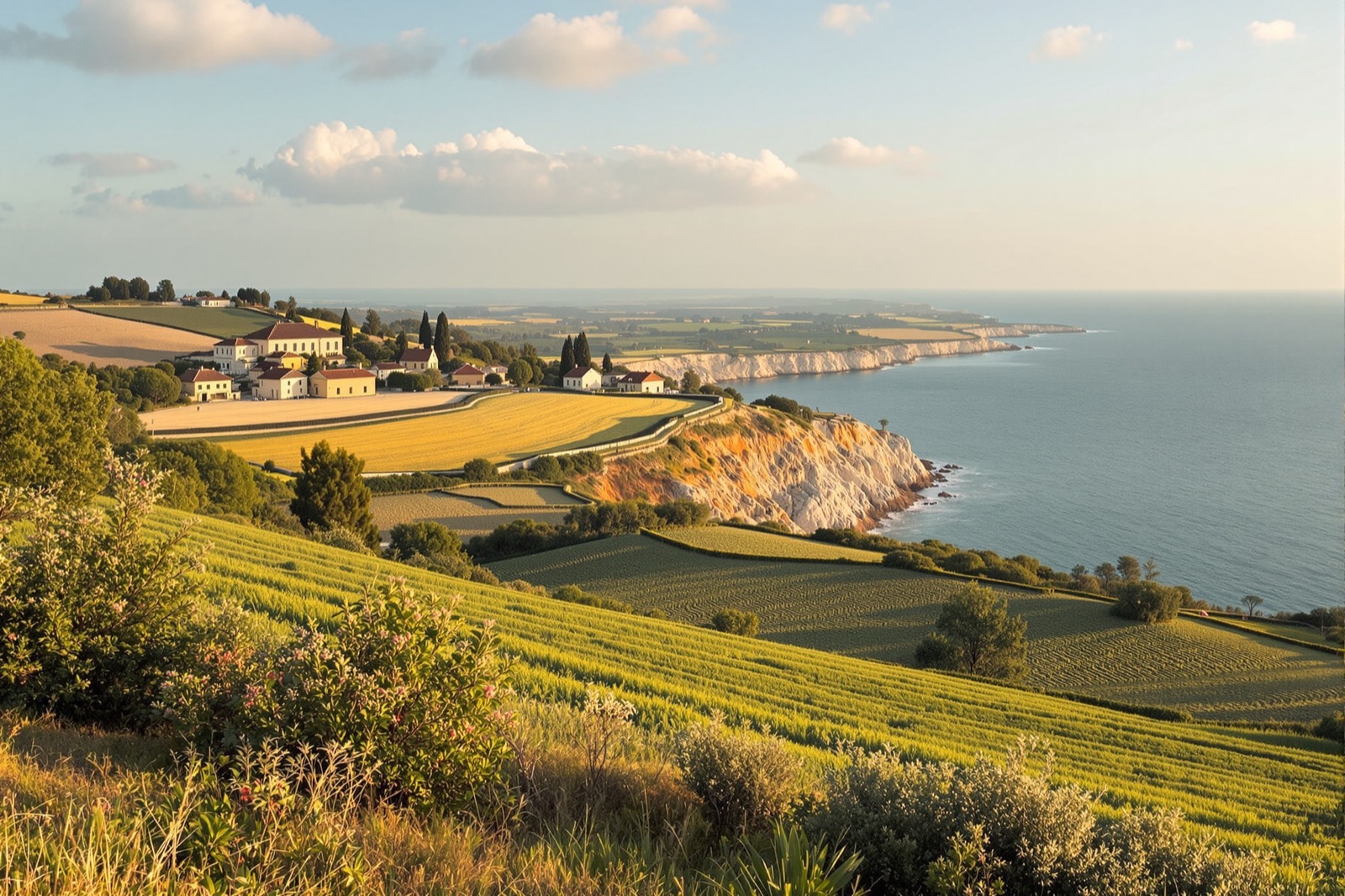
The Dordogne region beckons walkers with its tapestry of golden limestone cliffs, meandering rivers, and ancient forests where truffles grow in the shadows of oak trees. This corner of southwestern France offers some of Europe's most rewarding walking terrain, where every bend in the path reveals another château perched dramatically above the valley floor, or a honey-coloured village that seems untouched by time.
What makes the Dordogne exceptional for walking holidays is its remarkable diversity of landscapes packed into a relatively compact area. In a single day, you might traverse prehistoric caves near Les Eyzies-de-Tayac, climb through walnut groves above Sarlat-la-Canéda, and end beside the Dordogne River as it curves past the fairy-tale towers of Château de Beynac. The region's elevation changes are gentle enough for families yet varied enough to keep experienced hikers engaged.
The walking here engages all your senses. Morning mist rises from the Vézère Valley, carrying the earthy scent of damp limestone and wild herbs. Your footsteps echo differently on medieval cobblestones versus forest paths carpeted with chestnuts. In market towns like Domme or Monpazier, the aroma of fresh croissants mingles with wood smoke from early-rising bakers, while evening walks reward you with golden hour light that transforms ordinary farmhouses into something magical.
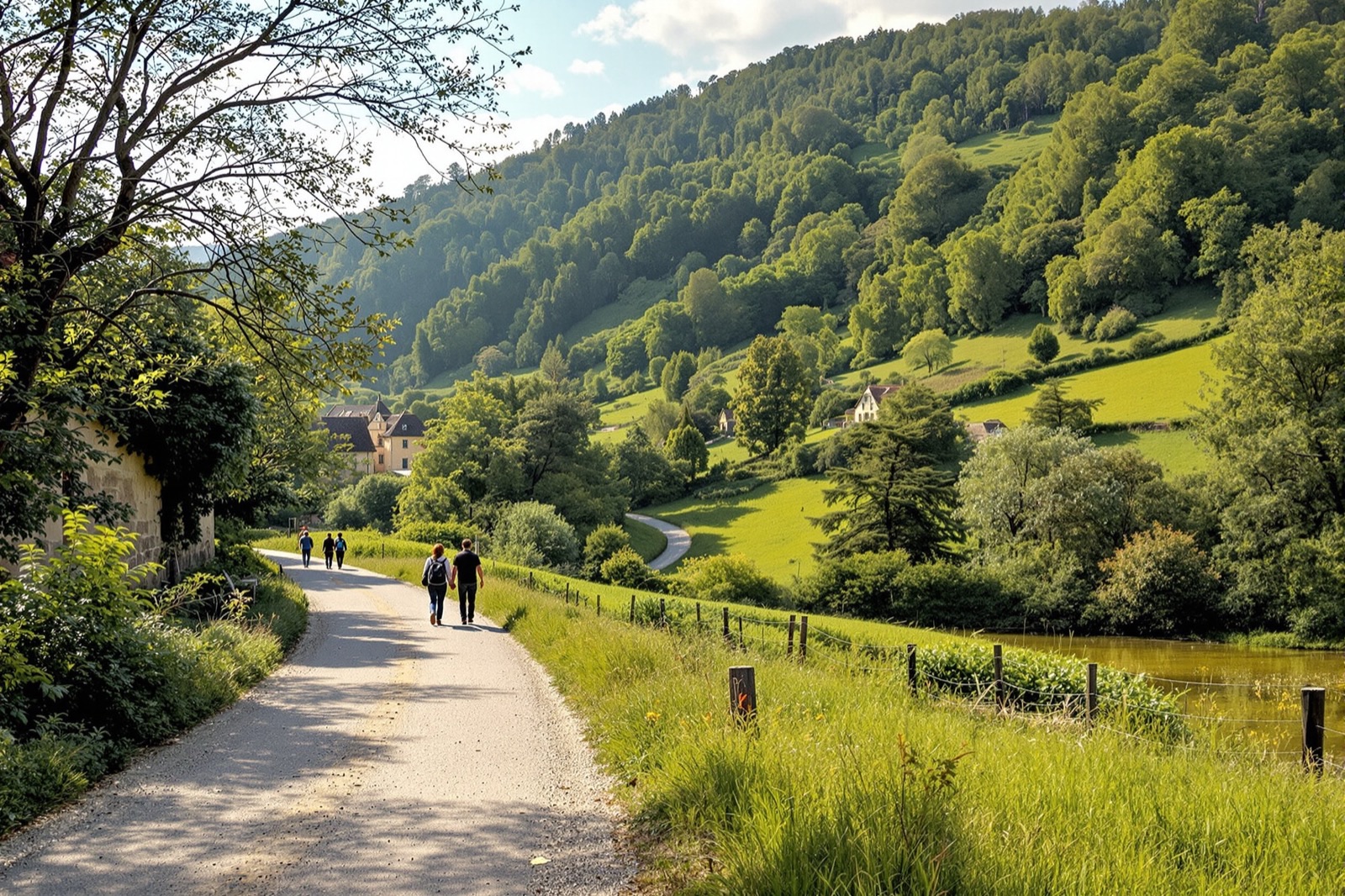
French walking trails follow the Grande Randonnée (GR) system, with routes clearly marked by red and white blazes painted on trees, rocks, and posts. The GR6 traverses the entire region, but don't overlook the shorter Petites Randonnées (PR) marked in yellow, which often reveal the most charming discoveries. Local tourist offices—found in every significant village—provide detailed maps and can suggest routes matching your fitness level and interests. Staff members are typically local enthusiasts who know which paths offer the best viewpoints and which villages have the most welcoming cafés for mid-walk refreshment.
For château enthusiasts, create your own castle-hopping itinerary connecting the region's medieval fortresses. A particularly rewarding route links Castelnaud-la-Chapelle with Beynac-et-Cazenac, following high ridges where English and French forces once faced each other across the river. The path offers sweeping views of the Dordogne Valley while passing through traditional farmland where Limousin cattle graze beneath walnut trees.
The Périgord Noir, centered around Sarlat, provides some of the most atmospheric walking. Here, dark oak forests give way to clearings where prehistoric humans once sheltered in limestone caves. The landscape feels ancient and mysterious, especially on misty mornings when you might encounter wild boar tracks in muddy hollows or hear the distant sound of hunting horns echoing through the valleys.
River valley walks offer a gentler alternative, following towpaths beside the Dordogne, Lot, or Vézère rivers. These flat, easy routes pass through fertile countryside where market gardens produce the tomatoes and melons that appear in local markets. Poplars line the waterways, their leaves rustling in afternoon breezes, while traditional gabares (wooden boats) occasionally drift past, their passengers glimpsing the same landscapes you're exploring on foot.
Timing your walks strategically enhances the experience immensely. Early morning departures mean cooler temperatures and better wildlife spotting—red squirrels in the forests, kingfishers along the rivers, and an astonishing variety of butterflies in meadowlands. Late afternoon walks capture the warm limestone in perfect light while positioning you perfectly for dinner in village restaurants where local specialties like confit de canard and potatoes cooked in goose fat await tired walkers.
Pack layers for Dordogne walking, as wooded valleys can be surprisingly cool even on warm days, while exposed ridges catch every breeze. Sturdy walking boots with good grip are essential—limestone can be slippery when wet, and some château approaches involve steep, uneven stone steps worn smooth by centuries of footfall. A daypack with water, snacks, and rain protection covers most situations, though longer routes might require more substantial preparation.
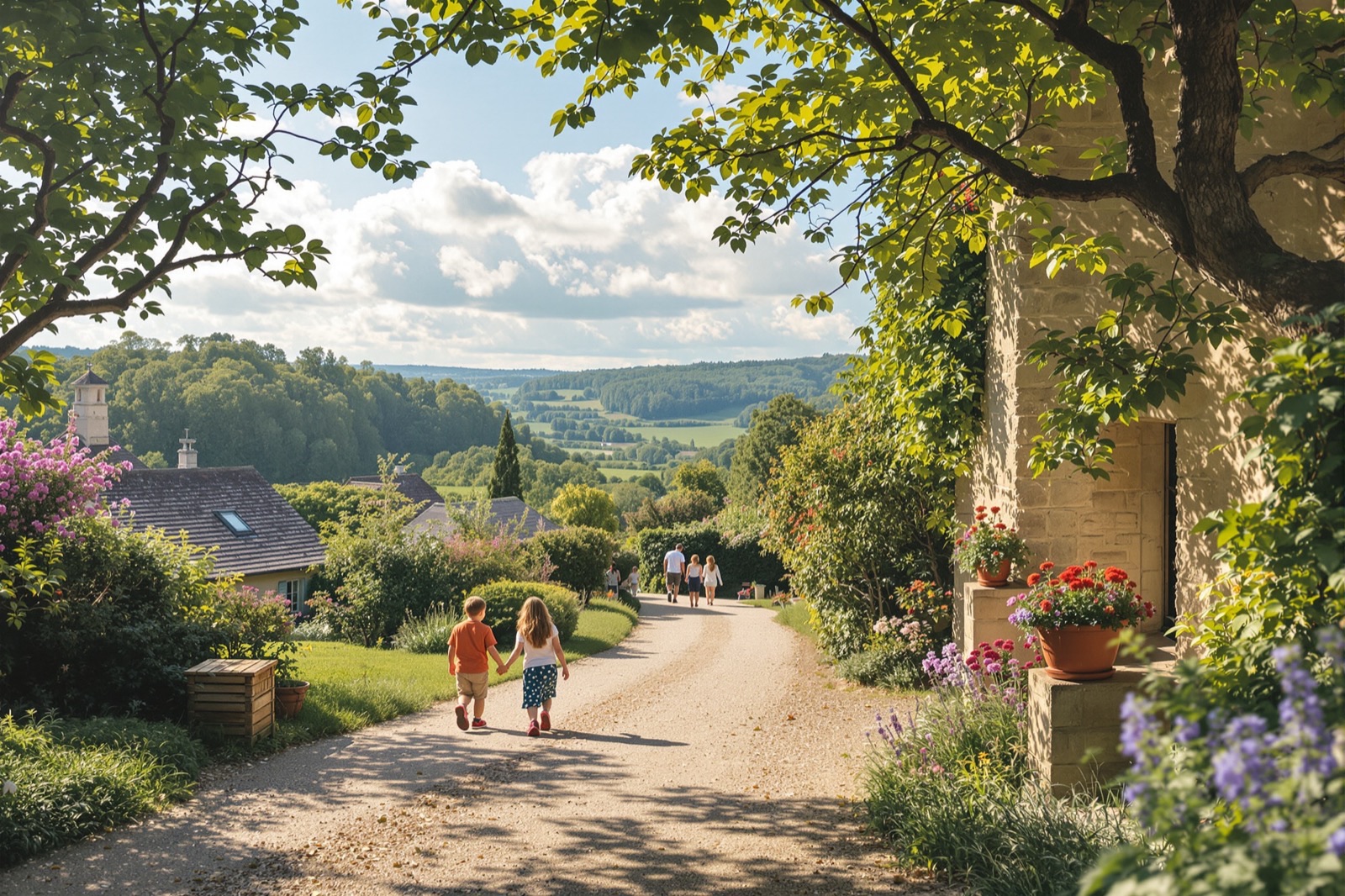
Many of the region's most memorable walks begin directly from your accommodation door, particularly if you're staying in smaller villages like Limeuil, Saint-Cirq-Lapopie, or La Roque-Gageac. These starting points eliminate driving concerns and let you discover intimate corners of the countryside that many visitors miss. Whether you choose challenging hill walks with panoramic rewards or gentle riverside rambles past ancient mills, the Dordogne's walking routes create lasting connections with one of France's most captivating landscapes.
The beauty of walking holidays here lies not just in the physical exercise, but in the gradual revelation of the region's character—the way morning light illuminates medieval stonework, how village church bells carry across valleys, and the satisfaction of earning each spectacular viewpoint through your own effort. Every step in the Dordogne writes another page in your personal French adventure.
Gotowy zaplanować swój wyjazd do Francji?
Przeglądaj nasze wyselekcjonowane domy i wille w całej Francji — rezerwuj bezpośrednio u właścicieli, bez opłat rezerwacyjnych.
Zobacz wszystkie domy — Aquitaine