Tips for Shopping at French Food Markets
Polecane domy wakacyjne we Francji
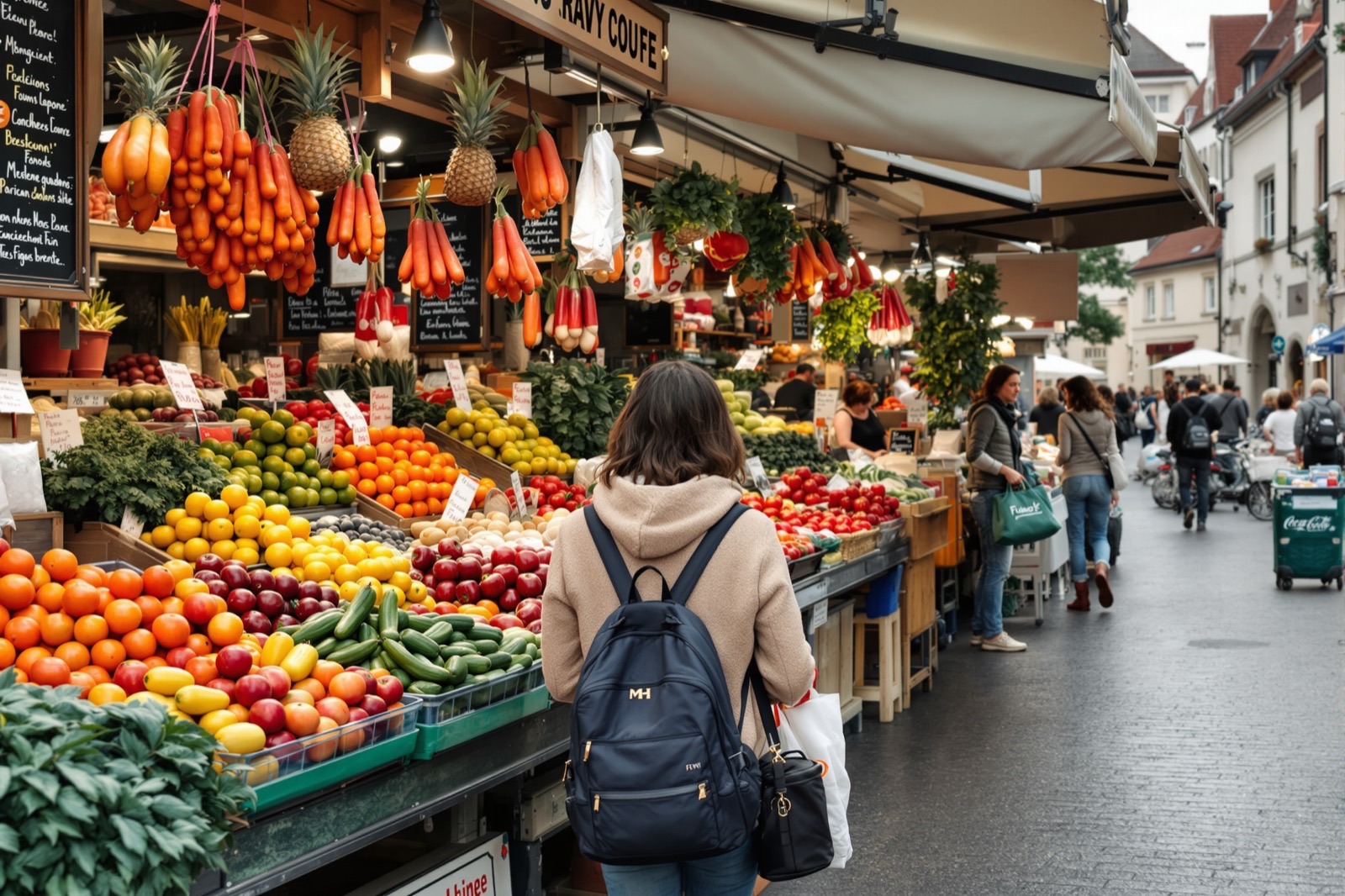
The morning air carries the intoxicating blend of fresh herbs, ripe tomatoes, and artisanal cheese as French market stalls spring to life across the country. From the grand Saturday market in Aix-en-Provence to the intimate Wednesday gathering in Carcassonne's medieval square, these vibrant food markets remain the beating heart of French culinary culture. For visitors staying in self-catering accommodation, they're your gateway to authentic regional flavours and the freshest ingredients at prices that'll make you wonder why you ever shopped elsewhere.
French markets operate on rhythms that have remained unchanged for centuries, and understanding these patterns will transform your shopping experience. The magic happens in those first precious hours after opening, typically between 7am and 9am, when stallholders arrange their finest produce with the pride of artists displaying masterpieces. The early morning crowd consists mainly of local chefs and discerning home cooks who know that the perfect peach or the most fragrant basil won't last beyond mid-morning. By noon, the choice cuts of fish have vanished, the ripest melons are memory, and you're left wondering what all the fuss was about.
Beyond securing the best produce, arriving early offers a more authentic experience. You'll witness the genuine camaraderie between vendors and their regular customers, overhear passionate discussions about the merits of different olive oils, and perhaps catch a heated debate about the proper way to select a Cavaillon melon. The morning light filtering through plane trees creates perfect conditions for judging the true colour of tomatoes and the freshness of leafy greens, while the cooler temperatures keep delicate items like fresh herbs and soft cheeses in peak condition.
The environmental consciousness that permeates modern French society extends firmly to market culture. Plastic bags, when available, are often tissue-thin affairs that surrender at the first sign of a pointy carrot or weighty bottle of local wine. A sturdy wicker basket or heavy-duty canvas tote isn't just practical—it signals to vendors that you're a serious shopper who respects market traditions. Many regular market-goers swear by the classic French string bag, or filet, which expands to accommodate surprising quantities while remaining compact when empty. These net bags also allow air circulation, keeping your purchases fresher during the journey home.
French markets remain refreshingly cash-oriented, though this varies by region and vendor size. Smaller producers, particularly elderly farmers selling their own vegetables or homemade preserves, often deal exclusively in cash. Even vendors who accept cards prefer cash transactions, which help them avoid fees and speed up service during busy periods. Come prepared with a selection of coins and smaller notes—breaking a fifty-euro note for a handful of radishes won't endear you to anyone, especially during the morning rush when cash reserves run low.
The French concept of "goûter" extends beautifully to market shopping, where sampling isn't just accepted—it's expected. Cheese vendors will slice generous portions of aged Comté or creamy Camembert, explaining the nuances of each variety as you taste. Olive sellers pour golden pools of their finest pressing onto crusty bread, while fruit vendors offer wedges of melon or segments of seasonal stone fruit. This isn't merely sales technique; it's an extension of French food culture that celebrates informed choices and quality appreciation. Don't hesitate to ask "Puis-je goûter?" (Can I taste?) when considering any purchase.
Market vendors represent generations of knowledge about their products, from the farmer who can tell you exactly when his courgettes were picked to the fishmonger who knows which boats brought in the freshest catch. Strike up conversations about preparation methods, storage tips, or regional specialities. A friendly exchange might reveal that those unusual purple carrots are perfect for a traditional Provençal gratin, or that the slightly wrinkled apples make exceptional tarte tatin. Many vendors love sharing family recipes or suggesting combinations you might never have considered.
Understanding market etiquette prevents embarrassment and ensures smooth transactions. Let vendors select your produce rather than handling items yourself—this isn't unfriendliness but practical hygiene and quality control. They know which items are ready to eat immediately and which need time to ripen. Watch for subtle cues: if a vendor is busy with another customer, wait patiently rather than calling out your order. Many markets have an unspoken queuing system that locals understand instinctively.
Regional markets each have their own personality and specialities. Mediterranean coastal markets overflow with sun-warmed tomatoes, fresh herbs that perfume the air, and fish so fresh their eyes still shine clear. Mountain markets in regions like Savoie feature robust root vegetables, artisanal sausages with complex spice blends, and raw-milk cheeses aged in high-altitude caves. Loire Valley markets celebrate river fish, early vegetables, and wines that capture the essence of their limestone terroir. Research your destination's market days and signature products to plan your culinary adventures effectively.
The sensory overload of a French market—the musical cadence of vendors calling their wares, the riot of colours from seasonal produce, the complex aromatics wafting from each stall—creates memories that outlast any restaurant meal. Armed with these insights, you'll navigate French markets with confidence, returning to your accommodation with bags full of exceptional ingredients and stories to tell. The simple act of preparing a meal with market-fresh ingredients connects you to centuries of French culinary tradition, transforming your holiday from mere tourism into genuine cultural immersion.
Gotowy zaplanować swój wyjazd do Francji?
Przeglądaj nasze wyselekcjonowane domy i wille w całej Francji — rezerwuj bezpośrednio u właścicieli, bez opłat rezerwacyjnych.
Zobacz wszystkie obiekty