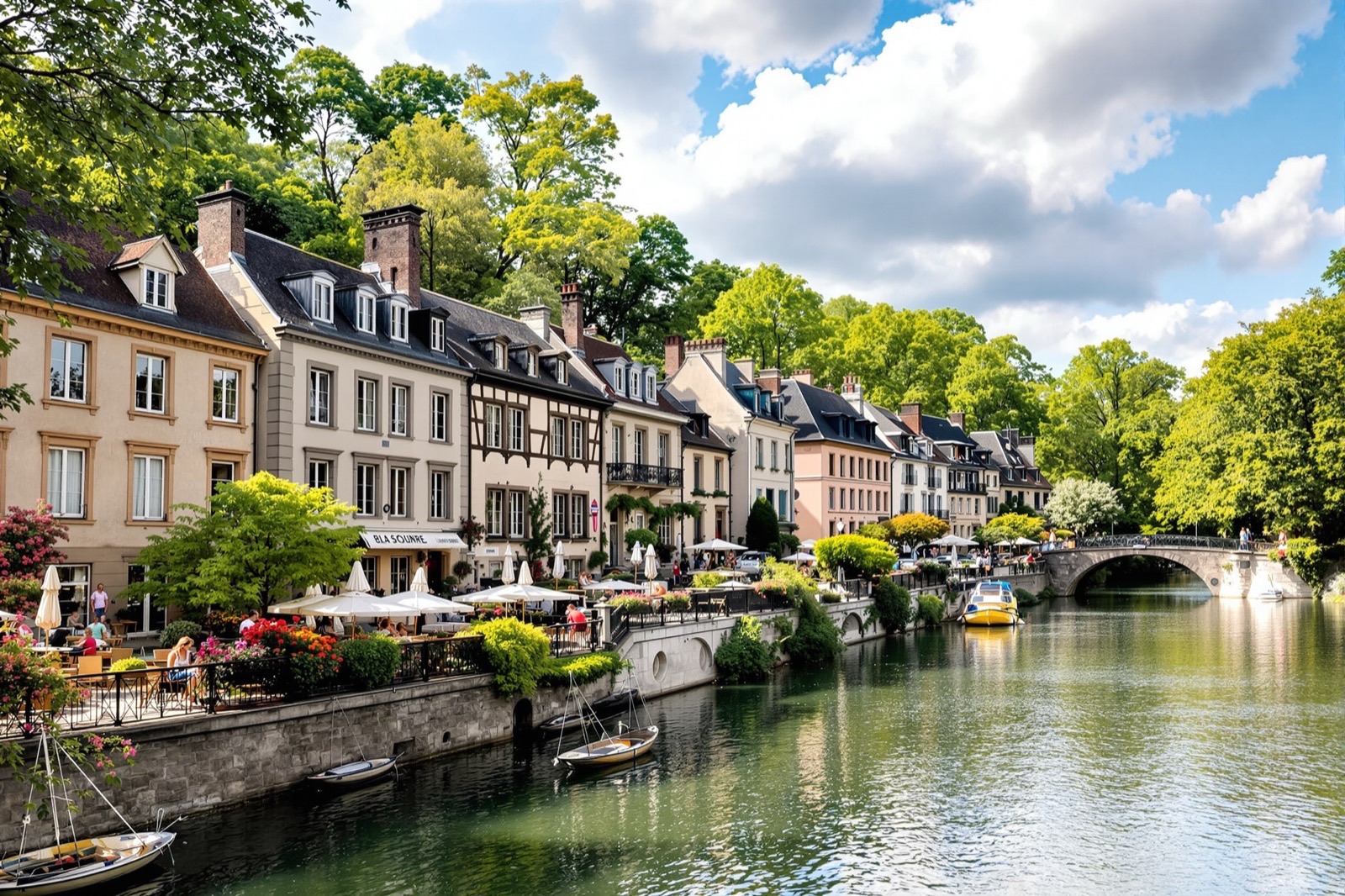
Fantastyczna Kuchnia Pięknego Regionu Lotaryngii
Polecane domy wakacyjne — France
Nestled in northeast France where Germanic influences meet Gallic traditions, Lorraine offers a distinctive culinary landscape that reflects its position at the crossroads of European culture. This fertile region, with its rolling farmland, crystalline rivers, and dense woodlands, produces ingredients that have shaped some of France's most beloved dishes. The morning mist that rises from the Moselle valleys carries the sweet scent of ripening fruit, while village bakeries fill the air with the buttery aroma of fresh pastries.
No discussion of Lorrainian cuisine begins anywhere but with quiche Lorraine. Walk into any traditional boulangerie in Nancy or Metz, and you'll find the real version: a silky custard base enriched with cream, studded with lardons of local smoked bacon, all nestled in pastry so buttery it practically melts on your tongue. Forget the cheese-laden versions found elsewhere – authentic quiche Lorraine contains no cheese whatsoever, allowing the smoky bacon and rich custard to sing in harmony. The best examples have a golden top with just the slightest wobble when fresh from the oven.
Venture into Commercy, and you'll discover where the delicate shell-shaped madeleines first emerged from convent kitchens centuries ago. These small sponge cakes, with their distinctive ridged backs and tender crumb, remain a source of regional pride. Local patissiers guard their recipes carefully, creating madeleines that are simultaneously light and rich, with a hint of lemon zest and the unmistakable flavour of real butter. The texture should be so fine it almost dissolves on your tongue, leaving behind a subtle sweetness that pairs beautifully with afternoon tea.
The region's charcuterie tradition runs deep, evident in every market from Épinal to Verdun. Local butchers craft extraordinary saucisses that reflect both French technique and Germanic influence. The andouille de Nancy, a tripe sausage with an intense, earthy flavour, might challenge timid palates, but rewards the adventurous with its complex taste. Milder options include the boudin blanc, a delicate white sausage made with pork, milk, and eggs that practically melts when cooked properly. These appear on market stalls alongside terrines fragrant with herbs from local gardens and pâtés that speak of centuries-old recipes.
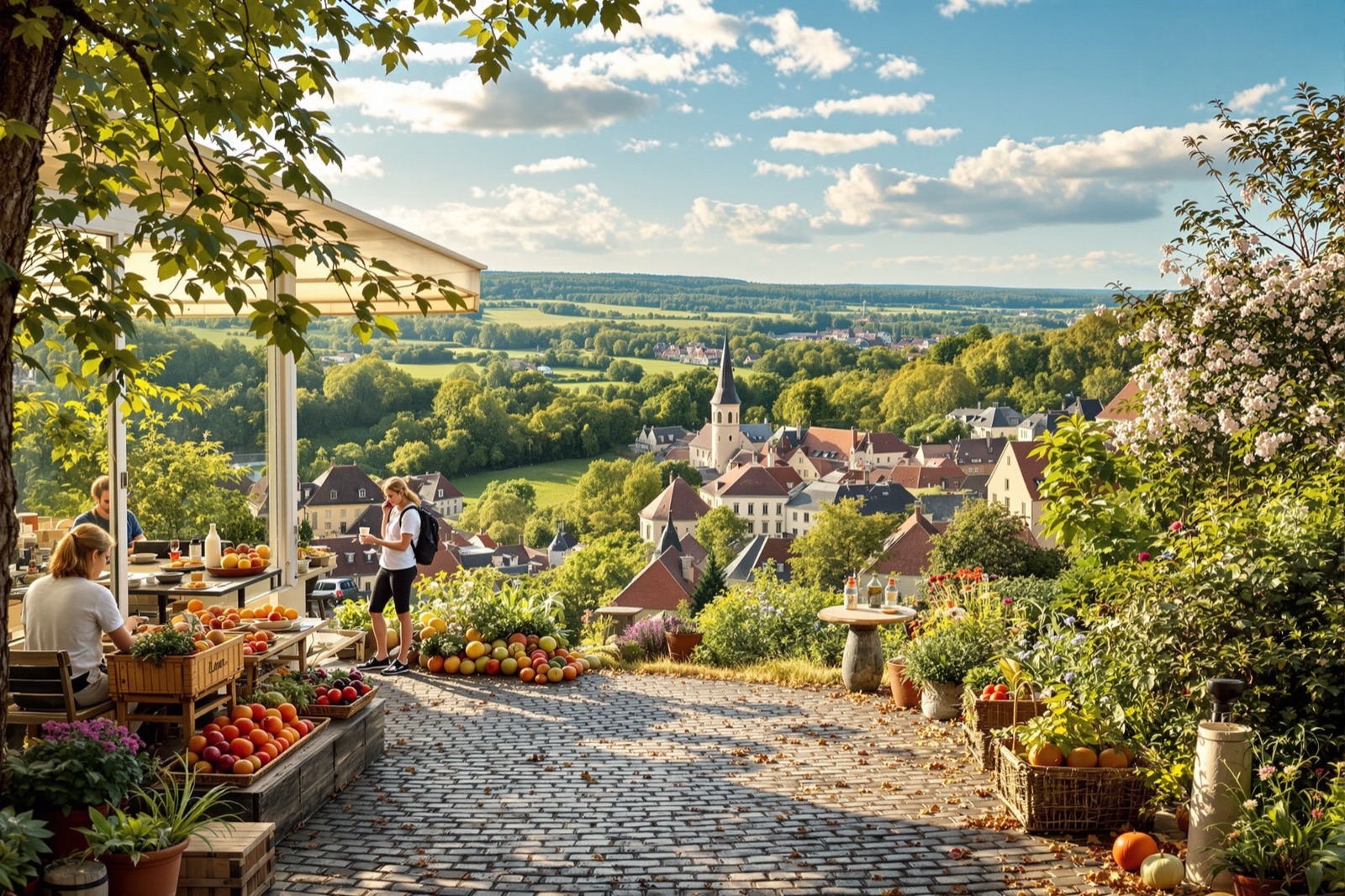
Lorraine's geographical position has blessed it with exceptional produce. The Mirabelle plums that ripen here each autumn are small golden orbs of concentrated sweetness, their flesh so tender they bruise at a touch. Local producers transform them into everything from eau-de-vie to confiture, while restaurants feature them in tarts that capture the essence of late summer. Strawberries from the fertile plains around Woëvre arrive at markets with dirt still clinging to their leaves, their perfume so intense it draws crowds of eager buyers.
The region's approach to salads reflects its hearty character. A proper salade Lorraine combines bitter greens with warm lardons, their rendered fat creating a natural dressing when mixed with vinegar. Fresh parsley – grown abundantly in kitchen gardens throughout the region – adds brightness, while local cheese provides creamy richness. These aren't delicate arrangements but robust dishes that satisfy after a day exploring the countryside.
Parsley appears throughout Lorrainian cooking with remarkable frequency, far beyond its use as mere garnish. Cooks here understand its ability to brighten rich dishes, and you'll find it stirring through potato preparations, mixed into meat preparations, and forming the base for vibrant sauces that cut through the region's more indulgent offerings.
Wine enthusiasts shouldn't overlook the Côtes de Toul, produced in vineyards that have survived since Roman times. These wines – primarily light reds and rosés – offer fresh, mineral-driven flavours that complement local cuisine beautifully. The gris de Toul, a pale rosé with subtle fruit flavours, proves particularly food-friendly. Small producers around Bruley and Lucey welcome visitors to cellars carved into hillsides, where tastings reveal wines that capture the limestone-rich terroir.
Beer culture remains strong here, though the massive breweries that once dominated have largely disappeared. What remains is a appreciation for well-crafted beer that pairs naturally with local charcuterie and cheese. Small brewers are reviving traditional recipes, creating beers that reflect local ingredients and traditional techniques.
Markets throughout the region provide the best introduction to these culinary traditions. In Toul's Saturday market, vendors arrange their offerings with obvious pride: wheels of Munster cheese that announce themselves from several stalls away, baskets of vegetables still wearing morning dew, and bread that crackles when you squeeze the crust. The conversations between sellers and buyers reveal deep knowledge about seasons, preparations, and the stories behind each product.
The thermal springs that produce Vittel and Contrexéville waters have made this region synonymous with pure, mineral-rich water throughout France. These springs, emerging from deep aquifers beneath the Vosges Mountains, produce water so clean and mineral-balanced that it enhances rather than competes with food flavours.
For food lovers, Lorraine offers an authentic taste of French regional cooking without pretension or artifice. Here, tradition matters not as museum piece but as living practice, where recipes passed down through generations continue to evolve while maintaining their essential character. The region rewards those who seek flavours rooted in place, season, and the timeless rhythm of agricultural life.
Gotowy zaplanować swój wyjazd do Francji?
Przeglądaj nasze wyselekcjonowane domy i wille w całej Francji — rezerwuj bezpośrednio u właścicieli, bez opłat rezerwacyjnych.
Zobacz wszystkie domy — France